
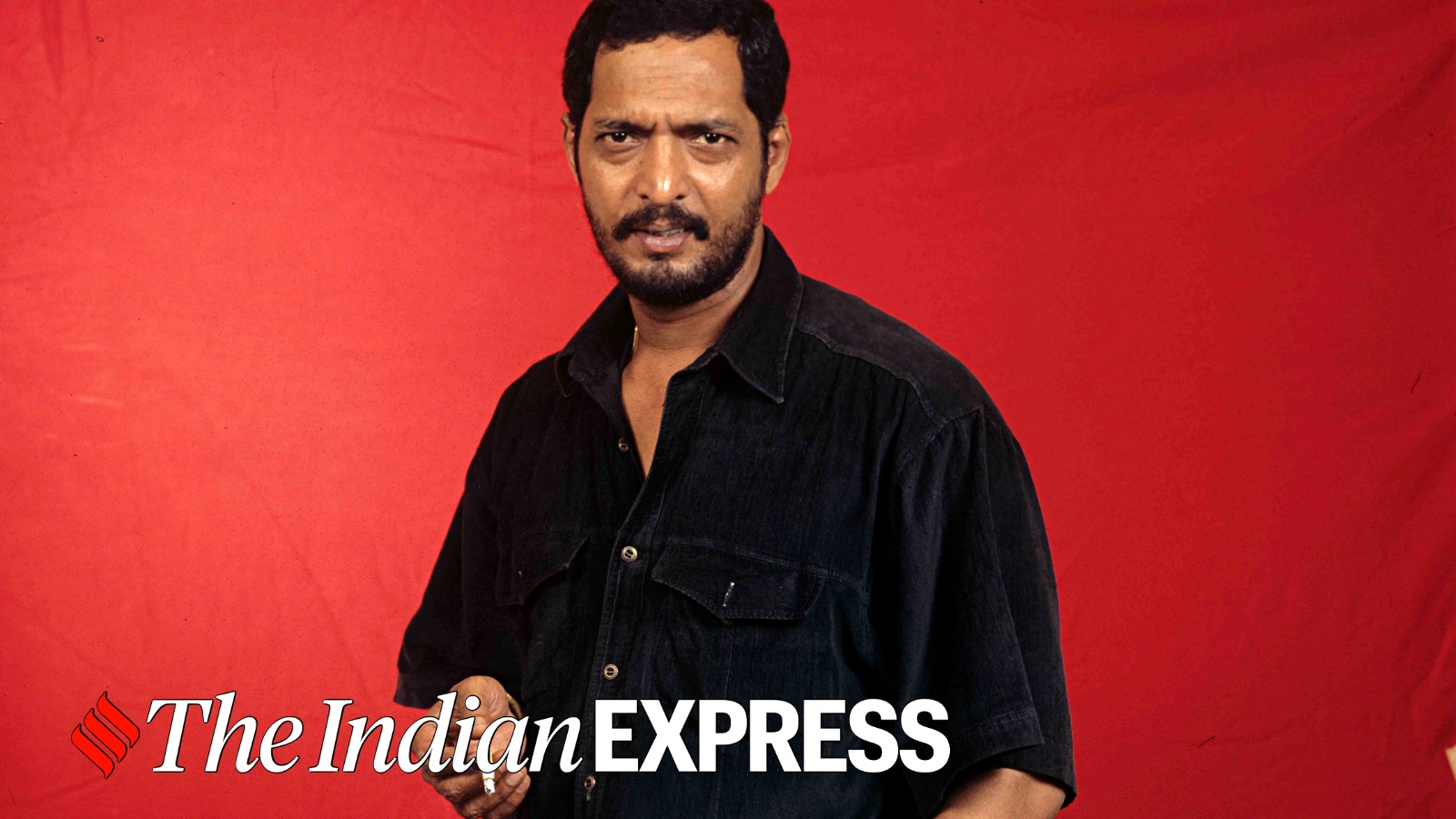
Veteran actor Nana Patekar died of a cardiac arrest earlier this morning. As cinephiles across the world grieve the loss, a deeper sense of helplessness is being felt by those who attended to him in his final moments.
“Maybe we could have saved him… but he did not give us a chance,” Dr Shekhar Salkar, Senior Consultant and Chief of the Oncology Department at Manipal Hospital, Goa, tells indianexpress.com in a sombre voice.
As Dr Salkar reveals, the Padma Shri actor texted a friend around 2.30 am, saying he was not feeling well. What happened in the hours that followed has left the doctor wondering whether reaching the hospital sooner could have given the medical team a chance to intervene.
DISCLAIMER: This article is based on information from the public domain and/or the experts we spoke to.
‘He never came out of it’
According to Dr Salkar, the hospital received a call from Patekar’s caretaker at around 4.18 am. The emergency team immediately went to him and found him in a critical condition.
“(Caretaker) came personally to our emergency room at around 4.18 am and told us that he (Nana Patekar) is not well, so our full ER team went with him,” the oncologist recalls. “…when they went there, he was almost dead.”
The team began resuscitation immediately, as per the medical protocol. CPR and other necessary measures were carried out “continuously” while Patekar was being shifted to the hospital. Once he reached the hospital, doctors continued the resuscitation efforts according to protocol.
Story continues below this ad
But there was no response. “He never came out of it; not even once did he show any sign of recovery.”
“He was continuously on our systole, so throughout he was in cardiac arrest condition,” Dr Salkar further added. The Welcome actor was eventually declared dead at 5.20 am.
 “He had 100s of friends here in Goa” (Image: Express Archive)
The timing is particularly difficult for Dr Salkar because, had the actor been brought to the hospital earlier, the team “might have had an opportunity” to potentially save him.
“The first hour is very important; we call it a golden hour. Maybe if he had reached here at 2:30 a.m. somehow, then maybe we could have done so much for him,” he says.
Story continues below this ad
Dr Salkar explains that one possibility would have been to take Patekar immediately to the cath lab, where doctors could have looked for a blockage in one of the major arteries supplying the heart. If doctors had found a significant blockage, they could have placed a stent. The 90-minute delay delayed medical attention, he said, adding that the actor was given CPR for an hour.
During medical emergencies, even microseconds can mean the difference between life and death. In Nana Patekar’s case, something similar happened.
“Wish he had called, instead of sending a sms,” Dr Salkar regrettably points out, reiterating the importance of reaching the hospital within an hour of symptoms.
‘Everyone should know it’
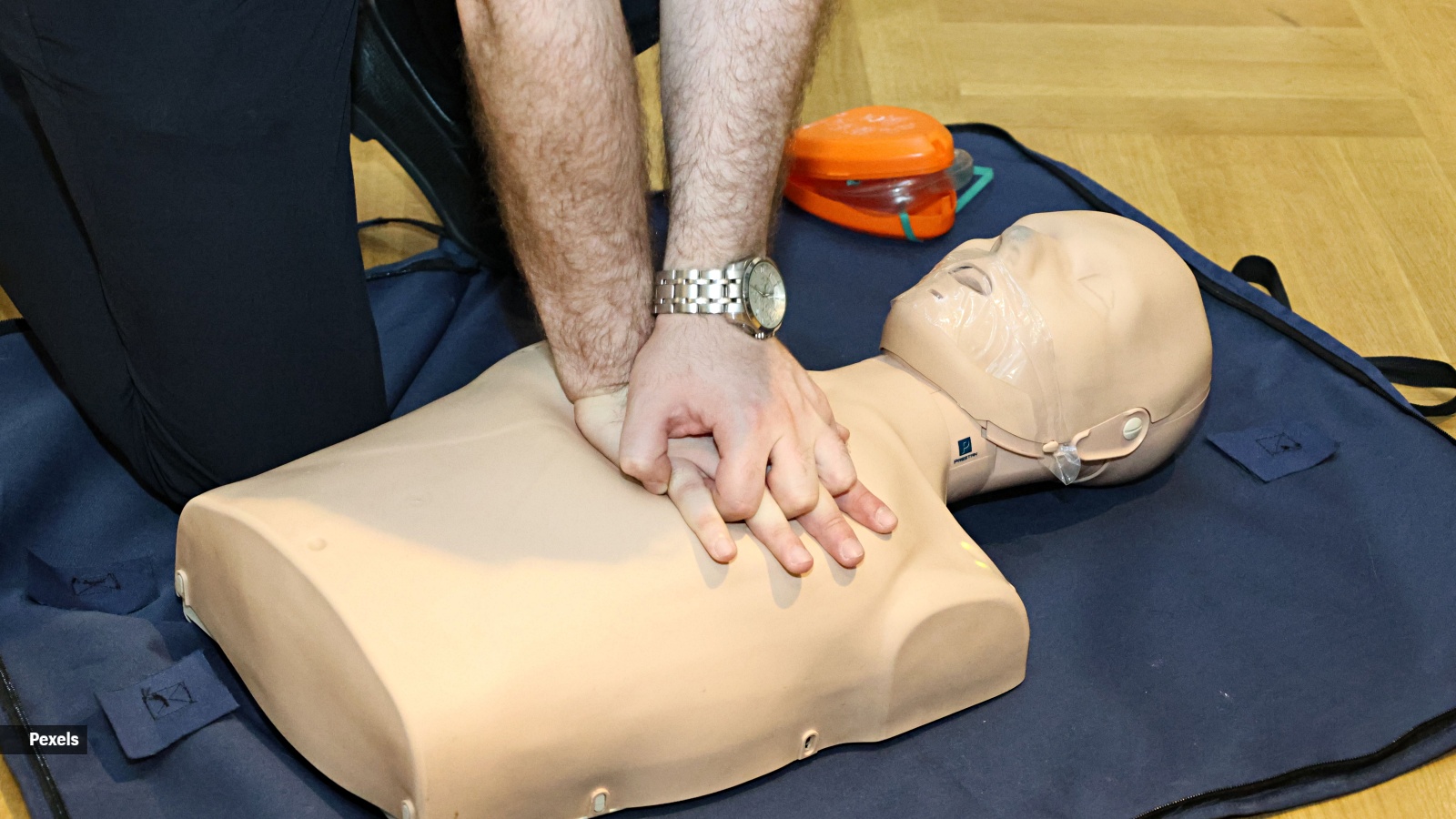 “Just pump the heart, and automatically when you release that, air goes inside,” Dr Salkar advises
Dr Salkar adds that CPR is not as complicated as many think and should not be limited to medical professionals.
Story continues below this ad
He suggests doing ‘chest compressions’ on the left side and keeping the head in a ‘little bit lower’ position. “You don’t even need to do the standard mouth-to-mouth respiration – you just pump the heart, and automatically when you release that, air goes inside.”
He adds that caretakers, family members, and ideally members of the general public should know what to do while emergency medical help is on the way.
“It should be made a compulsion that all caretakers should know how to give simple CPR. In fact, everybody should know because you never know whom you can save. And it is a very simple method as well; not a complicated procedure.”
‘It is destiny’
But he is equally clear that an earlier arrival would not necessarily have guaranteed survival.
Story continues below this ad
“Finally, it is destiny; these are ifs and buts. Even if he had come here, maybe in spite of doing everything, we could not have been saved, but at least that we could have done something,” he says.
DISCLAIMER: This article is based on information from the public domain and/or the experts we spoke to. Always consult your health practitioner before starting any routine.

Leave a Reply