
5 min readNew DelhiSep 2, 2026 11:00 AM IST
H1N1 influenza cases are rising sharply in Delhi, with numbers jumping to several times last year’s. Dr Saptarshi Ghosh, consultant clinical oncologist, FRCR Clinical Oncology (UK), MRCP Medical Oncology (SCE UK), FUICC, says that the rise is mainly “because of seasonal change and the strain is a familiar non-virulent one. As such, there is no reason to panic about the rise of the H1N1 influenza cases.” He adds, “Most of these cases are self-limiting, and hence the misuse of antibiotics like Azithromycin & Cefixime may unnecessarily result in antimicrobial resistance.”
But are certain people, like those with diabetes, at a higher risk?
Dr Seema Dhir, unit head and Sr. consultant, internal medicine, Artemis Hospitals says, “Flu can be a bigger issue for people with diabetes as high or poorly controlled blood sugar can impair your body’s ability to fight infections. H1N1 can make blood sugar more difficult to manage because any illness can lead to a rise in stress hormones that can increase sugar levels. This leads to a vicious cycle where infection and high blood sugar can worsen each other.”
DISCLAIMER: This article is based on information from the public domain and/or the experts we spoke to. Always consult your health practitioner before starting any routine.’
Warning signs:
Dr Pankaj Khatana, Sr. Consultant, Internal Medicine, Marengo Asia Hospitals Gurugram, suggests the following symptoms to watch out for:
- Breathing trouble
- Chest pain
- Constant vomiting
- Severe weakness
- Confusion
- Unusual sleepiness
- Difficulty staying awake
He further mentions, “Very high and increasing blood sugar, especially when you have ketones in the urine or blood, is another warning sign. Dehydration symptoms such as very little urination, dry mouth and dizziness should not be ignored.”
What complications of H1N1 are diabetics more likely to develop
People with diabetes should not ignore early symptoms. Dr Diksha Goyal, consultant, internal medicine, Marengo Asia Hospitals, Gurugram says, “Diabetes can make it harder for the body to fight off infections, and an infection can make blood sugar harder to control. H1N1 can cause lung problems on its own or can make it easier for a bacterial infection to develop, which can lead to breathing difficulties and hospitalisation. Bronchitis, sinus infections, and the worsening of existing health problems can also occur.”
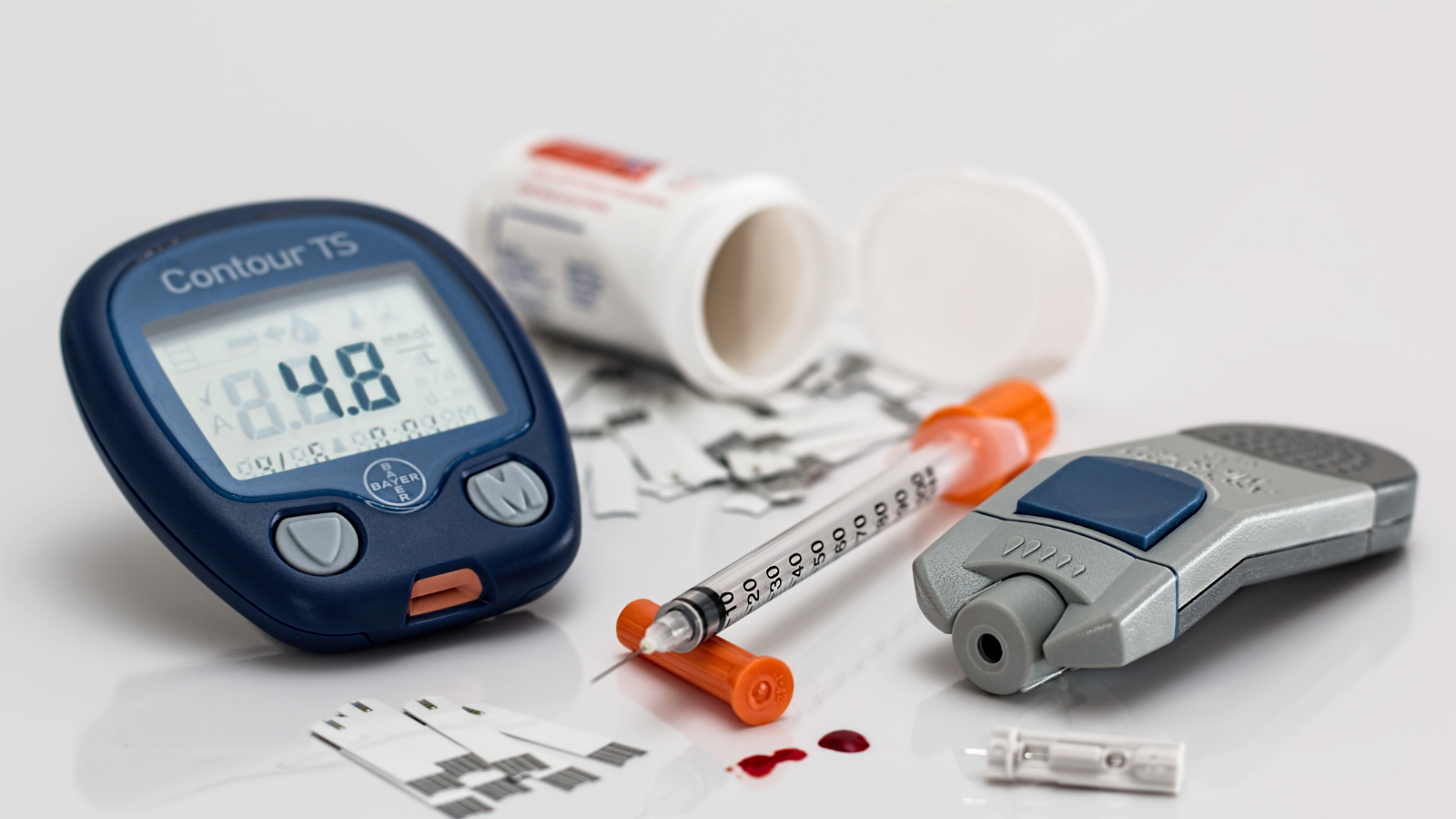 Treatment for flu in people with diabetes may include antiviral medicines. Doctors will often prescribe medicines such as oseltamivir depending on the medical history and condition of the patient. (Representational image)
Another big concern is unstable blood sugar. Dr Diksha says, “Fever, stress and infection can raise glucose levels, while a poor appetite, vomiting or reduced food intake can sometimes trigger dangerously low blood sugar. This variation can make managing diabetes more difficult when you are sick. In severe cases, influenza can cause sepsis, respiratory failure, kidney problems or other organ complications, but these are not specific to diabetes alone.”
Story continues below this ad
Early medical advice and early use of antiviral medication can reduce the risk of serious complications.
What are the medications and how important it is to start treatment early
Dr Pankaj says, “Treatment for flu in people with diabetes may include antiviral medicines. Doctors will often prescribe medicines such as oseltamivir depending on the medical history and condition of the patient. Antivirals work best when taken within the first 48 hours of symptoms but they can still help people at higher risk of complications, including people with diabetes if treatment is started later.”
He adds, “When you are ill, your diabetes medicines may need to be adjusted. It is important to seek a medical assessment early, as early antiviral treatment can reduce the risk of severe complications, hospitalization and worsening illness.”
Precautions that diabetics should take:
Dr Sfurti Maan, internal medicine at Shalby International hospital Gurgaon suggests the following:
Story continues below this ad
- Take annual Flu vaccine religiously to reduce hospitalisation owing to Influenza and reduces severity of infection. Remember Vaccine is used for prevention before any flu symptoms and not as a treatment option
- Use a well-fitting mask—particularly in crowded markets, public transport, hospitals and poorly ventilated indoor spaces. Avoid close contact with anyone who has fever/cough.
- Maintain hand hygiene
- Monitor symptoms
- Take immediate advise from your physician for timely treatment
DISCLAIMER: This article is based on information from the public domain and/or the experts we spoke to. Always consult your health practitioner before starting any routine.

Leave a Reply