
4 min readNew DelhiAug 26, 2026 03:59 PM IST
Amid a rise in H1N1 cases, particularly in Delhi and Bengaluru, doctors are highlighting differences in how influenza behaves in the two cities. While infections may not necessarily be more severe in Bengaluru, experts suggest the virus could circulate for longer there, influenced by the city’s climate and seasonal patterns.
Why could H1N1 transmission linger in Bengaluru?
According to Dr Amit Saraf, Director, Department of Internal Medicine, Jupiter Hospital, Thane, weather conditions can influence how influenza viruses spread, although climate alone does not determine the duration of an outbreak.
“Influenza viruses are more likely to spread when people are in enclosed areas and when the weather is suitable for their survival and transmission,” Dr Saraf says.
He explains that Bengaluru’s relatively mild temperatures and fluctuating humidity can provide a longer window for transmission compared with Delhi, which experiences more pronounced seasonal changes.
DISCLAIMER: This article is based on information from the public domain and/or the experts we spoke to. Always consult your health practitioner before starting any routine.
“Because of its milder temperatures and fluctuating humidity, Bengaluru has a longer period during which the virus can be transmitted than Delhi, which experiences more drastic seasonal changes and as a result sees different influenza activity,” he says.
However, Dr Saraf cautions against directly attributing prolonged outbreaks to Bengaluru’s climate. “The fact that Bengaluru’s climate leads to prolonged outbreaks is not true, but it can contribute to the continuation of transmission if other factors are also present,” he says.
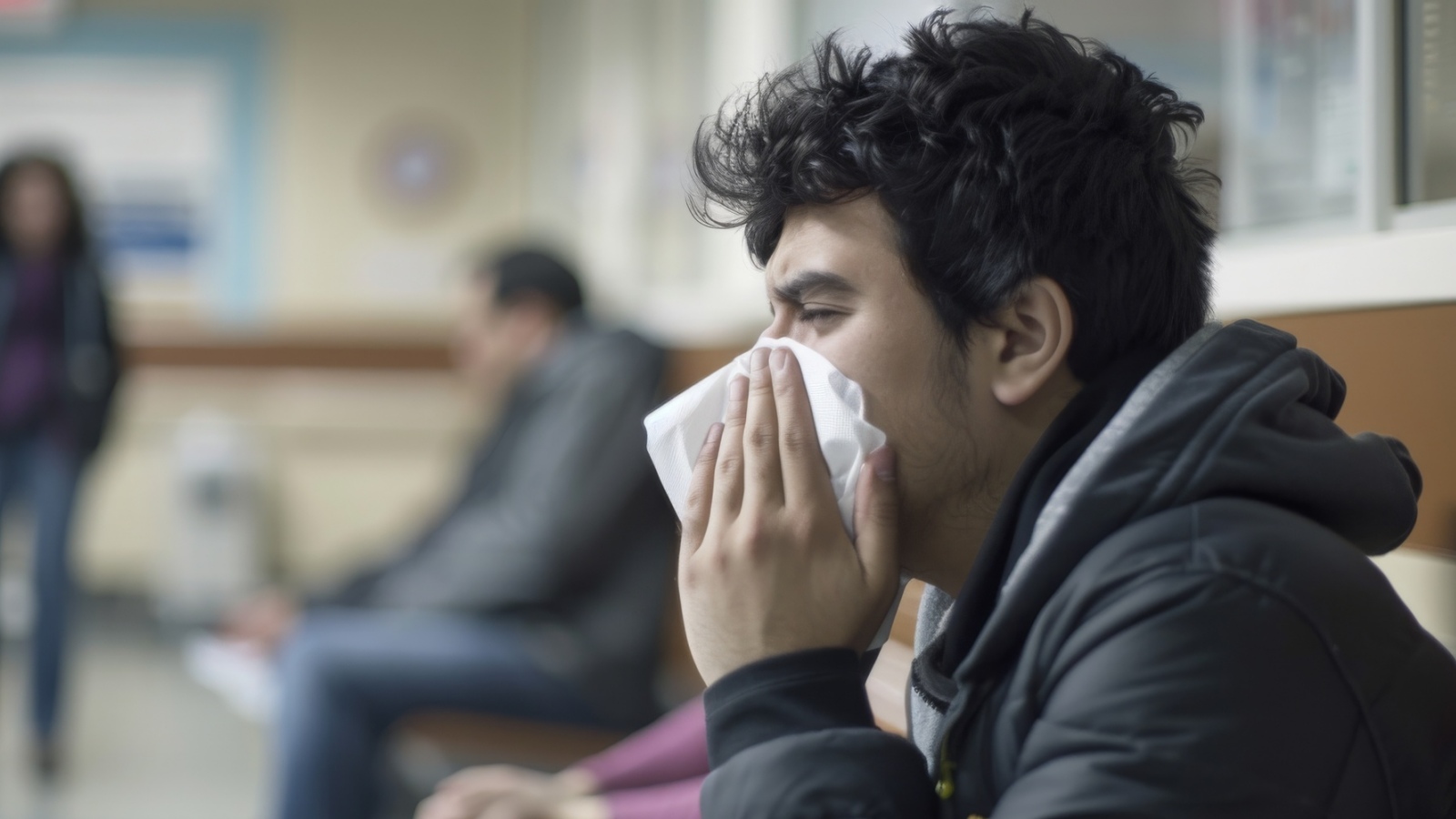
 Why are H1N1 cases rising in Bengaluru (Photo: Magnific)
Does year-round influenza activity make a difference?
A less clearly defined flu season can make it harder to rely on seasonal changes to naturally bring transmission down, Dr Saraf explains. “Certainly, to some degree,” he says, when asked whether Bengaluru’s year-round influenza activity could make an H1N1 surge harder to contain.
Story continues below this ad
“If influenza spreads through various parts of the year, there is no clearly defined ‘flu season’ which naturally causes transmission to stop,” Dr Saraf says.
This means cases can potentially continue moving from one group to another, particularly when people remain susceptible to infection and regularly interact in crowded settings.
“Cases can keep rising through one group after another, especially when people remain susceptible and continue to come together at workplaces, schools and public transport,” he says.
Early recognition therefore becomes important. “It therefore becomes important to recognise cases early and to isolate the symptomatic individuals promptly,” Dr Saraf adds.
Story continues below this ad
Could monsoon and indoor crowding add to the risk?
Dr Saraf says, “In the monsoon season people usually spend more time inside, and since schools and other crowded places offer numerous chances for the disease to spread, this increases the risk.” However, these factors should be viewed as contributors rather than the sole cause of a prolonged H1N1 wave.
What symptoms should you watch for?
Dr Saraf says residents should be alert to the typical symptoms of influenza, particularly when they appear suddenly.
“Residents should be on the lookout for a sudden onset of fever, cough, sore throat, body aches, headache and extreme fatigue,” he says.
Most importantly, some symptoms can indicate that medical assessment is needed. Dr Saraf advises people to seek medical attention if they develop shortness of breath, persistent high fever, chest discomfort, confusion, severe weakness or worsening symptoms after an initial improvement.
Story continues below this ad
“These symptoms should have it looked at by a doctor, especially in the case of older adults, young children, pregnant women and people who have existing illnesses,” Dr Saraf says.
DISCLAIMER: This article is based on information from the public domain and/or the experts we spoke to. Always consult your health practitioner before starting any routine.

Leave a Reply