
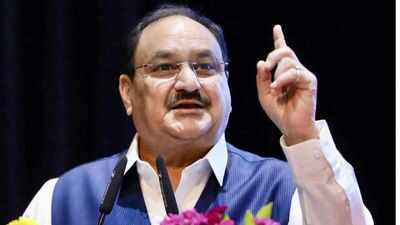
NEW DELHI: Low birth weight babies up to six months of age will be brought under the Centre’s flagship anaemia control programme for the first time as govt overhauls its strategy to tackle one of India’s biggest public health challenges, widening the focus beyond iron supplementation to include better testing, treatment, nutrition and digital tracking. Union health minister JP Nadda will release the operational guidelines for the revamped Anaemia Mukt Bharat Abhiyaan Monday during the 16th meeting of Central Council of Health and Family Welfare. The revised programme replaces the existing Anaemia Mukt Bharat framework with a broader, technology-enabled approach aimed at improving prevention, early detection, treatment and follow-up. Anaemia remains one of India’s major public health challenges, and is associated with poor pregnancy outcomes, low birth weight and impaired child development. A key feature of the new guidelines is the expansion of the existing 6x6x6 strategy into a 7x7x7 framework. Low birth weight babies have been added as the seventh beneficiary group, recognising the need to address anaemia from the earliest stage of life.A new “Eating Right” initiative has also been introduced to encourage the regular consumption of iron-rich and diversified diets, while strengthened monitoring through digital tracking has been added as the seventh institutional mechanism. The guidelines also upgrade the programme’s T3 approach of Test, Treat and Talk to T4 by adding ‘Track’ to ensure beneficiaries are monitored after diagnosis and treatment. For pregnant and lactating women with severe anaemia, or those who do not respond to oral iron therapy, intravenous iron treatment using ferric carboxymaltose and iron sucrose has been included as an important clinical intervention under the national treatment protocols. Haemoglobin test records of pregnant women will be linked through the JANANI portal, while records for children will be captured through the RBSK and U-WIN portals.

Leave a Reply