

Ektaa Kapoor, who welcomed her son in 2019 through surrogacy, recently opened up about going through her own kind of postpartum in a podcast with Ranveer Allahbadia. The producer said 2021-2022 was one of the most difficult years of her life. “For me, it was the worst during COVID, the worst year for me mentally because I could not… Even though I didn’t give birth to my son, I had postpartum of my own kind. I was really grappling with my motherhood,” she said.
The experience of motherhood through surrogacy can carry its own emotional weight, says Dr Tripti Raheja, Director – Obstetrics & Gynaecology at the CK Birla Hospital®, Delhi, and although the woman does not give birth to the baby, she may still face several psychological, social, and adjustment-related problems in the postpartum phase.
DISCLAIMER: This article is based on information from the public domain and/or the experts we spoke to. Always consult your health practitioner before starting any routine.
One key challenge, she says, is adjusting emotionally to motherhood.
“The birth of a child leads to major changes in such aspects as daily life, sleeping habits, obligations, and personal identity. Women may feel anxious about taking care of a newborn, not know if they will be good parents, or experience pressure to connect with the child,” she adds.
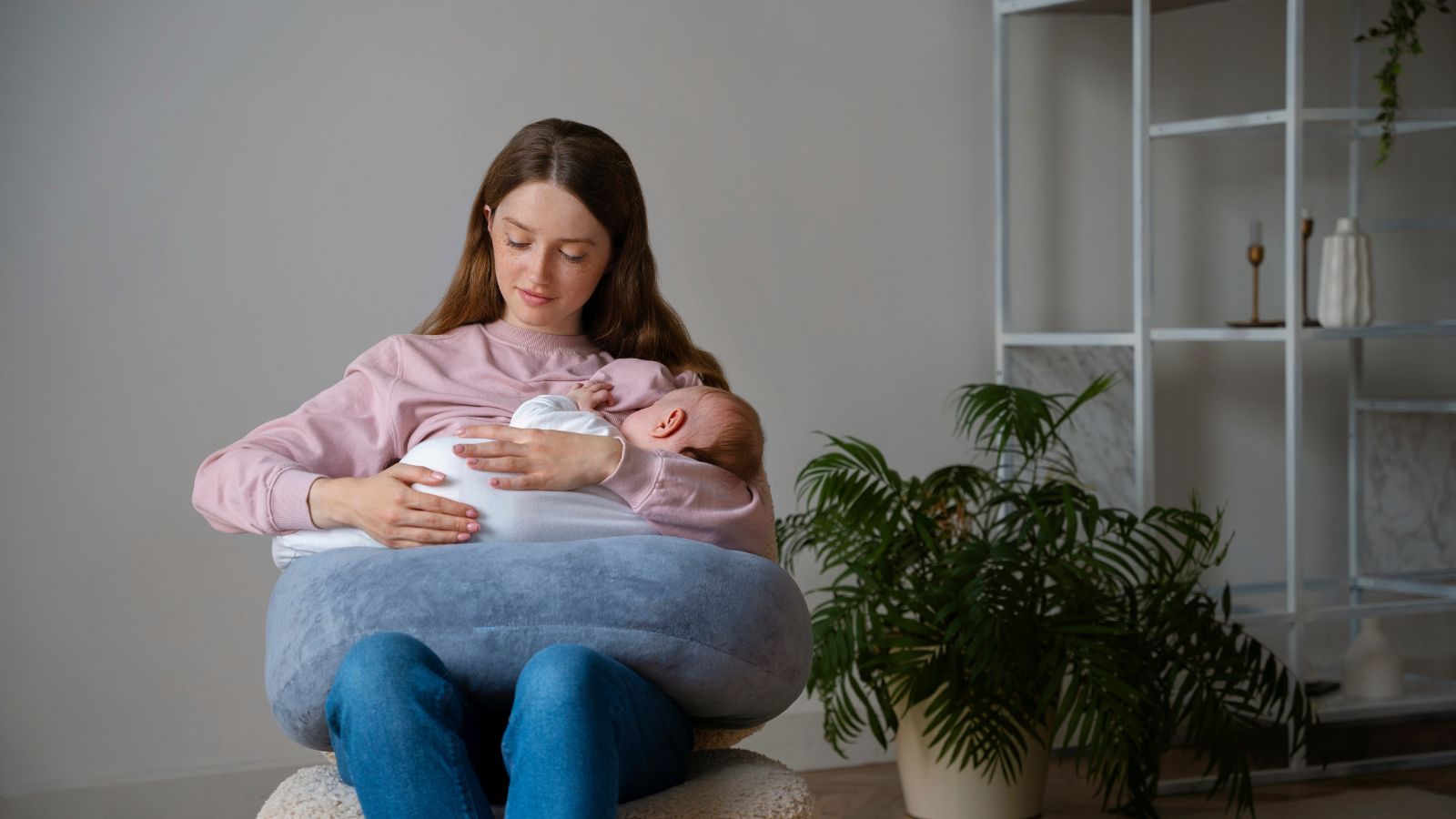 A gynaecologist explains the emotional and psychological challenges women may experience after welcoming a child through surrogacy. (Image Source: Freepik)
Another crucial factor Dr Raheja mentions is that there are no changes in the body or hormones from pregnancy and giving birth.
She explains, “Women who have not carried the baby do not suffer from postpartum hormone shifts and recovery after giving birth; however, there can be emotional tiredness, lack of sleep and stress concerning caring for the baby. If women have taken up prenatal care programs before surrogacy, the consequences of infertility, previous attempts to conceive, or lost pregnancies may affect their adaptation to motherhood.”
Story continues below this ad
Society also has its thoughts on this issue, she says. Questions about the baby’s birth, the stigma connected to surrogacy, concerns about the secrecy of everything, and comparing women who undergo pregnancy may create someone’s feeling of loneliness.
Support is essential in this transition. Partners, relatives, and medical practitioners can share the caregiver role, promote relaxation, and create a non-critical atmosphere. Counselling services or mental health specialists may help women with long-term issues with anxiety, depression, or the adaptation process.
“Motherhood cannot be defined only by pregnancy or childbirth. Women who gave birth via surrogate mothers warrant similar attention, emotional support, and access to postpartum psychological treatment as other mothers. Long-lasting problems should be treated by qualified specialists rather than disregarded as a common part of the process,” Dr Raheja says.
DISCLAIMER: This article is based on information from the public domain and/or the experts we spoke to. Always consult your health practitioner before starting any routine.

Leave a Reply