
3 min readNew DelhiUpdated: Jun 30, 2026 05:05 PM IST
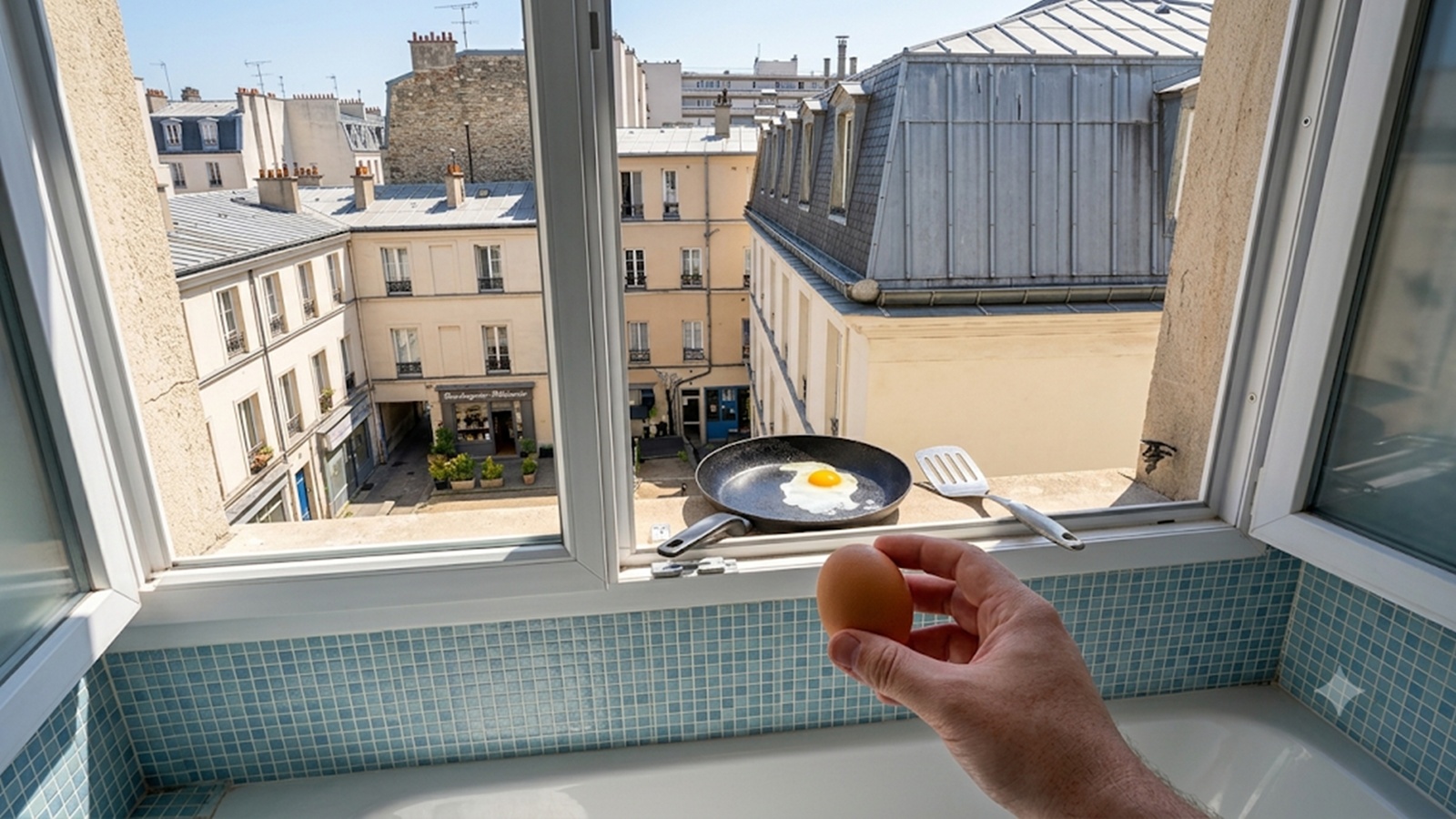
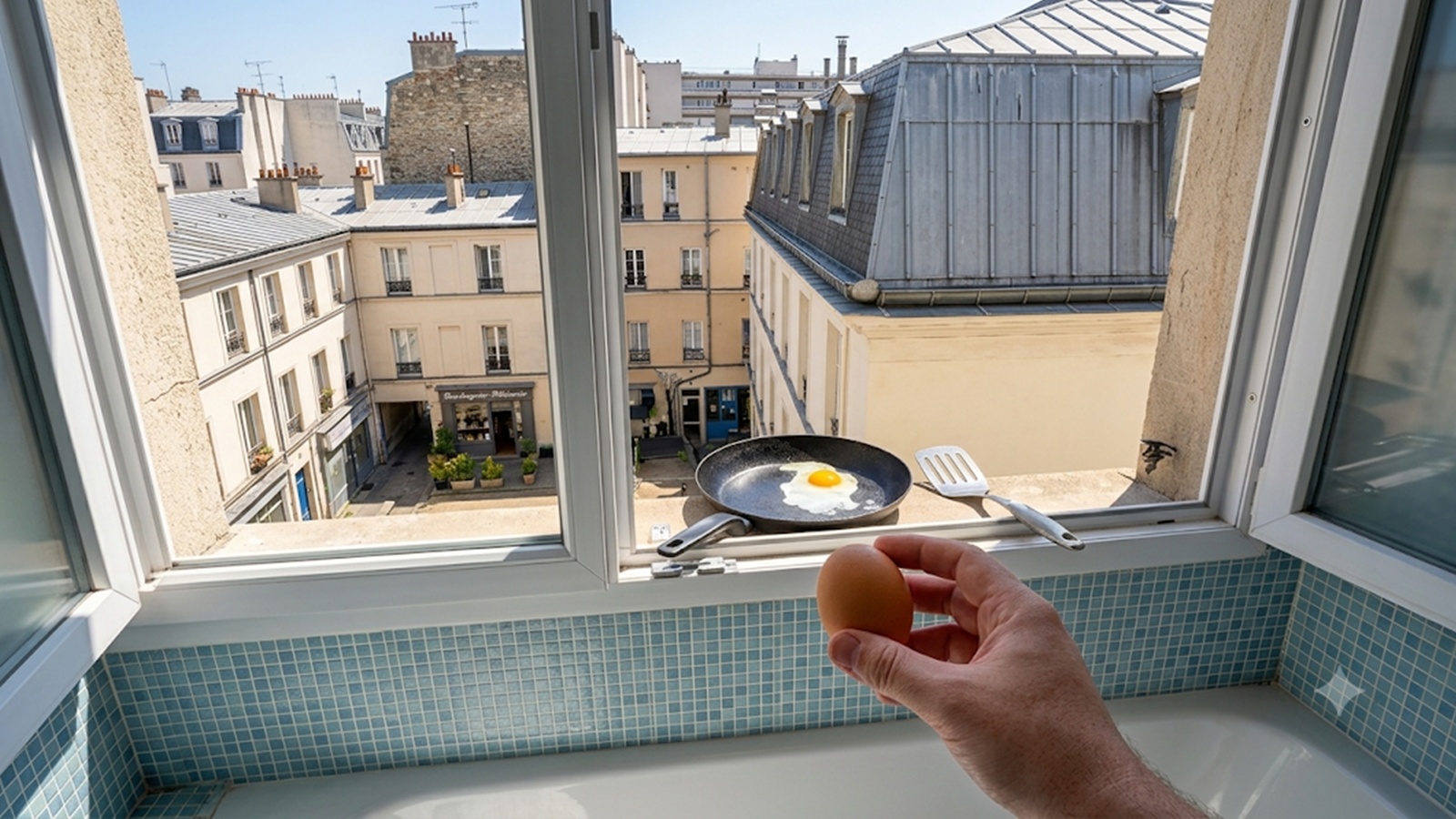
As Europe battles an intense heatwave, a video from the Netherlands showing a man, Olivier Hude, apparently frying an omelette in a pan placed under direct sunlight has gone viral. With temperatures soaring above 40°C in several parts of the continent, the clip raises questions about whether the summer heat alone can actually cook food.
According to Dr Prashant Sinha, Head of Emergency, PSRI Hospital, “Despite the soaring temperatures, the surrounding air is not hot enough to cook an egg. An ambient air temperature of 40–45°C is far too low to cook an egg. Egg proteins need a much higher temperature to coagulate.”
DISCLAIMER: This article is based on information from the public domain and/or the experts we spoke to.
However, he explains that there is an important distinction between the temperatures of the air and the surface on which the egg is cooked.
“If the pan has been heated by the sun and gets to a temperature substantially above that of the surrounding air, it is possible that an egg will be partially cooked. In these cases, the heat is coming from the hot surface, not the air.”
What temperature does an omelette actually need?
Dr Sinha explains that eggs require considerably higher temperatures than those experienced during even severe heatwaves. “Egg proteins start to coagulate at 60–65°C. A well-cooked omelet will typically be at 70–75°C or higher. From a food safety point of view, eggs should be cooked to an internal temperature of about 71°C.”
He contrasts this with typical heatwave conditions. “Even during strong heatwaves with air temperatures up to 40–45°C, we are still far from the level required to cook an omelette.”
Can a pan become hot enough under direct sunlight?
While the air itself may not cook an egg, Dr Sinha says a pan exposed to strong sunshine can sometimes reach much higher temperatures.
Story continues below this ad
“Yes. A dark-coloured metal pan can get much hotter than the air around it when placed in strong direct sunlight—hot enough to fry an egg. Many factors go into this, such as the amount of sun it gets, how long it is in the sun, what the pan is made of and what colour it is, the wind, and what is around it.”
He adds that the most favourable conditions include calm, sunny weather and dark metal cookware that absorbs heat efficiently.
Dr Sinha further explains that the video highlights the solar heating effect on exposed surfaces. Metal objects, roads, pavements, and vehicle interiors can become significantly hotter than the surrounding air because they absorb and retain solar radiation.
“This is why touching a sun-exposed metal surface during peak summer can feel much hotter than the reported air temperature,” he adds.
DISCLAIMER: This article is based on information from the public domain and/or the experts we spoke to.

Leave a Reply