
5 min readNew DelhiJul 17, 2026 11:00 AM IST
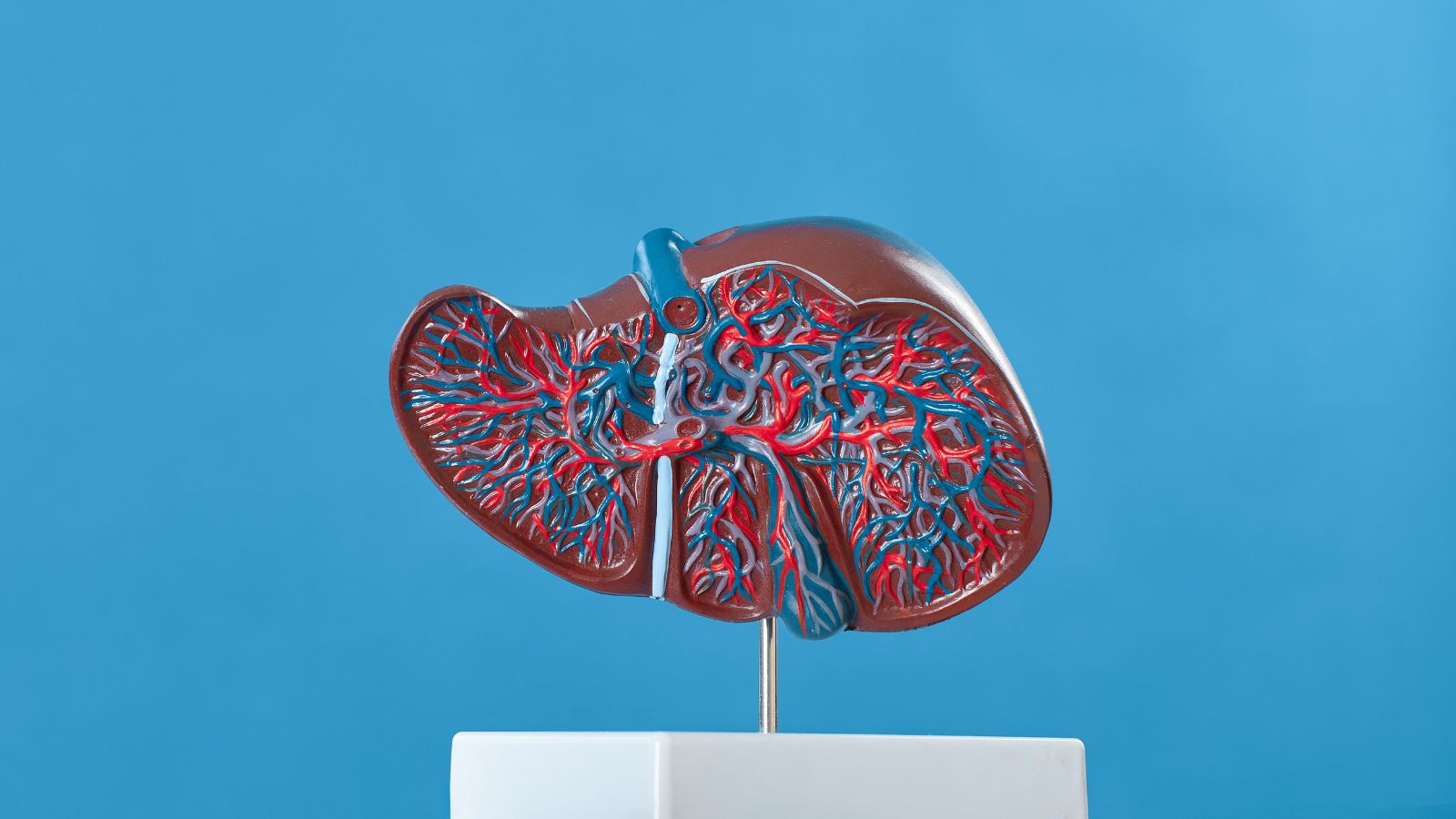
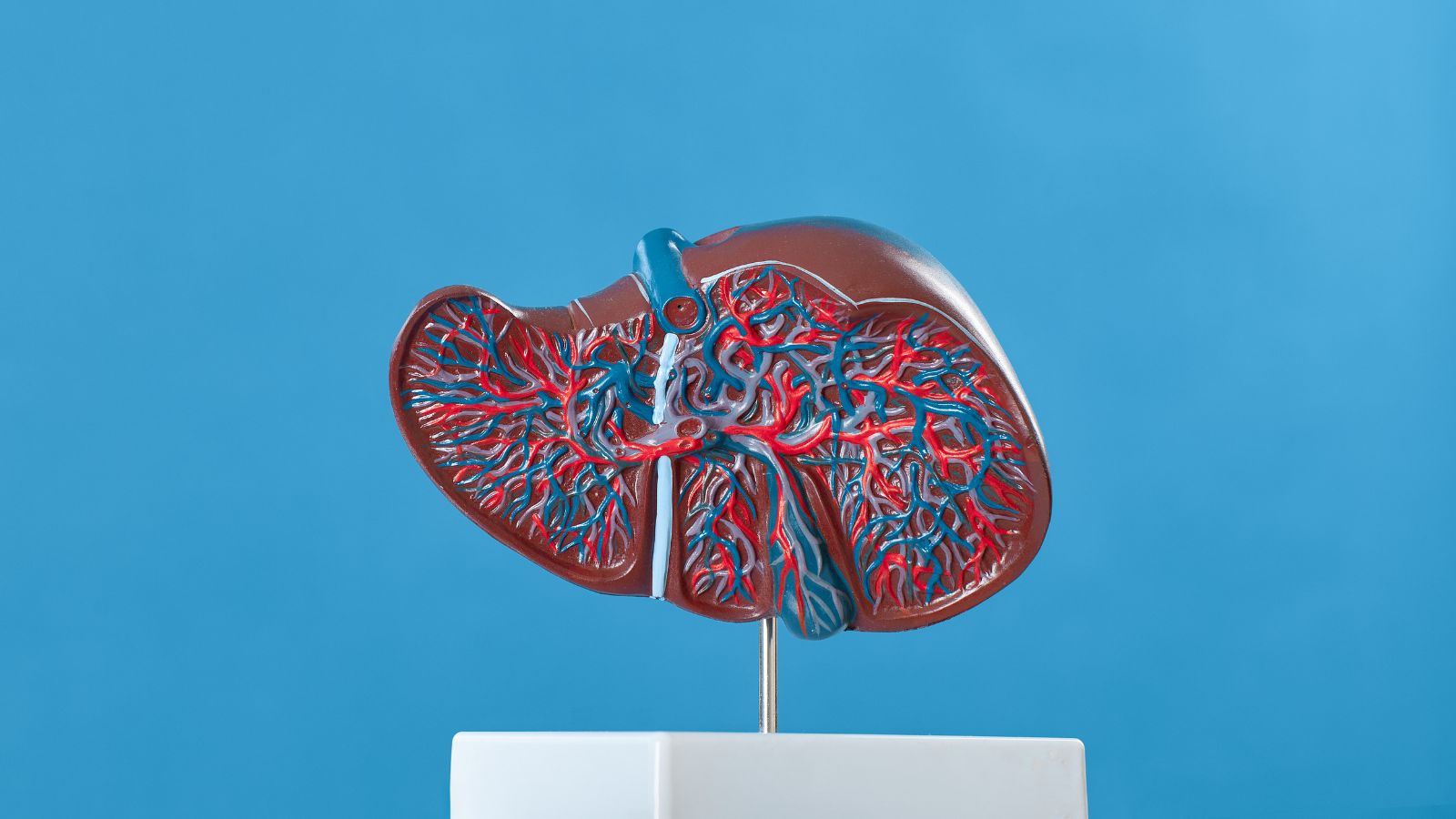
The liver quietly performs hundreds of essential functions every day, from processing nutrients and filtering toxins to producing proteins and aiding digestion. Because it can continue working even when damaged, liver disorders often develop gradually, with symptoms that may be subtle or mistaken for everyday health complaints. Recognising these early warning signs can help people seek medical care before the condition progresses.
In an Instagram post, Dr Kunal Sood highlighted five early signs that could point to an underlying liver disorder. He wrote, “😴 Feeling tired all the time. Fatigue is one of the most common symptoms of chronic liver disease. It may reflect changes in brain signalling, inflammation, muscle loss, poor sleep, anaemia, or reduced exercise tolerance rather than liver enzymes alone.”
DISCLAIMER: This article is based on information from the public domain and/or the experts we spoke to. Always consult your health practitioner before starting any routine.
He also noted, “🤢 Frequent nausea or loss of appetite. The liver produces bile to help digest fats, and liver disease can disrupt normal digestion. Delayed stomach emptying, inflammation, altered taste, abdominal bloating, and reduced appetite are all recognised contributors to nausea and poor food intake.” Another sign he mentioned was “🟡 Yellowing of the eyes or skin. Jaundice occurs when bilirubin builds up because the liver cannot properly process or excrete it. It may result from liver disease, excess red blood cell breakdown, or bile duct obstruction. New or worsening jaundice always deserves prompt medical evaluation.”
He further highlighted “🩹 Easy bruising. The liver makes many of the proteins needed for normal blood clotting and also helps regulate platelet production. As liver function declines, bruising and abnormal bleeding can become more common, especially when accompanied by nosebleeds, gum bleeding, or black stools.” Finally, he pointed to “🦶 Swelling in the legs or abdomen. Liver scarring can increase pressure in the portal circulation, causing fluid retention and swelling in the legs or abdomen. Low albumin levels may worsen this because albumin helps keep fluid inside blood vessels.”
But how specific are these symptoms to liver disease, and when should they prompt medical attention? We asked an expert to explain.
When common symptoms may signal liver disease
Dr Palleti Siva Karthik Reddy, MBBS MD general medicine, FAIG, Consultant physician at Elite Care Clinic, tells indianexpress.com, “While fatigue, nausea and loss of appetite are common and often temporary, they warrant medical evaluation if they persist for more than two weeks, progressively worsen, or occur alongside symptoms such as yellowing of the eyes or skin, dark urine, pale stools, unexplained weight loss, or abdominal swelling.”
Story continues below this ad
Liver disease rarely presents with a single symptom. Dr Reddy states that it is usually the combination, persistence and progression of these signs that should raise concern. Individuals should avoid self-medicating and seek timely medical advice, as early diagnosis can significantly improve outcomes.
Why liver disease is often detected late
Quick Quiz
See if you can answer this:
Why are many liver diseases diagnosed only after they have become advanced?
A. The liver cannot function once even a small amount of damage occurs.
B. Most liver diseases always cause severe pain in the early stages.
Story continues below this ad
C. The liver can continue functioning despite significant damage, allowing many disorders to remain symptom-free for a long time.
D. Routine health check-ups are unable to detect liver disease.
▼ Reveal the answer
✅ Correct answer: C
Dr Reddy notes that the liver has an impressive ability to keep working even after substantial damage, which means many liver conditions develop silently without obvious symptoms. People with obesity, diabetes, excessive alcohol use, viral hepatitis, fatty liver disease, a family history of liver disorders or long-term use of certain medications should consider regular liver function tests and abdominal ultrasounds. Detecting liver disease early allows treatment and lifestyle changes before permanent damage occurs.
What to do if warning signs appear
Symptoms such as jaundice, easy bruising, or swelling of the legs and abdomen should never be ignored, as they may indicate significant liver dysfunction. The individual should seek prompt evaluation by a physician or gastroenterologist rather than attempting home remedies.
Story continues below this ad
“The initial assessment typically includes liver function tests, complete blood count, coagulation profile, viral hepatitis screening, and an abdominal ultrasound. Depending on the findings, additional investigations such as CT scan, MRI, FibroScan, autoimmune markers, or a liver biopsy may be recommended. In many cases, identifying and treating the underlying cause early can halt disease progression, improve liver function, and prevent permanent liver damage,” concludes Dr Reddy.
DISCLAIMER: This article is based on information from the public domain and/or the experts we spoke to. Always consult your health practitioner before starting any routine.

Leave a Reply