
Recently, content creator and UK surgeon Dr Karan Rajan shared several science-backed habits on Instagram that may help lower LDL cholesterol naturally when followed consistently.
One of the key recommendations highlighted by Dr Rajan was increasing soluble fibre intake. According to him, “only five to 10 grams of soluble fibre per day from things like oats, lentils, and beans can lower LDL cholesterol by around five to ten percent based on meta-analysis of randomised control trials.” He further added, “And specifically on beans, a 2011 meta-analysis showed that regular legume consumption can reduce LDL cholesterol by around five percent independent of any other dietary changes.” His comments draw attention to the growing evidence linking fibre-rich foods with better heart health and improved cholesterol management.
DISCLAIMER: This article is based on information from the public domain and/or the experts we spoke to. Always consult your health practitioner before starting any routine.
Dr Rajan also emphasised the importance of replacing saturated fats with healthier unsaturated fats. “Swap your butter and fatty processed meat for olive oil, nuts, seeds, and oily fish,” he advised. Referring to research, he said, “A meta-analysis of 60 trials found that this swap can reduce LDL by up to 17 percent depending on the degree of substitution.” Alongside this, he noted that consuming more plant protein from foods such as soy, tofu, lentils, and legumes may also help reduce LDL levels because “plant proteins are completely devoid of cholesterol.”
Weight management and regular exercise were other major points in his advice. Explaining the benefits of fat loss, Dr Rajan said, “If you are carrying excess weight, a five to 10 percent reduction in body weight can reduce LDL by up to six percent. And it’s got the added bonus of improving the triglyceride and HDL profiles.” On physical activity, he noted, “Even just sticking to the standard recommended guidelines of 150 minutes of aerobic exercise per week has been shown to reduce LDL by three to six percent in meta-analysis.” He added that exercise also helps by “improving endothelial function, reducing inflammation, and improving blood pressure.”
Summing up the combined impact of these habits, Dr Rajan said, “When combined, the evidence suggests that all of these can potentially reduce LDL by up to 20 percent if sustained. And if you need medication to lower your cholesterol, statins, PCSK9 inhibitors, they work, but these lifestyle habits make them work even better.”
What exactly happens inside the body when LDL levels stay high for long periods?
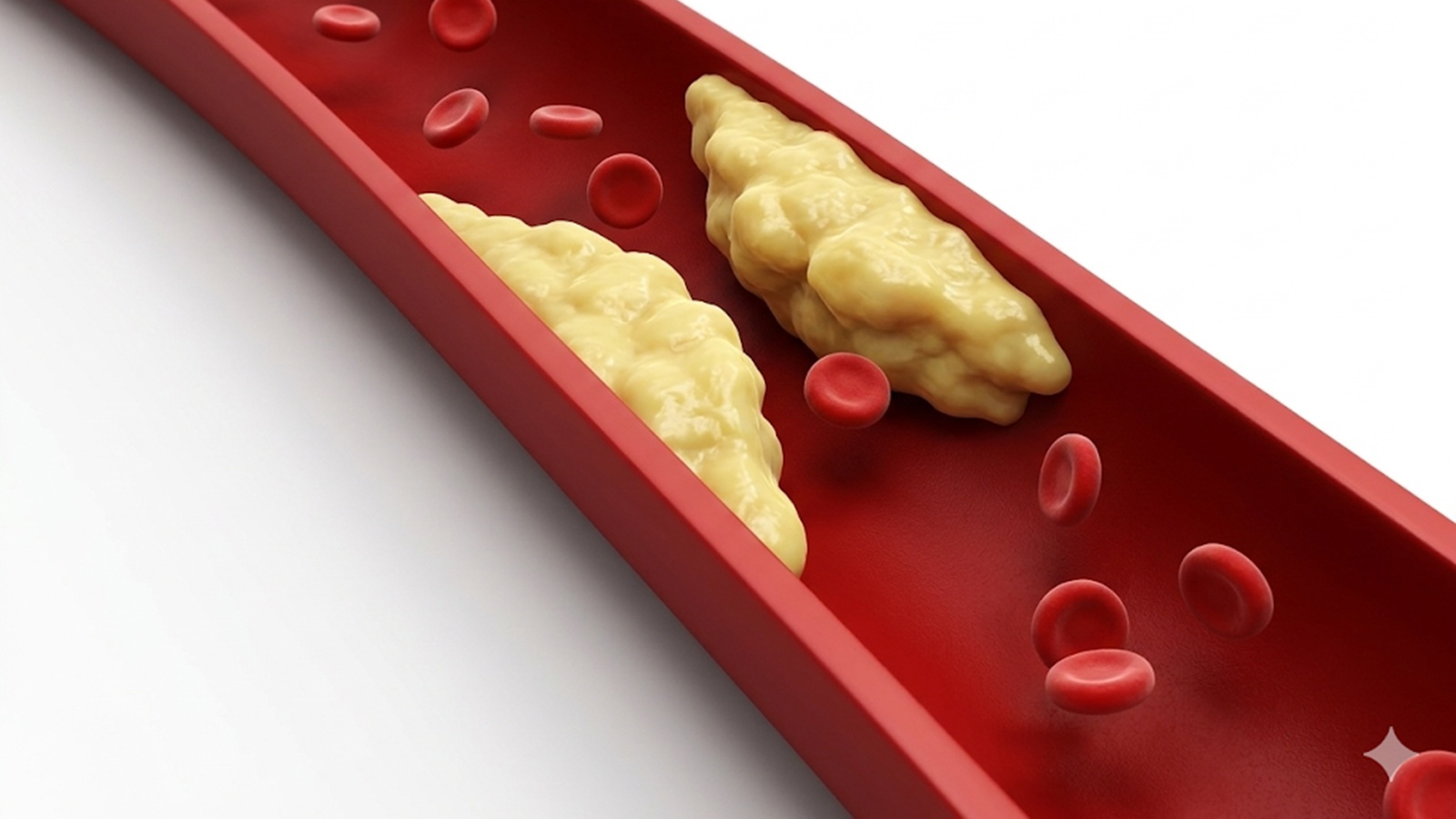
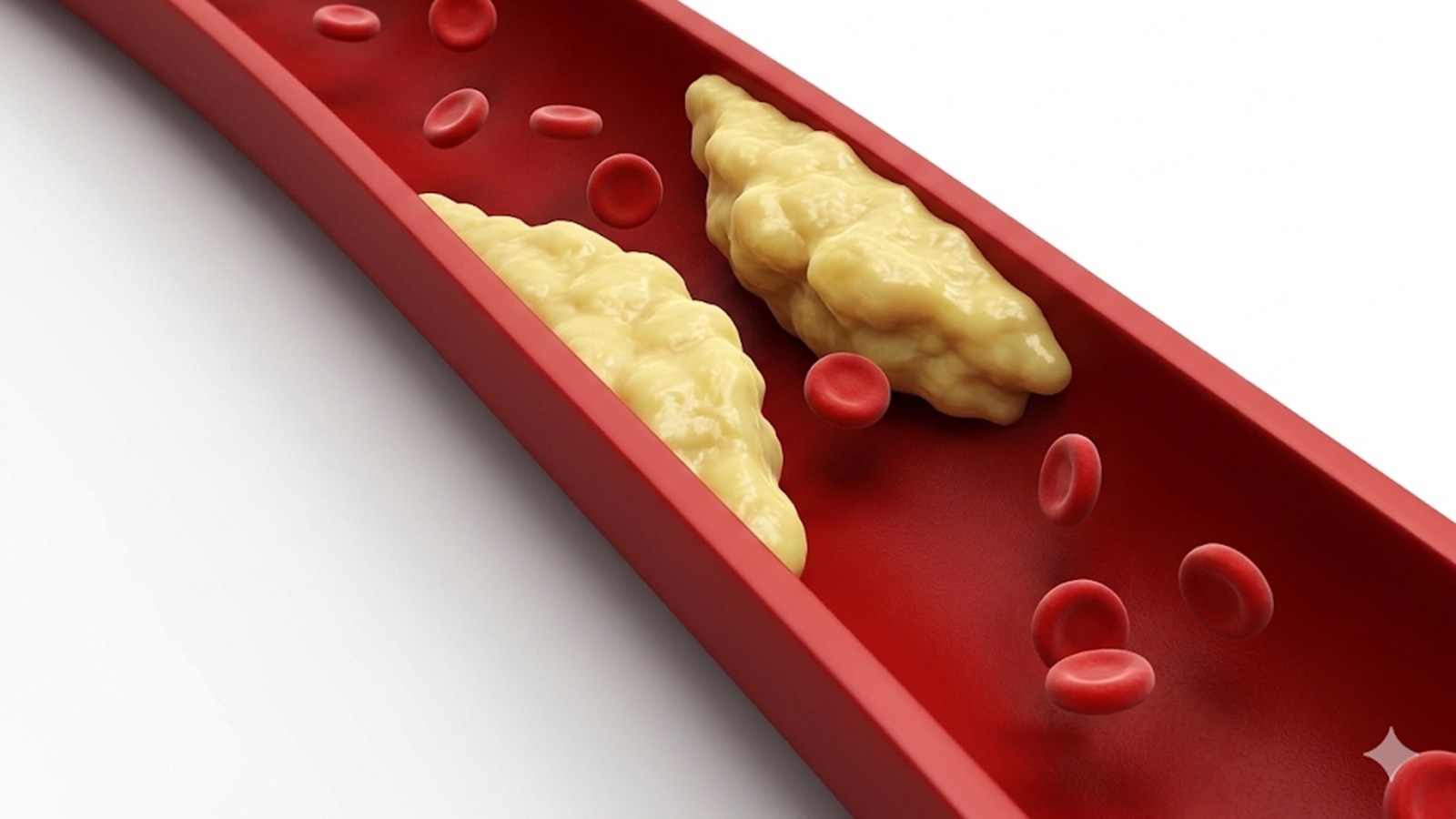
Dr CM Nagesh, Founder of Cardea Super Speciality Hospital, tells indianexpress.com, “High LDL cholesterol becomes dangerous when it starts depositing inside artery walls over time. This leads to plaque formation, a process known as atherosclerosis, which gradually narrows and hardens the blood vessels.”
Story continues below this ad
As circulation becomes restricted, he adds that the heart and brain receive less oxygen-rich blood. “If a plaque ruptures, it can trigger a clot that suddenly blocks blood flow, resulting in a heart attack or stroke. The concern is that this damage often progresses silently for years before symptoms appear.”
Realistic dietary changes people can make daily to help lower LDL cholesterol
Dr Nagesh confirms, “Replacing fried foods and processed snacks with nuts, seeds, fruits, and fibre-rich meals can significantly improve lipid profiles. Choosing healthier fats such as olive oil, limiting processed meats, and increasing intake of legumes, oats, and vegetables are practical daily strategies.”
It is also important to reduce excess sugar and ultra-processed carbohydrates, as they indirectly worsen metabolic health and contribute to unhealthy cholesterol patterns.
When should someone consider medication alongside lifestyle modification?
Regular exercise, even brisk walking for 30 to 45 minutes most days, combined with weight reduction and dietary improvements, can produce measurable reductions in LDL cholesterol within a few months.
“However, medication becomes important when cholesterol levels remain persistently high despite lifestyle efforts, or when a person has additional risk factors such as diabetes, hypertension, smoking history, obesity, or a family history of early heart disease. In such cases, delaying treatment may increase long-term cardiovascular risk,” concludes Dr Nagesh.
Story continues below this ad
DISCLAIMER: This article is based on information from the public domain and/or the experts we spoke to. Always consult your health practitioner before starting any routine.

Leave a Reply