
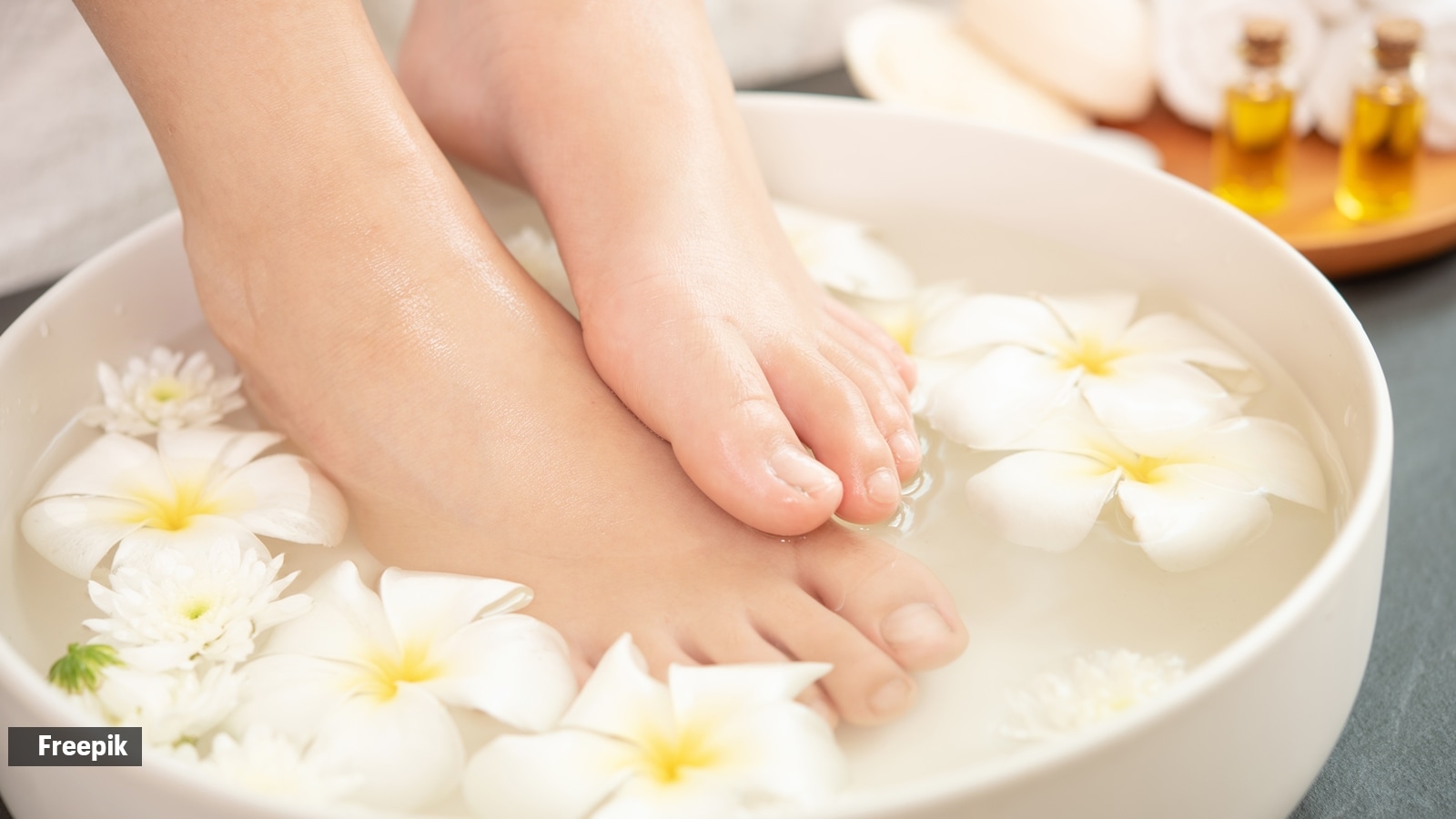
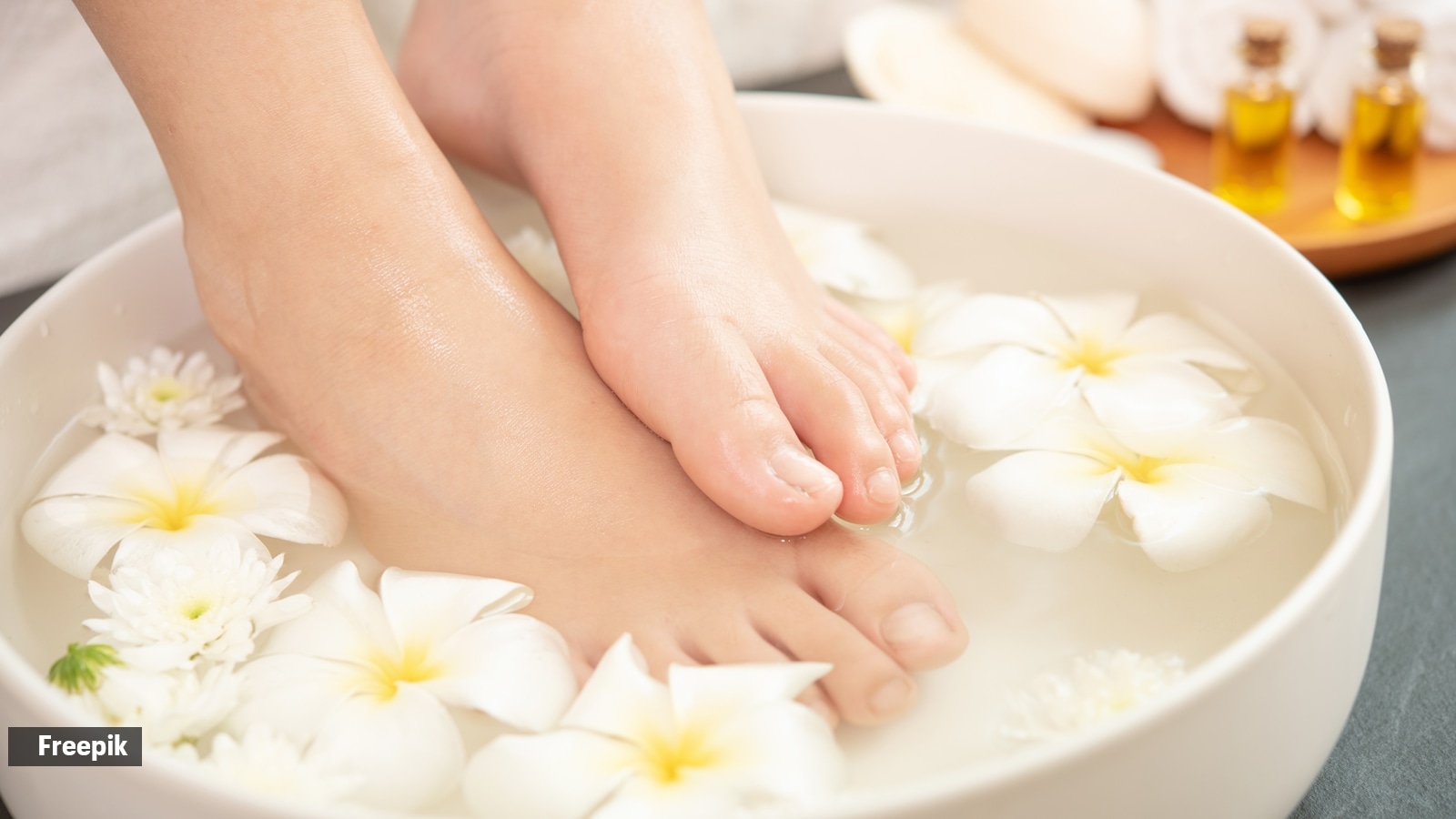
Deepika Padukone’s former nutritionist, Shweta Shah, shared a Japanese ritual that, according to her, is a simple way to prevent strokes, especially among those over 50. “There is a Japanese secret to preventing strokes. It’s a very simple thing. All they do is soak their feet in hot water for 15-20 minutes. I would advise everyone over 50 to follow this. There is a really big science behind it. This helps expand blood vessels, improves circulation, and calms it. It reduces stress. Putting Epsom salt improves sleep, too. I am sure it works,” she said in a post on Instagram.
While soaking feet in warm water may offer temporary relaxation and comfort, there is no scientific evidence to support the claim that it can prevent strokes, said Dr Pankaj Agarwal, director of Neurology, Stroke and Neurocritical care at Gleneagles Hospital, Parel, Mumbai.
DISCLAIMER: This article is based on information from the public domain and/or the experts we spoke to. Always consult your health practitioner before starting any routine.
“Strokes are serious medical emergencies caused by interrupted blood flow to the brain, often linked to high blood pressure, diabetes, cholesterol, smoking, and lifestyle factors. Managing these risks through regular medical check-ups, a healthy diet, physical activity, and prescribed medication is the proven way to lower stroke risk, not home remedies,” he added.
According to Dr Agarwal, warm foot soaks may help improve circulation slightly and reduce stress for some people, but these effects are temporary and localised. “They do not influence the deeper arteries or the brain’s blood supply, where stroke prevention truly matters. Using Epsom salt may help with mild muscle relaxation or sleep, but again, it has no role in stroke prevention. It’s important to be cautious with such online health claims. People, especially those above 50, should consult doctors for personalised advice and avoid substituting medical care with unverified practices,” said Dr Agarwal.
Warm-water therapy has roots in traditional Japanese and Chinese medicine, where it’s thought to balance energy and improve blood flow, said Dr Amit Saraf, director of internal medicine at Wockhardt Hospitals, Mumbai Central. “The ritual also encourages relaxation, which may lower stress hormones and slightly reduce blood pressure. These two factors are indirectly linked to stroke prevention. So, while it might make you feel better, it doesn’t replace medical or lifestyle changes that truly protect your heart and brain,” said Dr Saraf.
Stroke prevention is done by following the SMART acronym
*Stop smoking (this is non-negotiable)
*Consume meals that are healthy (avoiding junk/fried food)
*Lead an active lifestyle (walking, running, etc, avoiding sedentary life)
Story continues below this ad
*Get regular checkups done (weight, blood pressure, cholesterol, sugar, heart health), Treatment adherence (to medicines given by your doctor for the above).
Can people with medical conditions try this practice?
Yes, but with caution, said Dr Saraf. “Those with diabetes or peripheral neuropathy should carefully check the water temperature, even mildly hot water can cause burns if sensation in the feet is reduced. Additionally, people with severe varicose veins or heart failure should avoid prolonged hot soaks,” said Dr Saraf.
DISCLAIMER: This article is based on information from the public domain and/or the experts we spoke to. Always consult your health practitioner before starting any routine.

Leave a Reply