

4 min readNew DelhiApr 26, 2026 04:57 PM IST
What if we were to tell you that strong friendships, going out, and regular social interactions can help you keep heart diseases at bay? Even though it sounds too good to be true, experts have confirmed the possibility of this correlation.
As per varied research literature, people who stay socially connected may have a lower risk of cardiovascular disease compared to those who experience long-term loneliness or isolation.
As per medical experts, the relationship between social life and heart health is becoming an important area of study within cardiology and public health.
According to Dr Manoj Bhise, Cardiologist and heart specialist, Sahyadri Super Specialty, Deccan, there is growing scientific evidence linking social connections with cardiovascular well-being.
“There is increasing scientific evidence to show that social relationships are involved in cardiovascular health. Various studies have shown that people who are socially connected are less likely to develop heart diseases than people who are lonely and socially isolated,” he tells indianexpress.com.
How loneliness can affect the heart
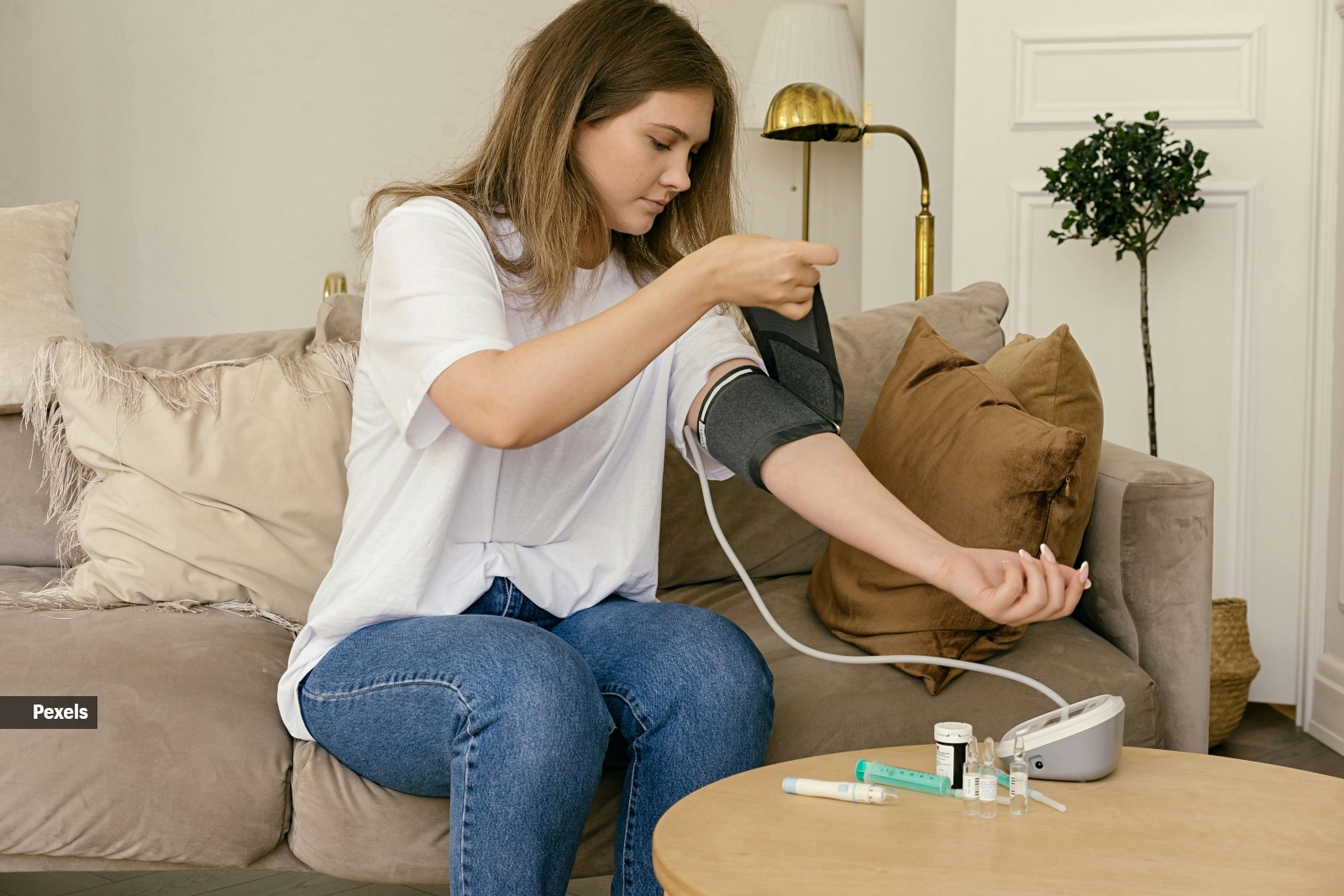 Loneliness can raise stress hormones like cortisol and adrenaline, increasing blood pressure, heart rate, and inflammation in the body (Image: Pexels)
Long-term loneliness or social isolation can trigger several physiological changes that may increase the risk of heart problems.
“When people are lonely, they are likely to experience elevated stress hormones, including cortisol and adrenaline. This increases blood pressure, heart rate, as well as the level of inflammation in the body,” says Dr Bhise.
Story continues below this ad
Over time, these changes can raise the risk of conditions such as Hypertension and Atherosclerosis, both of which are major contributors to cardiovascular disease.
Loneliness may also disrupt sleep patterns and daily routines, which can further increase cardiovascular risk.
Why social interaction may help
Regular social interaction can have positive psychological effects that indirectly benefit heart health. “Meaningful social interactions can help an individual manage stress more effectively and reduce feelings of anxiety or emotional pressure,” says Dr Bhise.
Lower stress levels may reduce the production of hormones such as Cortisol, which helps maintain healthier blood pressure levels and overall cardiovascular balance. People with supportive social circles are also more likely to stay physically active, follow medical advice, and maintain healthier daily habits.
Story continues below this ad
Better social networks, better heart outcomes?
 While an active social life helps, healthy eating habits, regular physical activity, avoiding tobacco, managing stress, and getting adequate sleep are still important for heart health (Image: Pexels)
Research suggests that individuals with strong social networks may experience better long-term heart health outcomes.
“Supportive relationships offer emotional security, which enables people to deal with stress in a better way,” Dr Bhise notes. This can indirectly contribute to lower risks of serious events such as heart attack and stroke.
However, social connection is only one part of the bigger picture, and an antidote to all cardiac issues. While meaningful relationships can support overall well-being, traditional lifestyle factors remain the most critical for protecting heart health.
“Healthy eating habits, regular physical activity, avoiding tobacco, managing stress, and getting adequate sleep are still considered to be of utmost importance in maintaining heart health,” Dr Bhise explains.
Story continues below this ad
That said, social support can make it easier for people to maintain these healthy habits consistently. To put it simple, while staying socially connected may not replace exercise or a balanced diet—but it could be another valuable piece of the heart-health puzzle.
DISCLAIMER: This article is based on information from the public domain and/or the experts we spoke to. Always consult your health practitioner before starting any routine.

Leave a Reply