
4 min readNew DelhiMay 9, 2026 07:00 PM IST
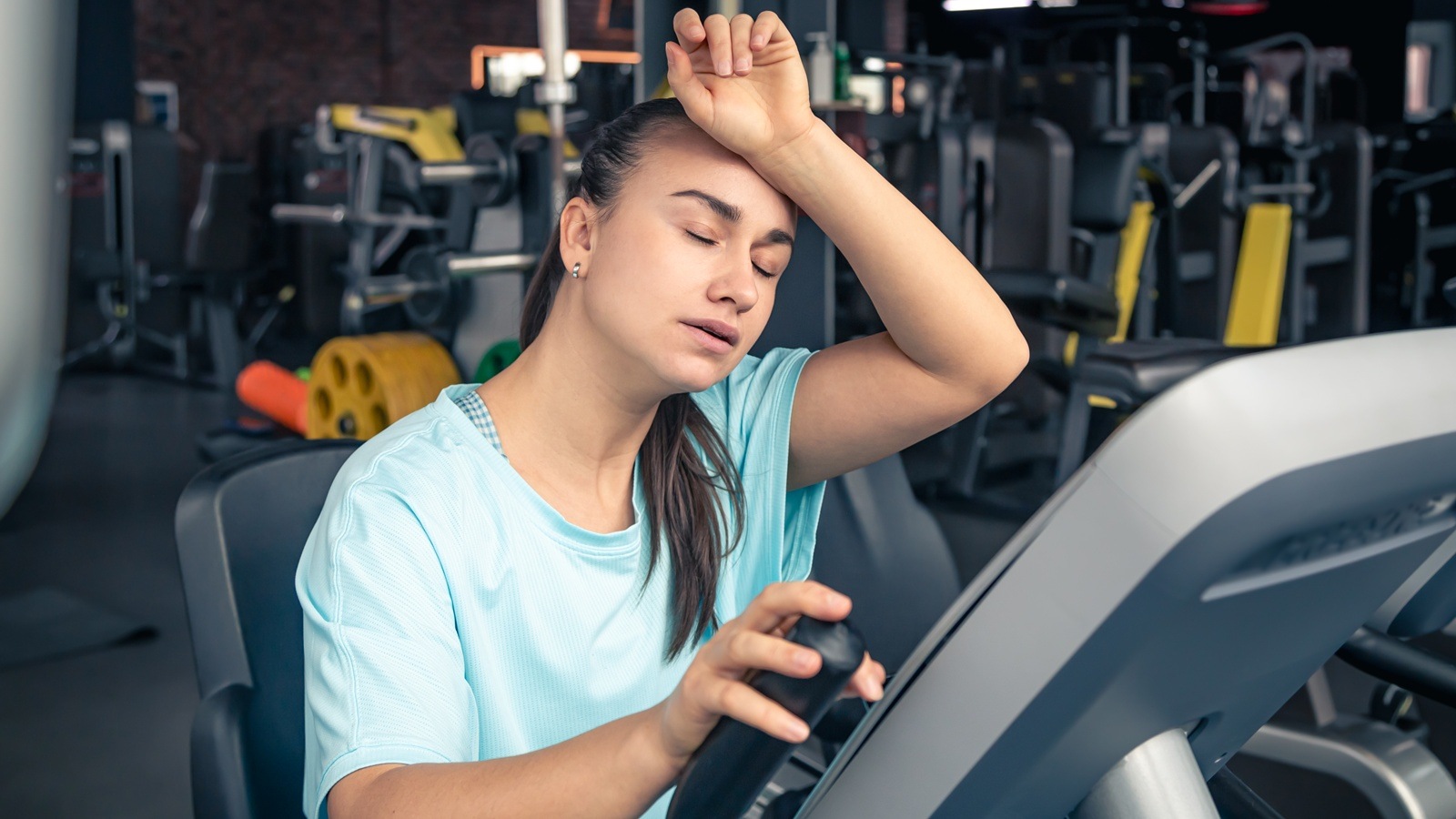
Sanya Malhotra’s fitness trainer Tridev Pandey says, “If sweat was the measure of fat loss, sitting in a sauna would be the best workout. But it’s not”. The expert took to Instagram to share that many people still judge their workouts by how much they sweat, when in reality, sweat is just your body trying to cool down, not burn fat.
“You can have a highly effective session with minimal sweat…and a sweaty session that does almost nothing for progress,” he shared in the caption of his Instagram post. So, what actually moves the needle? Pandey says the effort you put in, the work your muscles do and how consistent you are over time are the true indicators of fat loss. “Stop using sweat as feedback. Start using performance,” he says.
To verify his claim and understand how fat loss works, we turned to health experts and got some clarity.
How does fat loss occur?
Explaining the process, Dr Irania Ravanan, consultant diabetologist and physician at KMC Prakriya Hospitals, Chennai, says that glucose is the most readily available and used fuel in the body, and the body has mechanisms to keep the glucose level within the normal range. After eating, additional glucose is first stored as glycogen in the liver. The liver can store about 100 – 120g of glycogen. Any additional carbohydrate absorbed from the meal is then stored as fat.
“When we fast or work out, the glucose in the blood is constantly replenished by breakdown of the glycogen to glucose. It can take 10 – 12 hours for the glycogen stores in the liver to be completely depleted. The speed of depletion will depend of the consumption during the state of fasting,” she said. Once the glycogen store is depleted, fat is metabolised to glucose. This is fat burning, which turns into fat loss if continued for a longer duration.
So, what does sweat mean?
However, Dr Ravanan notes that sweat reflects fluid loss, not fat burn. Fat loss is driven by a calorie deficit over time.
Dr Narander Singla, lead consultant, internal medicine, CK Birla Hospital, Delhi, adds that a significant portion of the fat you lose, approximately 84 per cent, is exhaled from your body in the form of carbon dioxide. This occurs in the lungs, where carbon dioxide is transported from the bloodstream and expelled during breathing. In essence, each breath you take helps eliminate fat that has been metabolised.
According to him, water is eliminated from the body through various natural processes. Concurring with Dr Ravanana, he says that it exits through sweat, as your skin releases excess water to help regulate body temperature. It is also filtered by the kidneys and expelled as urine. “Additionally, smaller amounts of water are lost through other bodily fluids, such as tears and saliva,” Dr Singla tells indianexpress.com.
Story continues below this ad
DISCLAIMER: This article is based on information from the public domain and/or the experts we spoke to. Always consult your health practitioner before starting any routine.

Leave a Reply