
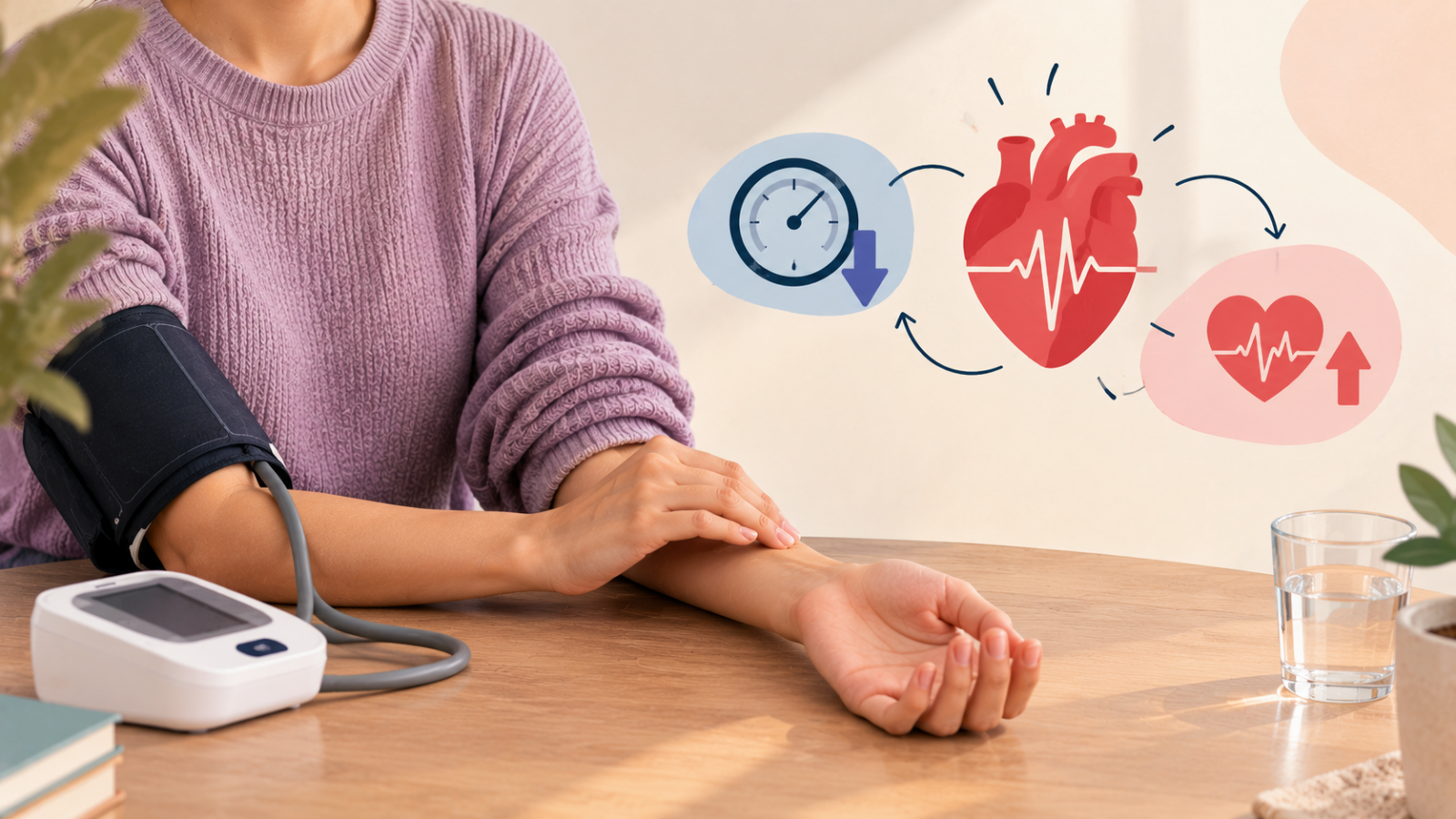
You check your blood pressure and find that it is lower than usual, but your heart seems to be racing. The two readings may appear contradictory, but low blood pressure and a high pulse rate can occur at the same time. What explains this combination, and when should you be concerned?
This is exactly what was troubling an internet user who took to Quora asking: Can low blood pressure and high pulse rate occur simultaneously? If so, what is the recommended treatment for this condition?
We reached out to Dr Saurabh Juneja, Director and HOD, CTVS, Cardiac Sciences, ISIC Multispeciality Hospital, seeking answers.
DISCLAIMER: This article is based on information from the public domain and/or the experts we spoke to. Always consult your health practitioner before starting any routine.
What causes low blood pressure and a high pulse rate?
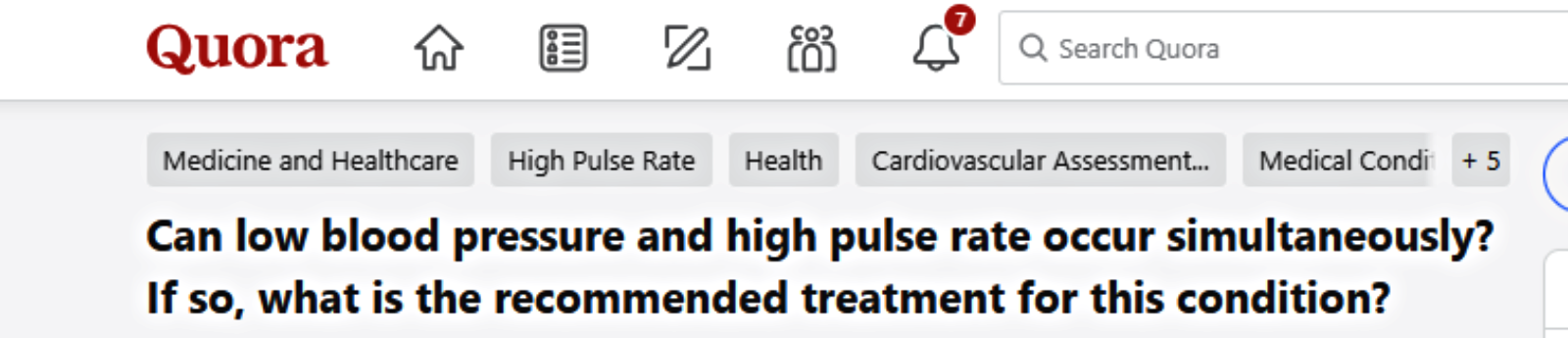 Screenshot of the query posted on Quora
“When BP drops, the nervous system responds by signaling the heart to beat faster, helping circulate more blood throughout the body,” Dr Juneja tells indianexpress.com.
The cardiologist further explains that this increased heart rate aims to “maintain oxygen delivery” to important organs such as the brain and heart despite the lower pressure.
“The most common causes include dehydration from excessive sweating, diarrhoea, vomiting, or inadequate fluid intake.”
Story continues below this ad
Blood loss due to an injury, heavy menstrual bleeding or internal bleeding can also trigger this response.
Other possible causes include infections accompanied by fever, anaemia, pregnancy, certain medications and standing up too quickly. Heart rhythm disorders and severe allergic reactions can also lead to low blood pressure alongside a faster heartbeat.
In some situations, the increase in pulse rate is the body’s natural attempt to maintain circulation.
” A temporary rise in pulse is common, but persistent symptoms should be medically evaluated,” the cardiologist strictly advises.
Story continues below this ad
When should you be concerned?
Pay attention to symptoms such as dizziness, fainting, severe weakness, confusion, blurred vision, shortness of breath, chest pain, persistent palpitations, or cold and clammy skin. These can indicate that the body is struggling to maintain adequate blood flow.
“These symptoms may indicate significant dehydration, serious infection, internal bleeding, heart rhythm abnormalities, or even shock,” Dr Juneja explains.
Shock is a potentially life-threatening condition in which the body’s organs do not receive adequate blood flow. If low blood pressure and a racing heartbeat occur alongside chest pain, breathlessness, fainting or confusion, seek emergency medical attention rather than waiting for the readings to return to normal.
How is low blood pressure with a high pulse rate treated?
 Why you might have low blood pressure despite high pulse rate
The treatment depends on what is causing the abnormal readings. If dehydration is responsible, replacing fluids and electrolytes may help. Blood loss may require urgent treatment to stop the bleeding and replace lost fluids or blood. Infections may need appropriate treatment, while anaemia requires investigation and treatment of the underlying deficiency. Heart rhythm disorders and other cardiac conditions may need specialised evaluation.
Story continues below this ad
“The goal is not simply to normalize the numbers but to identify and address the root problem causing them,” says Dr Juneja.
If you notice these readings, sit or lie down somewhere safe, avoid standing up suddenly and recheck your blood pressure and pulse after a few minutes of rest. Drinking water may help if dehydration is suspected and you are alert and able to swallow safely.
However, do not rely on rest or hydration if symptoms are severe or the readings remain abnormal. Recurrent episodes also warrant medical evaluation, even if the symptoms settle on their own.
DISCLAIMER: This article is based on information from the public domain and/or the experts we spoke to. Always consult your health practitioner before starting any routine.

Leave a Reply