
6 min readNew DelhiJul 24, 2026 04:55 PM IST
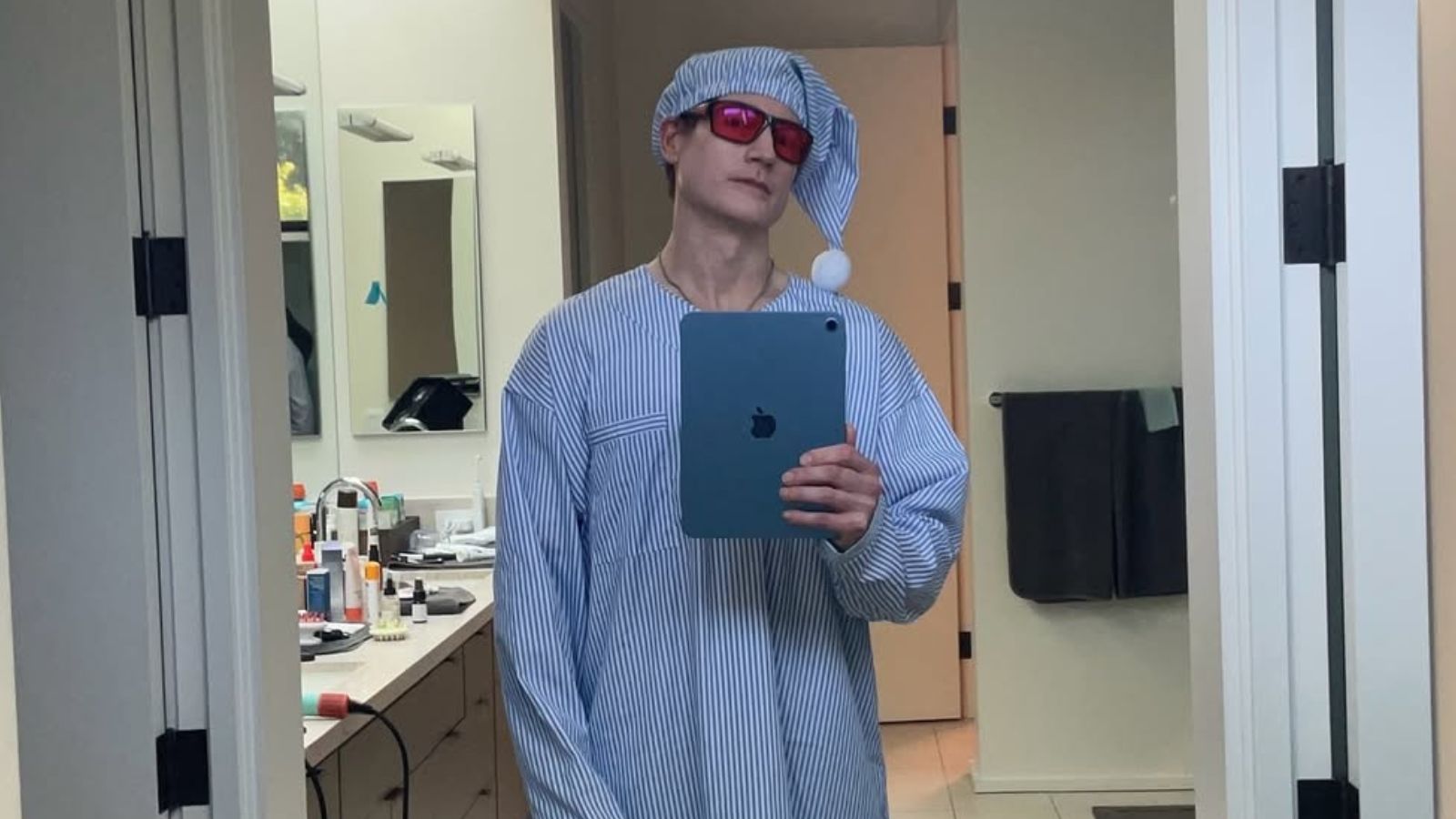
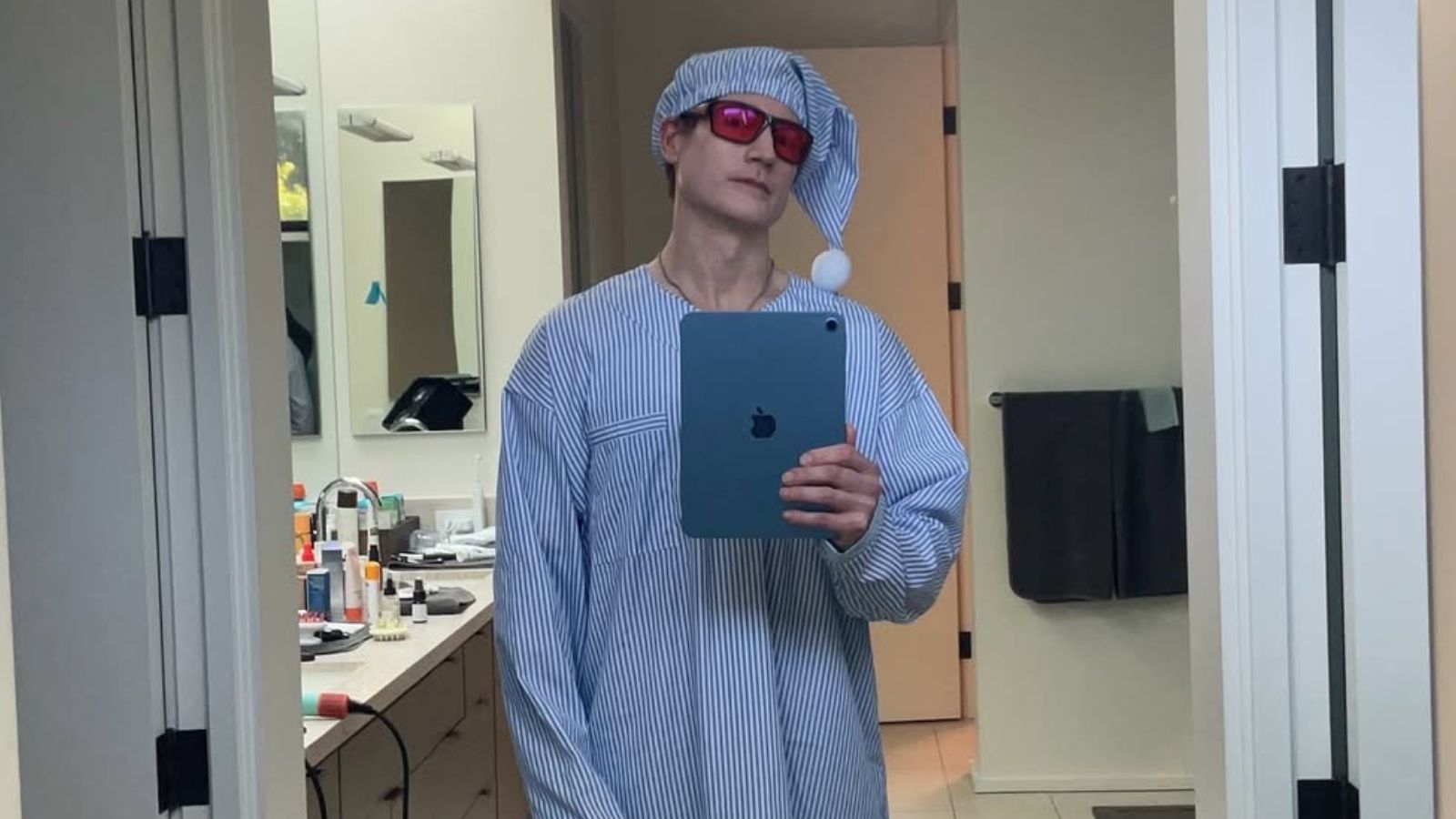
Bryan Johnson has once again sparked widespread discussion after claiming on X: “I just cloned myself…as a newborn.” He went on to explain what he believes this technology could eventually enable, writing that with this “clone” he could “+ become my own blood boy + test therapies on the clone + grow organs for transplantation + develop new treatments + inject young cells.” He added, “This baby-bryan lives in a petri dish for now. This may be scary to some people…a dystopian future. But, for others, they will see it as the inevitable future of health.”
DISCLAIMER: This article is based on information from the public domain and/or the experts we spoke to. Always consult your health practitioner before starting any routine.
Johnson also described what he says was the scientific process behind the experiment: “> blood draw > my cells were extracted > yamanaka factors applied > reset epigenetic age > restoring them to an embryonic-like state.” Explaining the purpose, he wrote, “> these cells are now pluripotent > can be differentiated into hundreds of cell types > i.e. neurons, cardiomyocytes, retinal cells, etc > allowing me to rebuild my body > organ by organ > repairing lost eyesight or hearing > restoring kidney, liver or lung function > repairing skin damage > there’s no real limitation in imagining > my body will accept them bc they’re my cells > foreign cells are at risk of being rejected.”
He further claimed, “As cells age, they accumulate epigenetic errors compounding into dysfunction and disease. This technology gives us a path to reverse ageing.” Referring to his own health journey, Johnson added, “I mentioned getting diagnosed with an incurable disease is one of the best things that has happened to me in a long time. It’s opened up a frontier of new paths to repair and strengthen the body. This is the first example.”
However, readers quickly added important context, noting that Johnson did not create a human clone. What he described—using Yamanaka factors to reprogram adult cells into induced pluripotent stem cells (iPSCs)—creates stem cells capable of developing into many specialised cell types, not a genetically separate human copy. Human cloning is not currently possible. As regenerative medicine continues to advance, the claims have also raised questions about what today’s science can genuinely achieve, what remains experimental, and where the line lies between scientific possibility and public misunderstanding.
What induced pluripotent stem cells really are
Dr Palleti Siva Karthik Reddy, MBBS, MD, general medicine, FAIG, Consultant physician at Elite Care Clinic, tells indianexpress.com, “Induced pluripotent stem cells, or iPSCs, are adult cells that have been reprogrammed back into a stem cell-like state using a set of genes known as Yamanaka factors. This process allows mature cells, such as skin or blood cells, to regain the ability to develop into many different cell types found in the body. The technology is a major scientific breakthrough because it enables researchers to study diseases and explore regenerative therapies without using embryonic stem cells.”
I just cloned myself…as a newborn
With this clone, I can:
+ become my own blood boy
+ test therapies on the clone
+ grow organs for transplantation
+ develop new treatments
+ inject young cellsThis baby-bryan lives in a petri dish for now.
This may be scary to some… pic.twitter.com/Ved8ij9Col
— Bryan Johnson (@bryan_johnson) July 21, 2026
However, Dr Reddy mentions that describing iPSCs as a human clone is scientifically incorrect. “A clone refers to the creation of a genetically identical organism, whereas iPSCs are simply reprogrammed cells derived from an individual. They do not develop into a complete human being on their own, nor do they represent a cloned person. What Johnson has created are laboratory-grown cells that carry his genetic material, not a newborn version of himself.”
Which stem cell therapies are close to reality?
Some applications of iPSC technology are already entering early clinical practice, Dr Reddy states, while others remain largely experimental. “The strongest evidence currently exists in ophthalmology, where stem cell-derived retinal cells are being studied for certain forms of vision loss, with some encouraging clinical results. There are also ongoing clinical trials investigating stem cell-based approaches for conditions such as Parkinson’s disease, spinal cord injury, and certain cardiac disorders.:
Story continues below this ad
When it comes to regenerating complex organs such as kidneys, livers, lungs, or growing fully functional transplantable organs, the science is still in the research phase. “Researchers have successfully created organoids, which are miniature organ-like structures in the laboratory, but these are not yet capable of replacing a full human organ. Similarly, restoring hearing through stem cell therapy remains an area of active investigation rather than established treatment. While the long-term potential is significant, claims about routinely rebuilding the human body organ by organ are not supported by current clinical evidence,” says Dr Reddy.
Separating real breakthroughs from hype
Quick Quiz
See if you can answer this:
What is the best way to tell the difference between a genuine medical breakthrough and scientific hype?
A. Believe any headline that promises age reversal or dramatically longer life.
Story continues below this ad
B. Check whether the treatment has been proven safe and effective in well-conducted human clinical trials.
C. Assume that results from animal studies will always work in humans.
D. Judge the discovery by how popular it is on social media.
Reveal the answer
✅ Correct answer: B
Dr Reddy explains that exciting findings in laboratory or animal studies do not automatically become safe medical treatments. The strongest evidence comes from well-designed human clinical trials that demonstrate both safety and effectiveness. He also cautions that regenerative medicine still faces important scientific, safety and ethical challenges, including the risk of tumour formation, long-term reliability and equitable access.
Story continues below this ad
DISCLAIMER: This article is based on information from the public domain and/or the experts we spoke to. Always consult your health practitioner before starting any routine.

Leave a Reply