
3 min readNew DelhiSep 26, 2026 03:00 PM IST
High blood pressure does not always cause obvious symptoms, so how do you know when a reading needs urgent medical attention? While one high reading may need to be rechecked, a very high BP reading, particularly when accompanied by certain symptoms, should not be ignored.
DISCLAIMER: This article is based on information from the public domain and/or the experts we spoke to. Always consult your health practitioner before starting any routine.
When does high BP require urgent attention?
“A blood pressure of 180/120 mmHg or higher is considered severely high and requires prompt attention,” Dr Aarti Ullal, Physician and Diabetologist at Gleneagles Hospital Parel, tells indianexpress.com.
If your reading reaches this level, don’t panic, but don’t ignore it either. Repeat the measurement after a few minutes. If it remains at 180/120 mmHg or higher, seek urgent medical advice.
More importantly, very high BP accompanied by certain symptoms can require emergency care.
 Warning signs: Chest pain, severe breathlessness, severe headache, confusion, weakness or numbness on one side, difficulty speaking, vision changes or loss of consciousness
“…chest pain, severe breathlessness, severe headache, confusion, weakness or numbness on one side, difficulty speaking, vision changes or loss of consciousness requires emergency medical attention, regardless of whether the person has previously been diagnosed with hypertension,” Dr Aarti Ullal cautions.
So, if a person has a very high BP reading along with any of these symptoms, they should seek emergency medical attention rather than waiting for the BP to settle on its own.
Story continues below this ad
What should you do after a high BP reading?
Not every high reading means there is an immediate emergency. Blood pressure can temporarily rise because of stress, pain, exercise, caffeine, smoking or even an incorrectly fitted cuff.
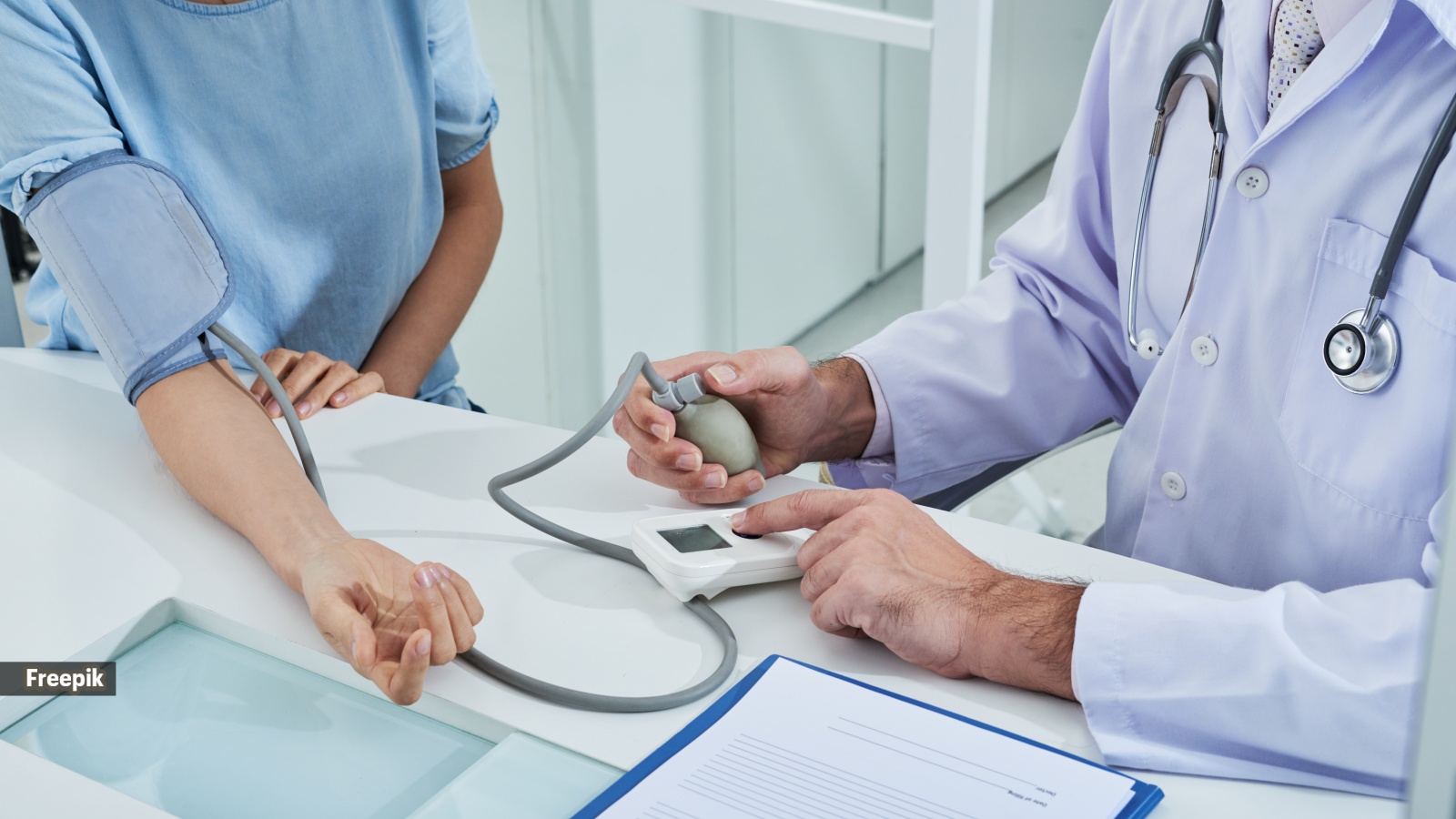
If you get a high reading, sit quietly for about five minutes before checking it again. Keep your feet on the floor and avoid talking while measuring. A validated upper-arm BP monitor and the correct cuff size can also help ensure a more accurate reading.
“A lower reading after resting may mean that stress, activity or another temporary factor contributed to the initial high reading,” says Dr Aarti Ullal.
However, repeated high readings should not be dismissed. “It is useful to keep a record of BP readings taken correctly at different times and discuss the pattern with a doctor,” Dr Aarti Ullal concludes.
Story continues below this ad
DISCLAIMER: This article is based on information from the public domain and/or the experts we spoke to. Always consult your health practitioner before starting any routine.

Leave a Reply