
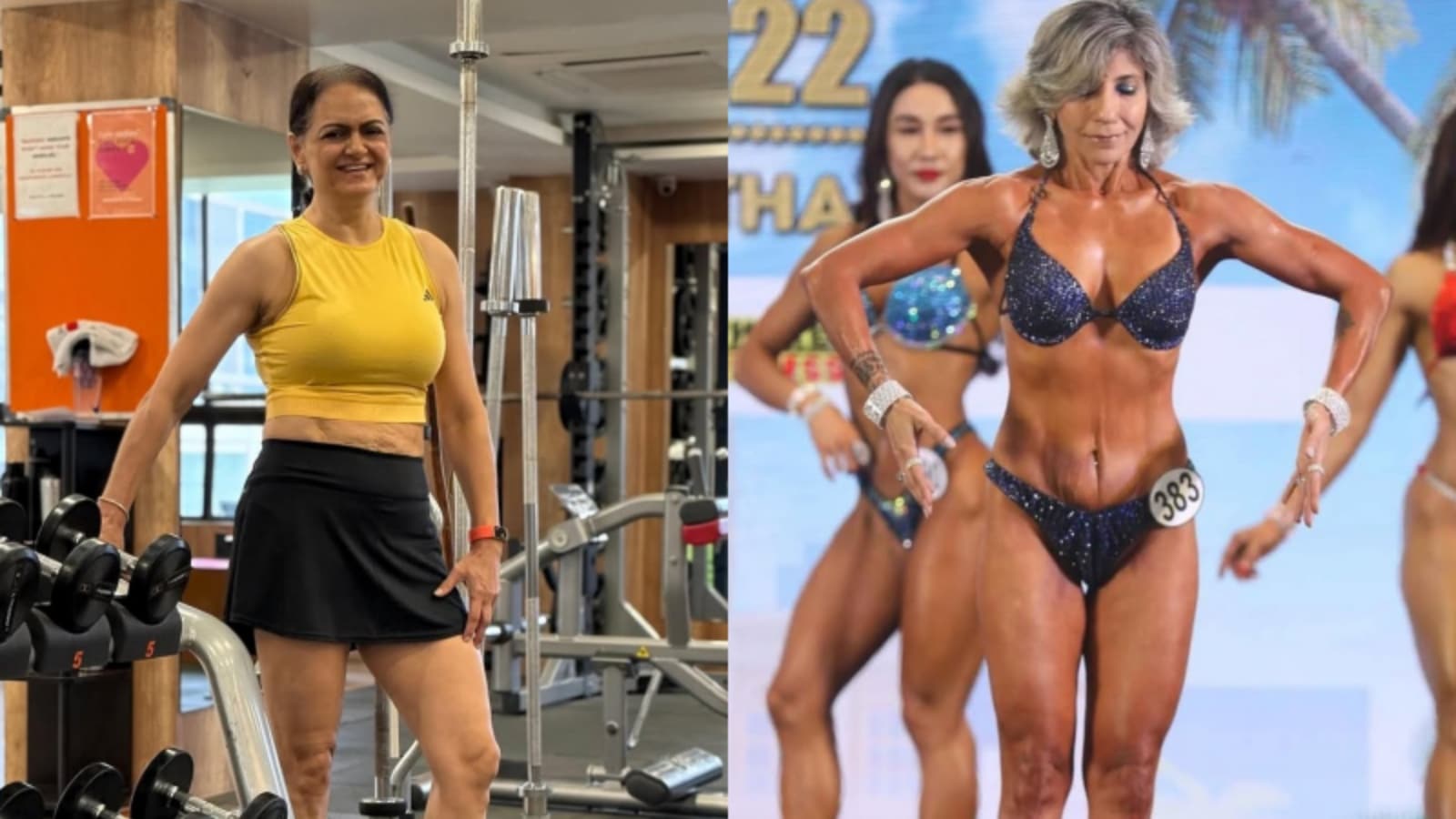
For decades, ageing was stereotypically associated with slowing down, reduced movement, increased rest, and a gradual withdrawal from physical exertion. But that narrative is shifting. Across India, people in their late 50s and well into their 60s are rewriting what ageing looks like. From gym floors to home workouts, this generation is proving that fitness isn’t just for the young; it’s a way of being. And the best place to find this transition is social media, where fitness influencers, from 57-year-old not.just.a.grandma to 68-year-old weightliftermummy, are setting a precedent for their contemporaries to not take fitness for granted.
“I want to be my super-strong 60”
For 59-year-old Nishrin Parikh, turning 60 isn’t a milestone to dread; it’s a goal to train for. Her journey began at just 15, when she became a black belt in karate and joined the national team. Marriage, children, and responsibilities followed, but fitness never took a backseat.
As a fitness model in her late 50s, Parikh lives her life completely in a “warrior spirit.” “Every moment, there will be challenges, but how you combat them is what defines you,” she shares.
That mindset has carried her through decades of disciplined movement, from karate practice to weight training, which she considers essential for building strength behind every punch. Even after a hysterectomy at 48, a moment she describes as a “setback,” she doubled down on fitness and nutrition.
Today, she stands disease-free. “No diabetes, no hypertension, no osteoarthritis. My blood work is something you could frame,” she quips. Her advice is simple. “Prioritise muscle. Everything in your body is muscle. As we age, we lose it. So you have to actively build it.”
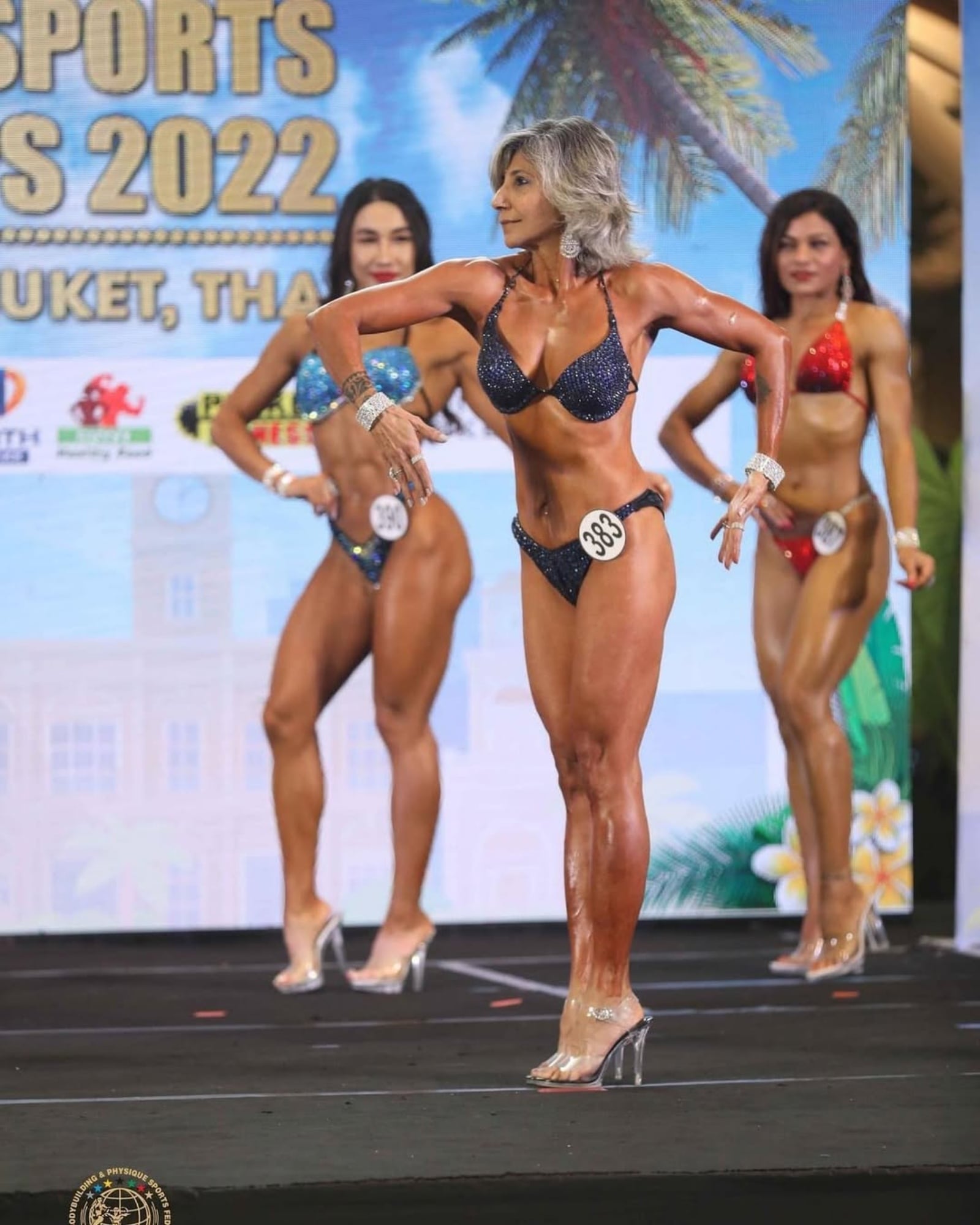 Nishrin Parikh (59) is a fitness model, karate black belt, yoga and pilates instructor (Photo: Instagram/nishriinparikh)
The rise of the 60+ fitness influencers
Gym trainers are witnessing this shift firsthand. According to Ritik Kashyap, instructor at Wellness Gym, Mayur Vihar, the number of senior citizens joining gyms has noticeably increased over the past 4–5 years, especially post-pandemic. “After COVID, people became more aware of their health. Seniors now want to maintain their fitness rather than deal with problems later,” he tells indianexpress.com.
While currently around 10–20% of gym-goers may be older adults, the numbers are steadily growing. According to Anil Chandela, Manager at Gold’s Gym, Dwarka, the presence of senior citizens in fitness spaces has steadily grown over the years. At his facility alone, around 25 members are aged 60 and above. He notes that they are not aiming for any drastic transformations. “Their focus is largely on burning calories, maintaining mobility, and building sustainable habits.”
Story continues below this ad
Their workouts are tailored, lighter weights, low-intensity cardio, and a strong focus on flexibility and balance. But what stands out is their attitude. “They enjoy it,” adds Kashyap. “They feel better, sleep better, and even manage blood sugar and cholesterol more effectively.”
Diet, too, plays a central role, emphaises Kashyap. “Most seniors prefer home-cooked meals, but trainers encourage higher protein intake, multiple vegetables, and low-oil cooking.”
For 65-year-old Renu Sidhu, fitness wasn’t always a profession; it was “a personal evolution.”
A grandmother and a mother of three, Sidhu opened her gym in Ahmedabad at the age of 54. At 56, she began weightlifting. Today, at 65, her routine is structured and disciplined:
Story continues below this ad
- Strength training three times a week
- Functional and HIIT workouts for core and stability
- Cardio sessions and stretching
- Weekly cycling or rest days
Her goal? “To age gracefully, physically strong and mentally balanced.”And she’s not just talking. Her achievements include a gold medal in powerlifting, fitness competition wins, and national recognition.
Why this shift is happening now
According to Dr Meenal Thakral, a geriatric expert, this movement is rooted in awareness. “Senior citizens today understand that staying active is key to living longer and better,” she explains. “There’s more access to health information, and people want to remain independent rather than dependent.”
The pandemic acted as a catalyst. It highlighted the importance of immunity, physical resilience, and underlying health conditions, prompting many older adults to take charge of their wellbeing.
Social media, wellness campaigns, and visible role models have also played a role in normalising fitness at older ages, explains Dr Thakral. She elaborates that fitness in later years isn’t just about looking good, it’s about function, longevity, and quality of life.
Regular exercise helps:
- Strengthen the heart and improve circulation
- Maintain muscle mass and bone density
- Enhance balance and reduce fall risk
- Manage chronic conditions like diabetes and hypertension
But the benefits aren’t just physical. “Exercise reduces stress, improves mood, and lowers the risk of depression and cognitive decline,” she says. “It keeps both the body and mind active.”
Story continues below this ad
For many seniors, this translates into something invaluable, “independence,” as reiterated by Parikh and Sidhu.
What works best after 60
Contrary to popular belief, fitness in older age doesn’t require extreme routines. In fact, the most effective workouts are often the simplest.
Dr Thakral recommends:
- Walking for cardiovascular health
- Light strength training to preserve muscle
- Yoga and stretching for flexibility
- Swimming for low-impact endurance
- Balance exercises to prevent falls
“You don’t need to overdo it,” she says, “Even 20–30 minutes a day is enough if done regularly.”
Nutrition becomes even more critical with age. Parikh highlights a common pitfall, especially among vegetarians: excess carbs and low protein. “Look into your macros,” she advises. “Protein is essential, about one gram per kilo of body weight.”
Story continues below this ad
She also advocates mindful eating. Traditional treats like samosas and gulab jamun, while enjoyable, don’t contribute to long-term health. “It’s about being wise with what you put in your body,” she says. “That’s what fuels your energy.”
Challenges
One of the biggest challenges for seniors is knowing how much is enough. The answer lies in balance, says Dr Thakral. “Rest days are essential for recovery, and overexertion can do more harm than good. Listening to the body, recognising fatigue, pain, or discomfort is crucial. Adequate sleep, hydration, and nutrition support this balance, ensuring that fitness remains sustainable rather than exhausting.”

Leave a Reply