

Bear Grylls, best known for his show Man Vs. Wild, recently took to Instagram to share that after being vegan for five years, he lost a lot of strength. However, he later fixed it with organ meat, including liver, heart, and kidney.
He wrote, “At 52, I feel fitter, stronger, healthier now than 10 years ago. (Not totally invincible, and I still have battles, but have transformed).”
However, does this sudden shift to organ meat have any side effects? We asked a dietitian to learn more.
DISCLAIMER: This article is based on information from the public domain and/or the experts we spoke to. Always consult your health practitioner before starting any routine.
‘The balance of nutrients matters’
The claim that Bear Grylls lost strength after going vegan and addressed it by reintroducing organ meats such as liver, heart, and kidney highlights an important aspect of nutrition.
Dietitian Garima Goyal says, “The quality, quantity and balance of nutrients matter more than simply whether a diet is plant-based or animal-based.”
“Organ meats are nutrient-dense foods. Liver is particularly rich in vitamin B12, iron, vitamin A and folate, while heart provides protein, iron and other B vitamins. These nutrients support red blood cell formation, oxygen transport, energy metabolism and normal muscle function,” she adds.
Will everyone following a vegan diet experience weakness?
Goyal says it would be incorrect to conclude that everyone following a vegan diet will experience weakness or that organ meats are essential for maintaining strength.
Story continues below this ad
“A well-planned vegetarian or vegan diet can support muscle strength and physical performance. The key is ensuring adequate calorie intake, sufficient protein, and appropriate micronutrient intake,” she explains.
Protein-rich vegetarian foods include milk, curd, paneer, Greek yoghurt, soy products, lentils, chickpeas, kidney beans, nuts and seeds.
“Vegans can particularly benefit from tofu, tempeh, soy milk and other protein-rich legumes. Combining these foods with progressive resistance training and adequate recovery can support muscle development,” Goyal says.
She adds, “People following restrictive diets should pay attention to nutrients such as vitamin B12, iron, vitamin D, calcium and zinc. Vitamin B12 requires particular attention in vegan diets because unfortified plant foods are not reliable sources. Iron deficiency can also contribute to fatigue, weakness and reduced exercise capacity. Fortified foods and supplements may be necessary, depending on individual requirements.”
Story continues below this ad
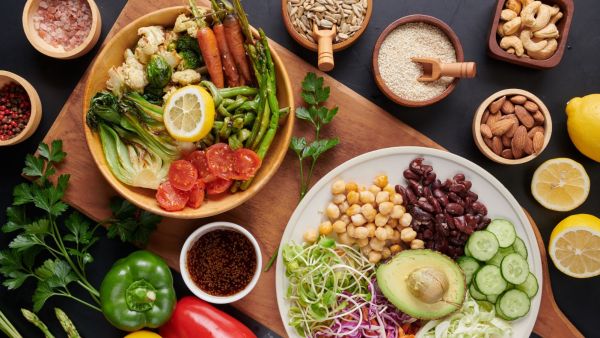 A well-planned vegan diet can support muscle strength and physical performance when it provides adequate calories, protein and essential micronutrients. (Image Source: Freepik)
However, she says that if someone experiences a noticeable decline in strength or persistent fatigue after changing their diet, the answer is not necessarily to abandon vegetarianism or start consuming organ meats.
“Inadequate calorie intake, insufficient protein, iron deficiency, vitamin B12 deficiency, poor sleep, and excessive training are among the possible explanations. A clinical assessment and appropriate blood tests can help identify the underlying cause,” she explains.
Strength depends on adequate nutrition, training, recovery, and overall health, not on eating one particular food. Both vegetarian and non-vegetarian diets can support strength when they are nutritionally balanced and tailored to an individual’s needs.
DISCLAIMER: This article is based on information from the public domain and/or the experts we spoke to. Always consult your health practitioner before starting any routine.

Leave a Reply