
3 min readNew DelhiMay 10, 2026 12:00 PM IST
It’s the kind of question that makes you pause mid-scroll. On Quora, someone asked: “Are bones wet? They must be, right? Why? Is the circulatory system not a closed system?” It sounds simple, but the answer reveals just how misunderstood our own bodies can be. Curious, we decided to reach out to experts and solve the mystery.
DISCLAIMER: This article is based on information from the public domain and/or the experts we spoke to. Always consult your health practitioner before starting any routine.
Not dry structures, but living organs
“Human bones are not the dry, hard structures that skeleton models imply. They are living organs, dynamic, moist, vascular, and metabolically active during your whole life,” clarifies Dr Vivek Mahajan, Chief of Joint Replacement and HOD–Orthopedics at ISIC Multispeciality Hospital.
Bones are made up of a dense outer layer (compact bone) and a porous, lattice-like inner structure (cancellous bone). At a microscopic level, they consist of collagen fibres reinforced with mineral crystals, along with living cells that constantly build and break down bone tissue.
So, are bones actually wet?
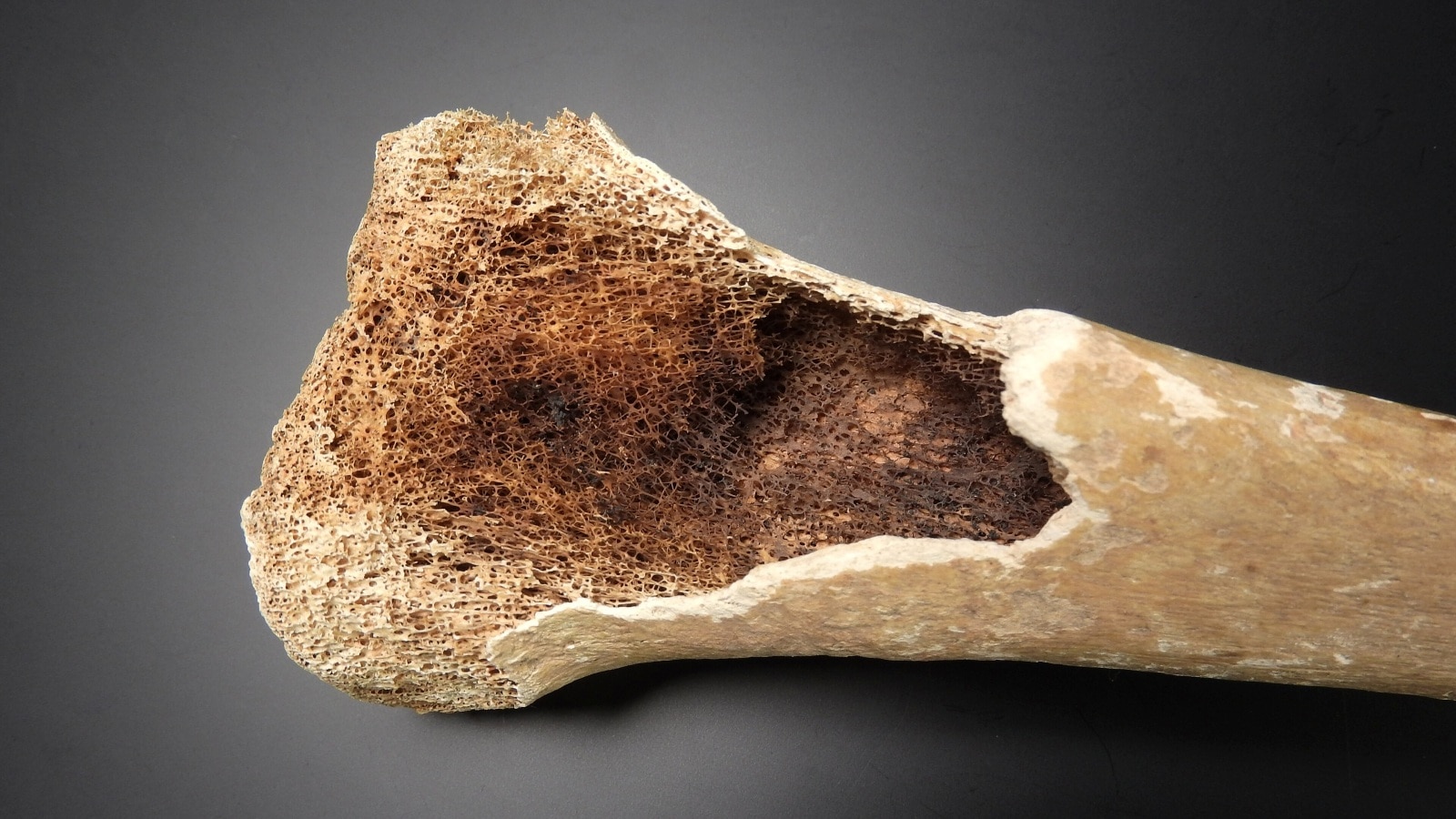 “Bones are not closed to circulation, but are deeply involved in it,” says Dr Mahajan (Image: Wikimedia Commons)
“Bones are unquestionably wet. Living organisms have about 25 per cent water in their bodies,” Dr Mahajan explains.
Inside bones, the marrow is highly vascular and plays a crucial role in hematopoiesis—the production of blood cells—making bones active, fluid-filled environments rather than dry structures.
But what about the “closed” circulatory system? The orthopaedician notes that there is no contradiction here. “The blood in the bone is carried by special vessels: the periosteal arteries serve the outer cortex, and the nutrient artery enters the shaft and nourishes the marrow. Blood flows in the bone tissue as it flows in any other organ, and it is carried back through the venous channels. The system is closed; bone is merely one of its numerous stops,” he says.
Story continues below this ad
Why this matters and why do bones look dry?
This internal blood supply becomes especially important when a bone is injured.
“This vascular network is critical when fractures are present. The fracture site bleeds to create a hematoma – the basis of healing. Osteoblasts move in, deposit new matrix, and slowly reconstruct structure in weeks and months,” Dr Mahajan explains.
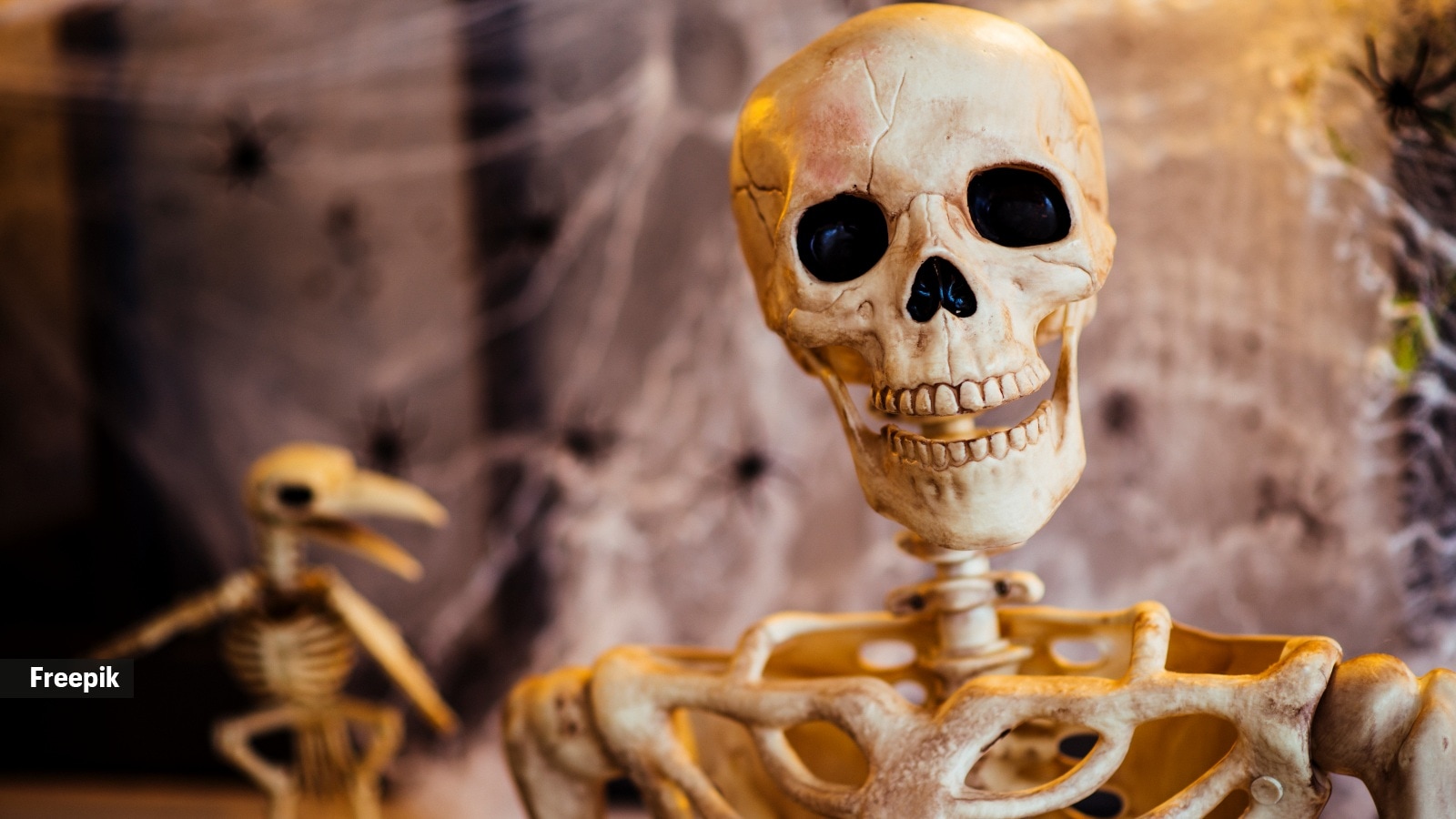
But then why do they seem dry? What we usually see—museum skeletons or models—is far from what living bone is like.
“Bones do not become dry until the circulation is interrupted by death. In the absence of blood circulation, moisture is lost, marrow decays, and organic matter decays gradually, leaving only the mineralized skeleton. Museum bones and models depict bone deprived of all that once gave it life,” Dr Mahajan concludes.
Story continues below this ad
DISCLAIMER: This article is based on information from the public domain and/or the experts we spoke to. Always consult your health practitioner before starting any routine.

Leave a Reply