
4 min readNew DelhiJul 20, 2026 06:00 AM IST
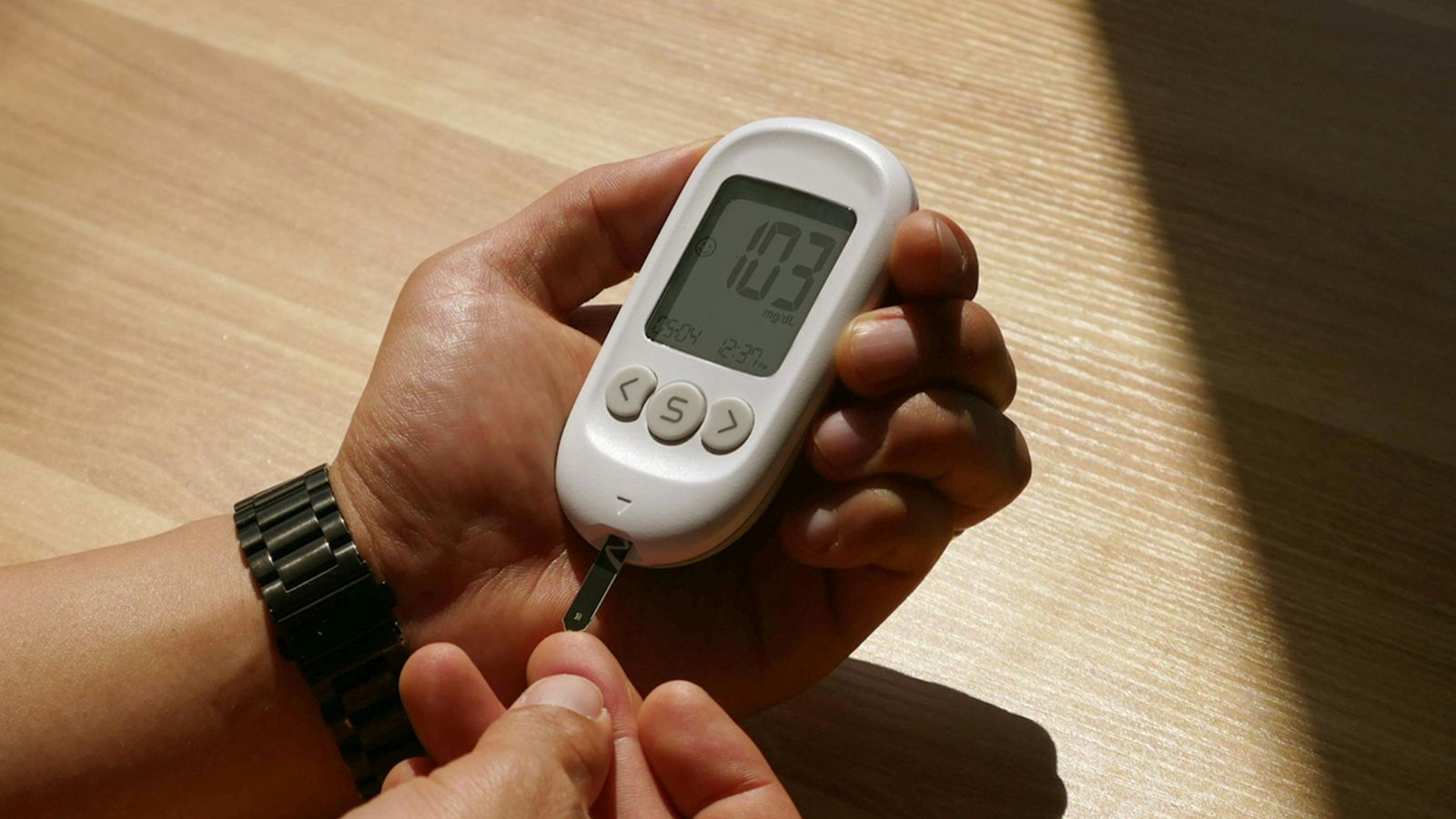
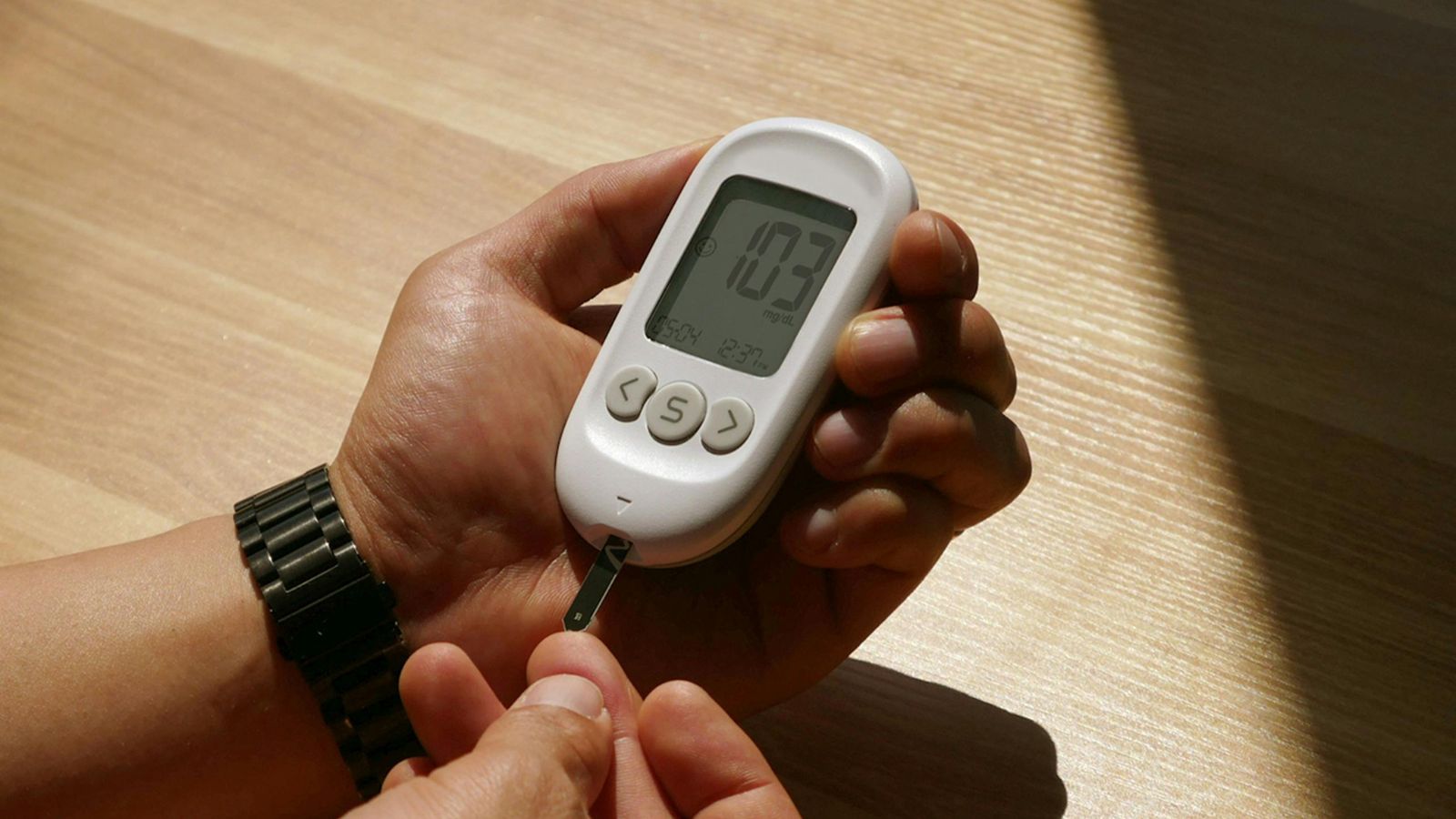
Blood sugar, once a topic discussed mainly by people living with diabetes, has become one of the biggest health conversations on social media. From influencers demonstrating continuous glucose monitors (CGMs) to videos warning against eating fruit on an empty stomach or recommending elaborate meal sequencing to ‘avoid glucose spikes’, there is no shortage of advice claiming to help people keep their blood sugar perfectly stable. As a result, many healthy individuals are becoming increasingly anxious about every rise in their glucose levels.
DISCLAIMER: This article is based on information from the public domain and/or the experts we spoke to. Always consult your health practitioner before starting any routine.
However, blood sugar naturally rises after eating, as the body digests carbohydrates and uses glucose for energy. This raises an important question: are all glucose spikes a cause for concern, or has social media blurred the line between normal physiology and genuine health risks? We asked an expert to separate evidence from online hype and explain when glucose spikes are normal, when they may signal an underlying problem, and what people should focus on instead.
Are post-meal glucose spikes normal?
Kanikka Malhotra, Consultant Dietician & Diabetes Educator, tells indianexpress.com, “Post-meal glucose spikes are a normal part of healthy metabolism. Whenever we eat carbohydrates, blood sugar naturally rises as glucose enters the bloodstream, and in a healthy body, insulin manages this efficiently, bringing levels back down within one to two hours. This is expected physiology, not dysfunction. The concern arises when spikes are unusually high, frequent, or slow to return to baseline, since this can indicate insulin resistance developing over time.”
As a general marker, Malhotra says that blood sugar “consistently rising above 140 mg per dL after meals, or fasting levels above 100 mg per dL, warrants medical attention.” She adds that occasional spikes from a festive meal or dessert are not harmful for most healthy individuals. What matters more is the overall pattern across weeks and months, along with recovery time. For healthy people, chasing flat blood sugar lines constantly is unnecessary, since some fluctuation reflects normal digestion rather than metabolic damage.
Which blood sugar tips are backed by science?
Quick Quiz
Before reading on, see if you can answer this:
Which blood sugar habit has the strongest scientific evidence behind it?
A. Avoiding all fruit on an empty stomach.
Story continues below this ad
B. Constantly tracking glucose with a Continuous Glucose Monitor, even if you don’t have diabetes.
C. Eating vegetables and protein before carbohydrates and taking a short walk after meals.
D. Eliminating all carbohydrates from your diet.
▼ Reveal the answer
✅ Correct answer: C
According to Malhotra, research suggests that eating vegetables and protein before carbohydrates can help reduce post-meal blood sugar spikes, while walking after meals helps muscles clear glucose from the bloodstream more efficiently. In contrast, strict rules about avoiding fruit on an empty stomach and routine glucose monitoring in healthy individuals have far less scientific support.
Healthy blood sugar without obsession
For people without diabetes, constant worry about every glucose spike can do more harm than good. This hypervigilance often leads to unnecessary food restriction, fear around naturally sweet foods like fruit, and disordered eating patterns disguised as health consciousness. Healthy metabolism is designed to handle normal fluctuations, and obsessing over minor rises can create stress that itself affects blood sugar regulation negatively.
Story continues below this ad
“Practical, evidence-based habits matter far more than tracking every spike. These include eating balanced meals with fibre, protein and healthy fats, walking for ten to fifteen minutes after meals, prioritising sleep since poor sleep worsens insulin sensitivity, and managing stress levels through regular activity. Limiting ultra-processed foods and refined sugar in excess remains far more impactful than monitoring individual meal responses. For most people, building sustainable habits around movement, sleep and balanced eating supports better long-term blood sugar control than anxiety-driven food restriction ever will,” concludes Malhotra.

Leave a Reply