
3 min readNew DelhiJun 13, 2026 10:57 AM IST
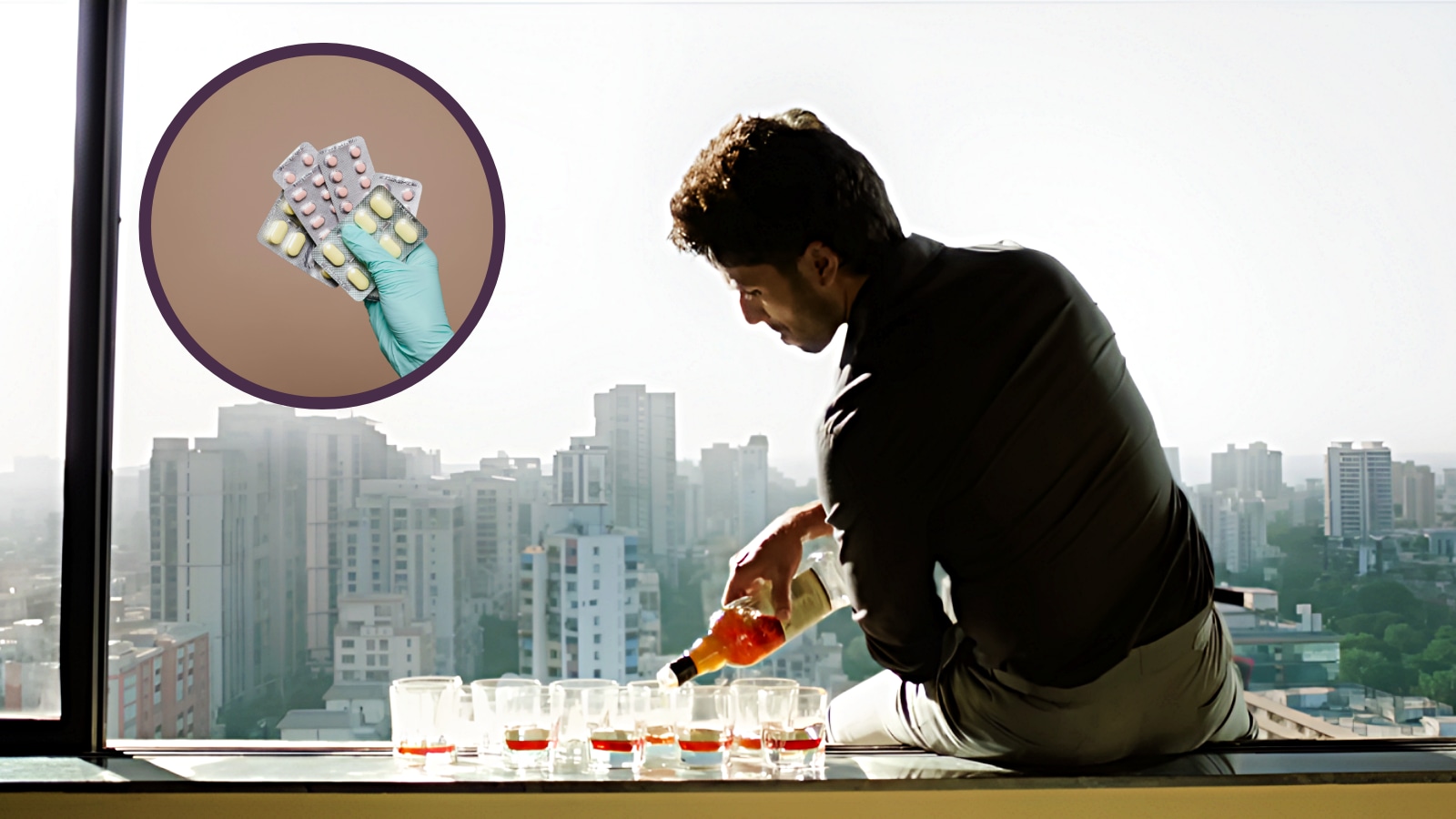
You might be tempted to have a drink while recovering from an infection, especially if you’re feeling slightly better. But doctors say mixing alcohol with antibiotics is one of the most common — and avoidable — mistakes people make during treatment.
Dr Manjusha Agarwal, Senior Consultant Internal Medicine, Gleneagles Hospital, Parel, Mumbai, clearly advises against it. “Alcohol can reduce the effectiveness of some antibiotics and increase side effects like nausea, dizziness, and liver strain,” she explains. “When taken together, alcohol can interfere with how the body breaks down medicines, making recovery slower and increasing the risk of unwanted reactions.”
DISCLAIMER: This article is based on information from the public domain and/or the experts we spoke to. Always consult your health practitioner before starting any routine.
Some combinations can be especially dangerous
While alcohol is best avoided with all antibiotics, certain medicines can trigger particularly unpleasant reactions. “Antibiotics like metronidazole, tinidazole, and some cephalosporins can cause severe reactions with alcohol, including vomiting, headache, and rapid heartbeat,” says Dr Agarwal. “It’s safest to avoid alcohol until the full course of these medicines is completed.”
These reactions happen because alcohol and the antibiotic compete in the liver, disrupting normal breakdown and leading to a buildup of toxic by-products in the body.
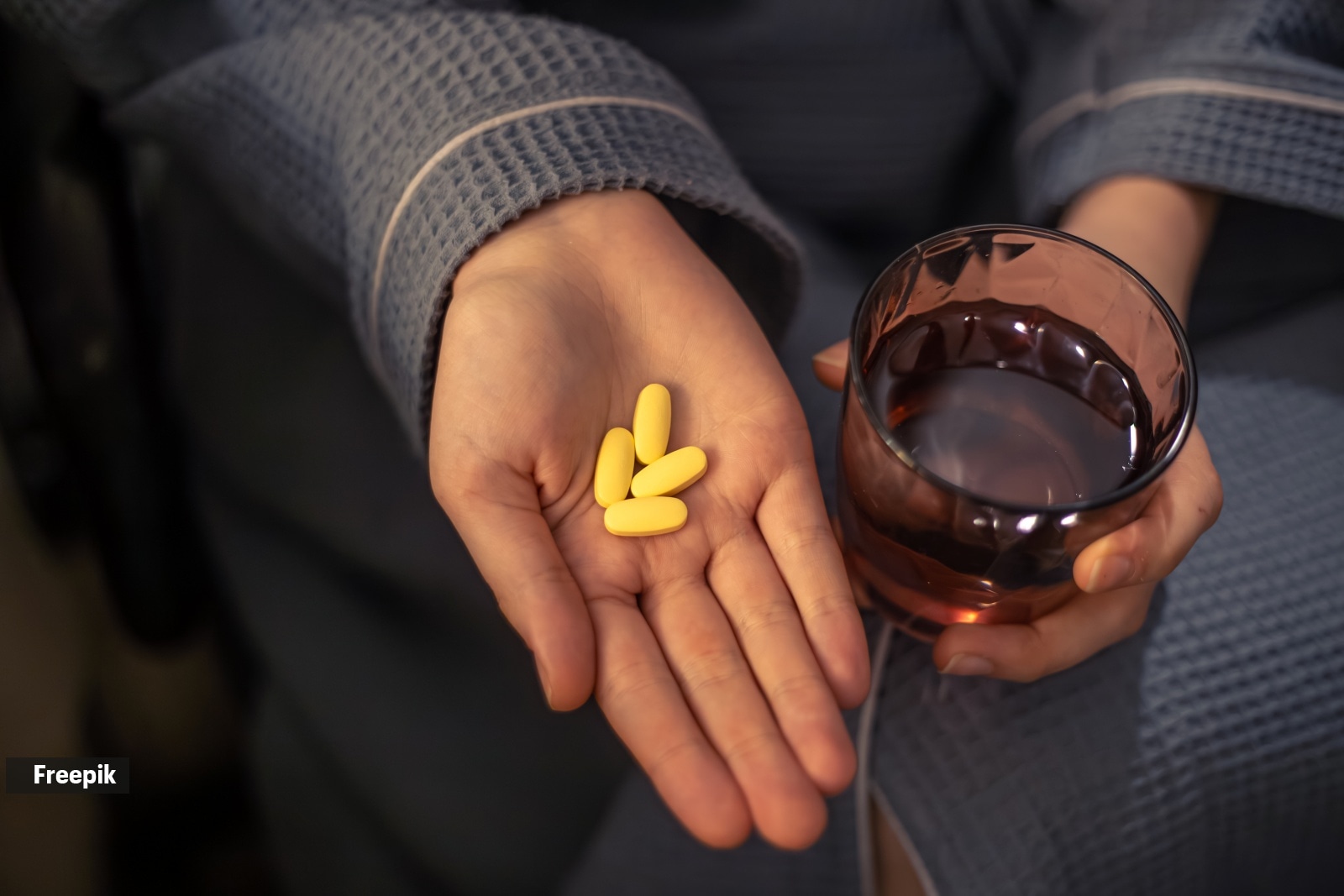 It is not recommened to consume alcohol during antibiotic treatment (Image: Freepik)
Can consuming alcohol during antibiotic treatment slow down recovery?
Beyond immediate side effects, alcohol can also affect how well the treatment works. “Alcohol can reduce how well antibiotics work by weakening the immune system and slowing healing,” Dr Agarwal notes. “It can also affect how the body absorbs and processes the medicine, leading to lower drug levels and delayed recovery.”
This means that even if symptoms seem to improve, the infection may take longer to clear — or could return.
Story continues below this ad
Many people assume that a small amount of alcohol won’t matter, but that isn’t always true. “The risk depends on the antibiotic and the amount of alcohol, but even one drink can cause problems with certain medicines,” she cautions.
Her advice is simple and firm: “As a simple rule, avoid alcohol completely while taking antibiotics and for at least 48 hours after finishing the course. This helps your body heal faster and prevents unwanted side effects or even treatment failure.”
DISCLAIMER: This article is based on information from the public domain and/or the experts we spoke to. Always consult your health practitioner before starting any routine.

Leave a Reply