
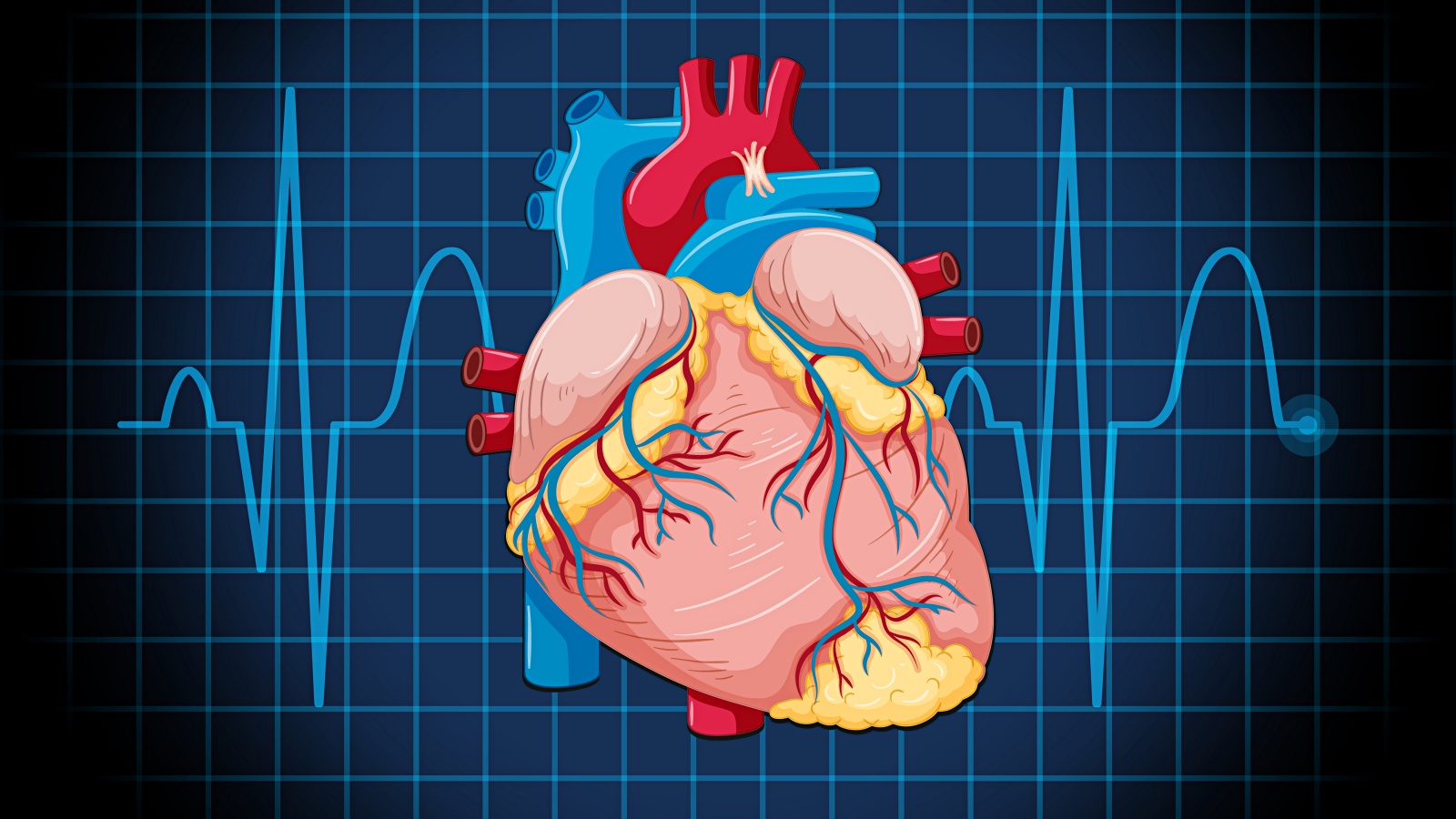
Cardiac arrest can happen suddenly, causing a person to collapse, become unresponsive and stop breathing normally. It occurs when the heart stops pumping blood effectively, depriving the brain and other vital organs of oxygen.
Recognising the signs and acting immediately can improve the person’s chances of survival.
“If you witness a suspected cardiac arrest, act immediately,” Dr Punya Pratap Kujur, Consultant Cardiologist at Gleneagles Hospital, Parel, Mumbai, tells indianexpress.com, explaining the next steps below.
DISCLAIMER: This article is based on information from the public domain and/or the experts we spoke to. Always consult your health practitioner before starting any routine.
Check if the person is responsive and breathing normally
First, check whether the person responds when you try to get their attention and whether they are breathing normally.
“If the person is unresponsive and not breathing normally, assume cardiac arrest,” Dr Kujur advises. Don’t mistake occasional gasping for normal breathing.
Call for help and start CPR
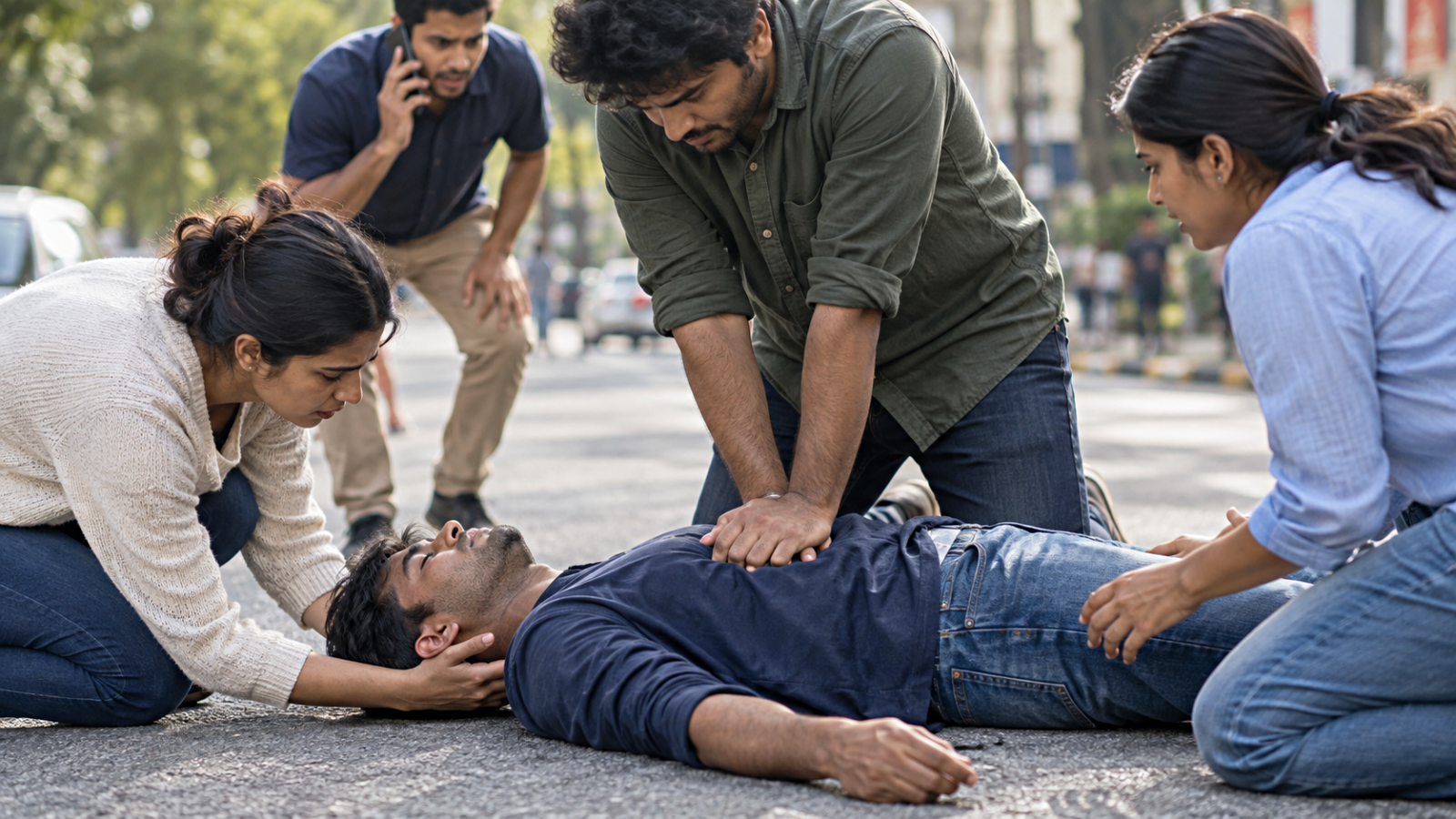 Place both hands in the centre of the chest and push hard and fast at about 100–120 compressions per minute, allowing the chest to come back up after each compression (AI-generated image)
Do not spend too much time trying to determine what has happened or wait for the person to recover on their own. If they are unresponsive and not breathing normally, call for emergency medical help and begin CPR immediately.
Story continues below this ad
Call emergency services as soon as possible. If someone else is nearby, ask them to call for help while you attend to the person.
“Place both hands in the centre of the chest and push hard and fast at about 100–120 compressions per minute, allowing the chest to come back up after each compression,” says Dr Kujur.
Continue chest compressions until the person starts breathing normally, professional medical help takes over, or you can no longer continue. Do not delay CPR while waiting for medical assistance to arrive.
Avoid giving anything by mouth
Story continues below this ad
Do not give the person food, water or medicines by mouth, particularly if they are unconscious or not breathing normally. They may choke or aspirate.
“Do not leave the person alone or waste time looking for a pulse for too long,” Dr Kujur says. If the person is unresponsive and not breathing normally, the priority is to call for emergency help and begin chest compressions rather than lose valuable time.
Why immediate action matters
Cardiac arrest is a medical emergency, and every minute without CPR can reduce the chances of survival. “The most important thing is not to panic or wait for the person to recover on their own. Call for emergency help and begin chest compressions immediately,” says Dr Kujur.
Early action by a bystander or family member can make a life-saving difference.
Story continues below this ad
DISCLAIMER: This article is based on information from the public domain and/or the experts we spoke to. Always consult your health practitioner before starting any routine.

Leave a Reply