
Lifestyle coach Kait Willett recently explained why shorter women in their 40s may find weight loss more challenging. In a video, she said shorter women generally burn fewer calories at rest than taller women because they tend to have smaller bodies and may have less lean muscle mass. As a result, they may need to pay closer attention to their calorie intake and physical activity to maintain a calorie deficit.
“Very simply, you burn fewer calories at rest than someone of average height or larger stature. That’s the biggest reason. You’ve got less real estate,” Willett said, explaining that basal metabolic rate (BMR) refers to the number of calories the body needs to function at rest.
To illustrate the difference, she compared a person who is 6 feet 5 inches tall and weighs 230 pounds with a woman who is 5 feet 4 inches tall and weighs 120 pounds, noting that their BMRs would differ considerably. The same principle, she added, applies when comparing women of different heights.
DISCLAIMER: This article is based on information from the public domain and/or the experts we spoke to. Always consult your health practitioner before starting any routine.
“She’s 5’4″, 120. Okay, our basal metabolic rate, so the amount of calories we burn just living, is drastically different. But this also applies to a woman who’s 5’0″, and a woman who’s 5’9″, a Great Dane, and a Chihuahua,” she said in the video.
Willett also argued that shorter women may need to consume fewer calories to create a deficit. “And don’t let people online tell you, ‘Oh, 1,200 calories, you can’t, it’s a death number.’ It’s all relative,” she said.
She went on to explain that you can achieve a calorie deficit by reducing calorie intake, increasing physical activity, or combining both. For shorter women with less lean muscle mass, she suggested that increasing daily movement may be particularly important. “So, really, unless you want to starve yourself, if you don’t have a lot of lean body mass as a short woman, this output’s got to be through the roof,” she said.
Willett added that while 10,000 steps may be a useful benchmark for some, shorter women may need to walk as many as 15,000 steps a day to increase their energy expenditure. She stressed that calorie needs and activity levels vary from person to person, though her step-count comparisons should not be treated as universal weight-loss targets.
Story continues below this ad
But does being shorter mean women must eat significantly less or walk more to lose weight? Dt Amreen Sheikh, Chief Dietician at KIMS Hospitals, Thane, explains how body size, muscle mass and hormonal changes influence weight management, and why extreme calorie restriction is not the answer.
Do shorter women burn fewer calories at rest?
“Yes, generally,” says Sheikh, explaining that shorter women tend to have less body mass and may have less muscle tissue. Consequently, their bodies may burn fewer calories at rest than taller women’s.
Basal metabolic rate (BMR) refers to the energy the body needs to maintain essential functions, such as breathing, circulation and regulating body temperature, while at rest. Body size and composition influence these energy requirements, which is why two people may need different calorie amounts even with similar lifestyles.
Age can also affect weight management. “Hormonal changes during perimenopause and menopause can affect body composition, muscle mass and fat distribution,” Sheikh says.
Story continues below this ad
However, being shorter does not automatically make weight loss more difficult for every woman. Individual calorie requirements depend on several factors, including age, weight, activity levels and muscle mass. For shorter women, a lower daily energy requirement may also mean that the calorie deficit needed for weight loss is smaller.
Is eating 1,200 calories a day advisable?
Willett suggested that shorter women may need to eat less to create a calorie deficit. However, Sheikh cautions against treating 1,200 calories a day as a universal target.
“A 1,200-calorie diet is not a universal prescription for shorter women,” she says. “Calorie needs depend on age, weight, activity levels, muscle mass and overall health.”
Eating too little can make it harder to meet daily requirements for protein, vitamins and minerals. This is particularly important during midlife, when preserving muscle and bone health becomes a priority.
Story continues below this ad
An overly restrictive diet may also leave women feeling tired and hungry, making it difficult to sustain their eating habits over time. Instead, Sheikh recommends a moderate calorie deficit tailored to individual needs.
Do shorter women need to walk 15,000 steps a day?
“Fifteen thousand steps is not a requirement for weight loss,” Sheikh says. The right target depends on a woman’s current activity level, fitness, and joint health.
Women who are relatively inactive can begin with a manageable daily step count and gradually increase it as their stamina improves. Walking regularly can support overall physical activity, but it works best as part of a broader approach that includes balanced meals and strength training.
Sheikh advises against chasing a high step count at the expense of adequate nutrition and recovery. Consistency matters more than forcing the body to meet an arbitrary number of steps every day.
Story continues below this ad
Why is strength training important after 40?
“Muscle tissue contributes to energy expenditure, though the increase in resting calorie burn from gaining muscle alone is modest,” Sheikh explains.
Resistance exercises also support bone health, which is particularly relevant during the menopausal transition. Sheikh recommends two to three strength-training sessions a week, covering the major muscle groups, alongside regular walking and a balanced diet.
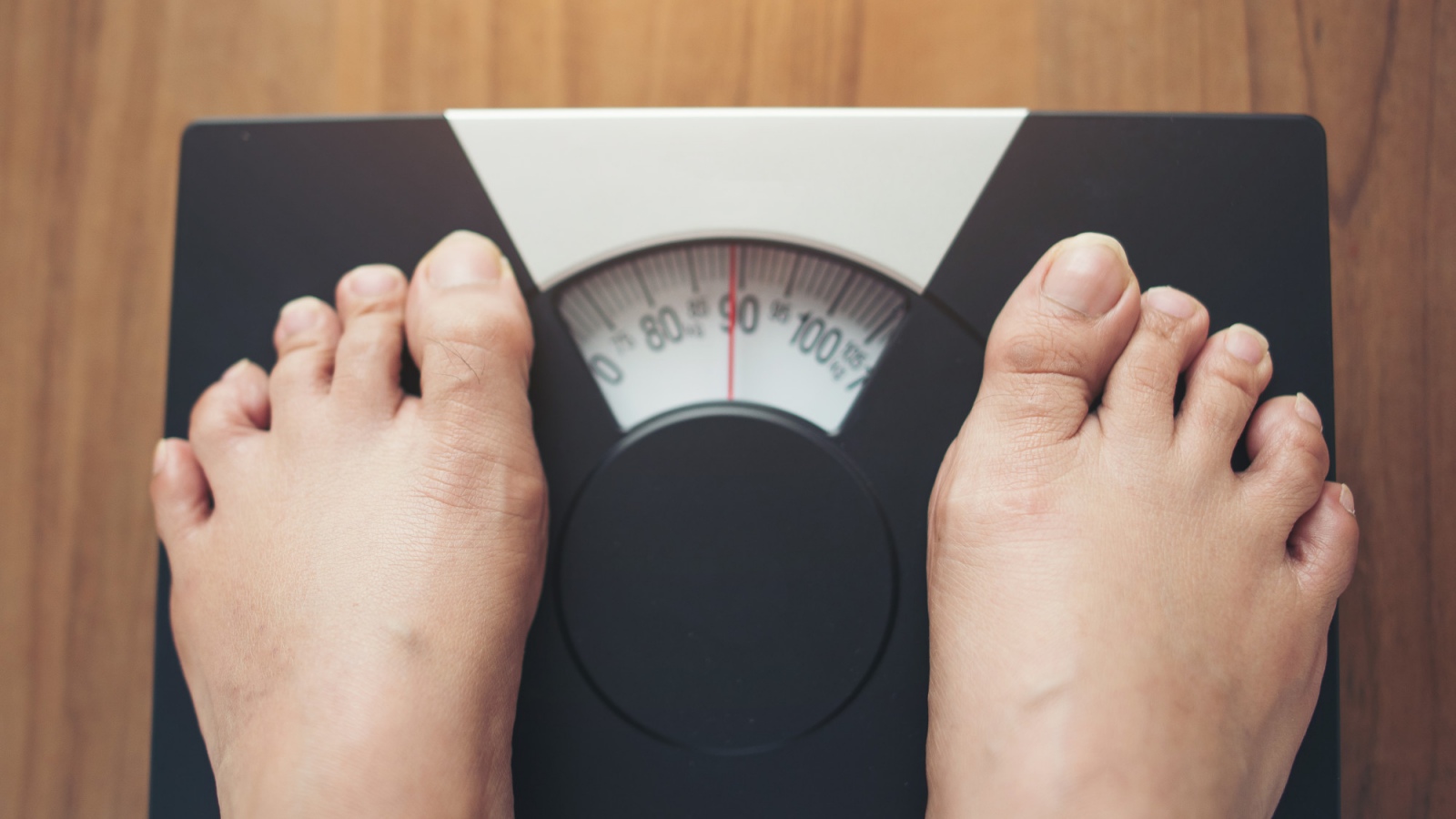
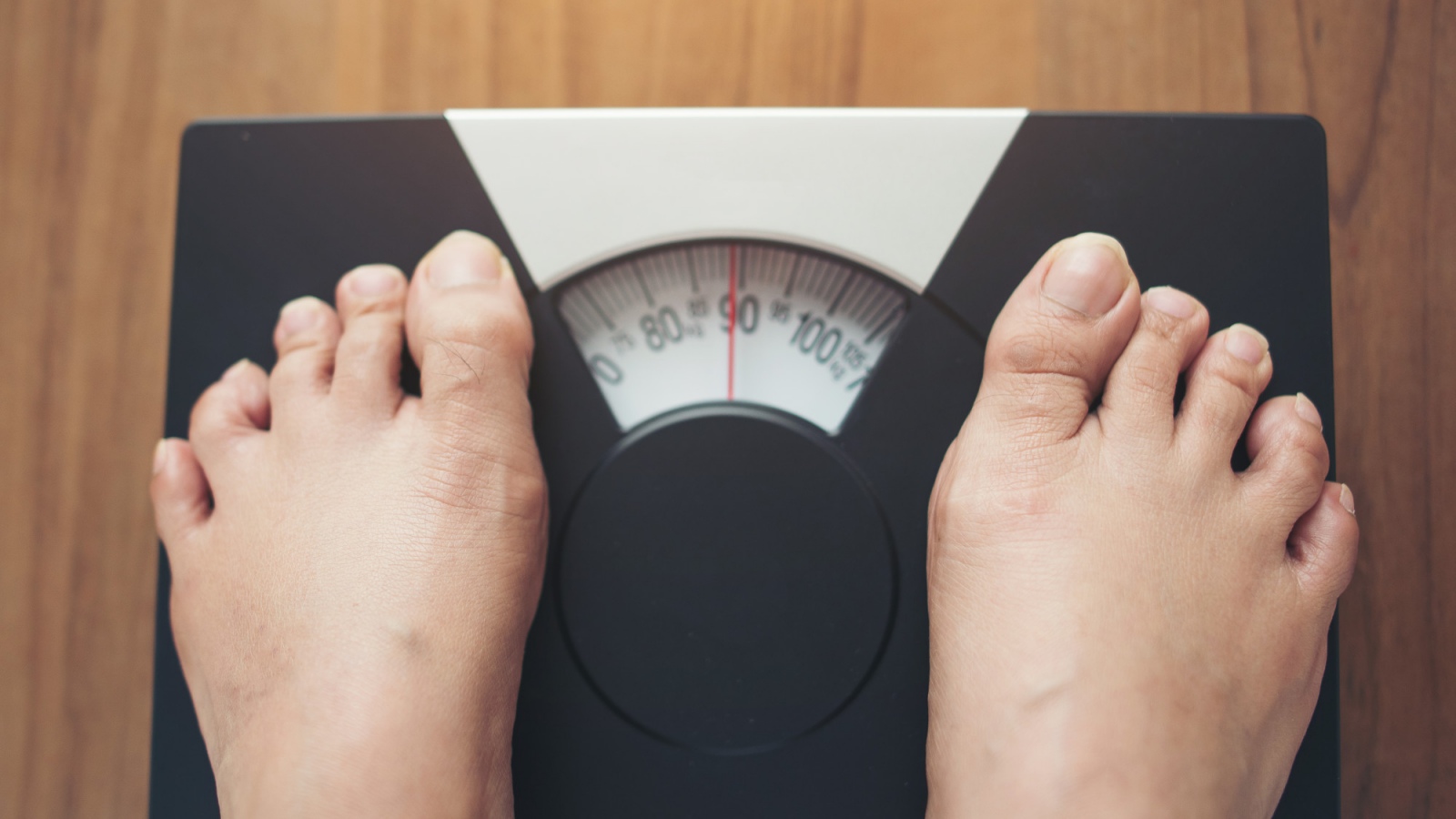
For women trying to lose weight, the objective should not be to focus only on the number on the weighing scale. Preserving muscle while reducing excess body fat can help support strength, mobility and overall health.
Ultimately, shorter women may have lower calorie requirements than taller women, but this does not mean they need to resort to severe dietary restrictions or excessive exercise. Understanding individual energy needs, eating adequately, staying active and incorporating strength training can offer a more sustainable approach to managing weight in their 40s.
Story continues below this ad
DISCLAIMER: This article is based on information from the public domain and/or the experts we spoke to. Always consult your health practitioner before starting any routine.

Leave a Reply