
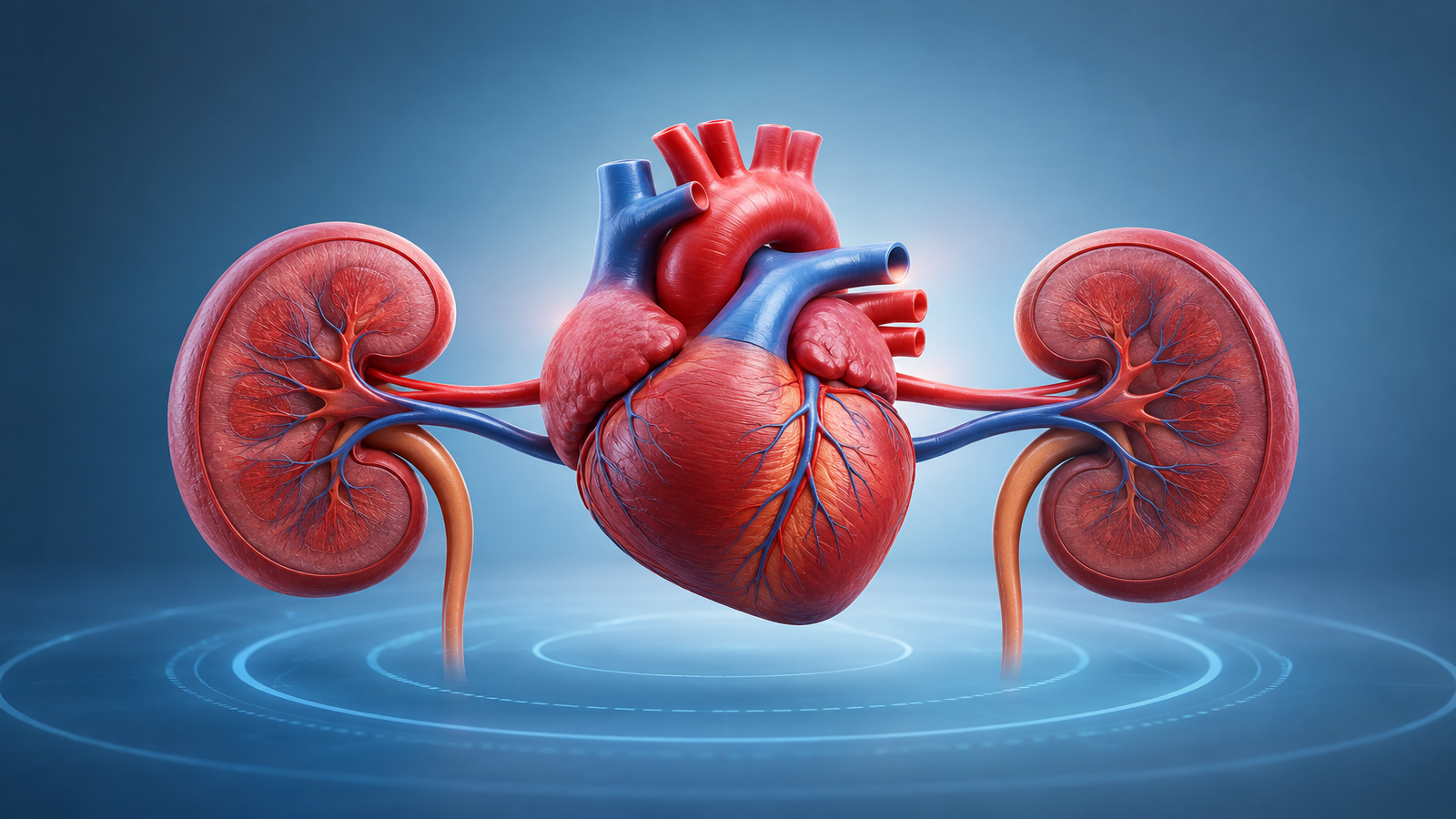
Your kidneys work continuously to filter waste and excess fluid from the blood, but kidney disease can develop without obvious symptoms in its early stages. This means feeling healthy does not necessarily mean your kidneys are functioning normally.
“Kidney disease is often difficult to detect in its early stages because most people do not have any obvious symptoms,” says Dr Chaitrali Gawde, Consultant – Nephrology & Kidney Transplant, KIMS Hospitals, Thane. “Simple blood and urine tests can sometimes detect changes before symptoms appear.”
DISCLAIMER: This article is based on information from the public domain and/or the experts we spoke to. Always consult your health practitioner before starting any routine.
So, how can you tell whether your kidneys are functioning properly?
Early signs
When symptoms do appear, they can be subtle and may not always point directly to a kidney problem.
According to Dr Gawde, some signs to watch for include:
* Swelling around the eyes or ankles
* Changes in the amount or frequency of urine
* Foamy-looking urine
* Blood in the urine
* Persistent tiredness
* Nausea or reduced appetite
* Unexplained itching
* An increase in blood pressure
Story continues below this ad
“Any persistent or unexplained change in your urine should not be overlooked,” says Dr Gawde.
Blood pressure is particularly relevant because the relationship between hypertension and kidney disease can go both ways. High blood pressure can contribute to kidney damage, while impaired kidney function can also raise blood pressure.
Which tests check kidney function?
A basic assessment of kidney health generally includes a blood test, a urine test, and a blood pressure check.
1. Serum creatinine and eGFR
A blood test measures serum creatinine, a waste product the kidneys normally filter. This value is used to calculate the estimated glomerular filtration rate (eGFR), which estimates how well the kidneys filter waste from the blood.
Story continues below this ad
“Serum creatinine and eGFR are important indicators of kidney function, but a person should not interpret a single value in isolation,” explains Dr Gawde.
Factors such as age, muscle mass and hydration can influence these measurements. Therefore, an abnormal result may need to be repeated or interpreted alongside other clinical findings.
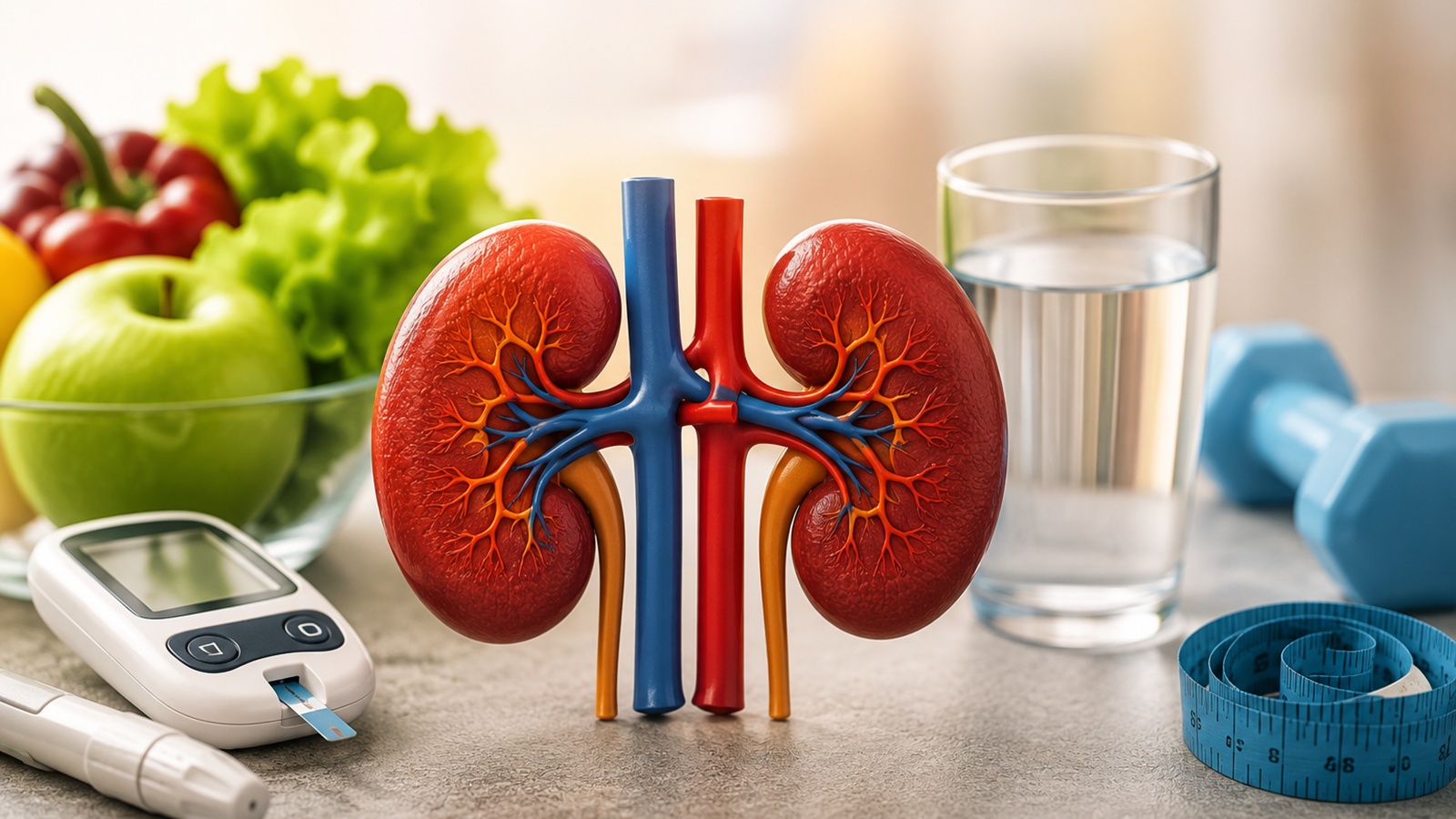 All about kidney symptoms (Photo: AI Generated)
2. Urine albumin-to-creatinine ratio
A urine test can look for protein or albumin leaking into the urine. This can sometimes indicate kidney damage even before there is a significant decline in overall filtration.
Story continues below this ad
“The urine albumin-to-creatinine ratio, or UACR, is generally used to detect albumin in the urine. It can pick up early kidney changes that may not yet be reflected by a noticeable reduction in kidney function,” says Dr Gawde.
3. Blood pressure
Checking blood pressure is another important part of assessing kidney health.
“Blood pressure should be checked as part of a kidney assessment because hypertension can be both a risk factor for kidney disease and a consequence of impaired kidney function,” she says.
How often should you get your kidneys checked?
“For someone without known risk factors, kidney tests can generally be included as part of routine health checks, with the frequency depending on age and individual circumstances,” says Dr Gawde.
Story continues below this ad
However, people with certain conditions or risk factors may need more frequent monitoring. These include those with:
* Diabetes
* High blood pressure
* Obesity
* A family history of kidney disease
* Cardiovascular disease
* Regular use of certain medications
Can you have kidney problems without symptoms?
“Feeling healthy does not always mean that the kidneys are functioning normally. Early changes can sometimes be identified through simple blood and urine tests before symptoms appear,” Dr Gawde says.
For someone concerned about kidney health, therefore, looking only for symptoms may not be enough. Serum creatinine/eGFR, UACR and blood pressure, interpreted in the appropriate clinical context, provide a more useful picture of kidney health than any single symptom or test result, she adds.
Story continues below this ad
DISCLAIMER: This article is based on information from the public domain and/or the experts we spoke to. Always consult your health practitioner before starting any routine.

Leave a Reply