
4 min readNew DelhiJun 24, 2026 01:00 AM IST
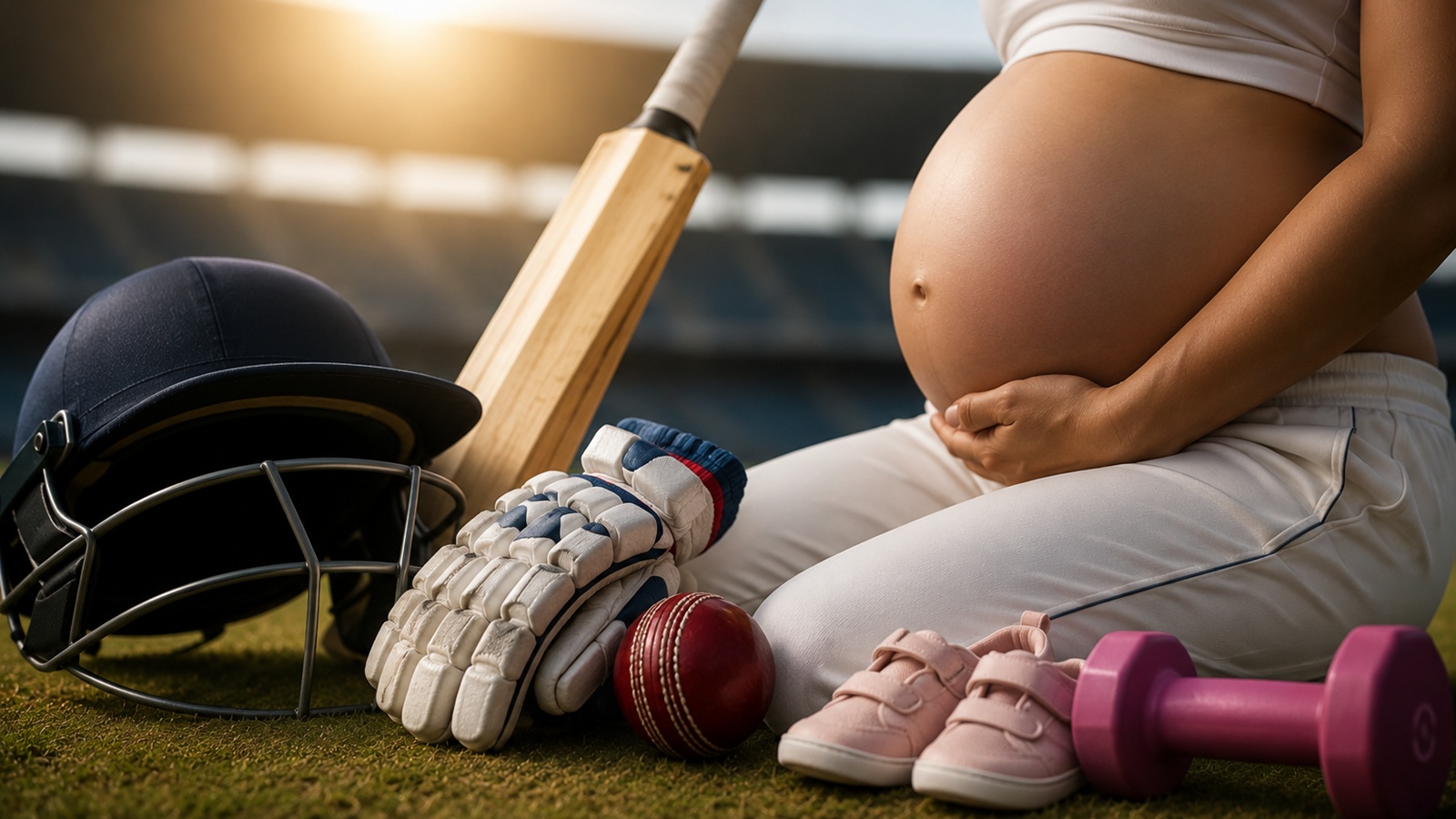
For the first time, the International Cricket Council (ICC) has launched its ‘Return to Play Post-Pregnancy Guidelines for female cricketers’, which incorporates a “practical framework” for players postpartum and also includes member boards, medical professionals and coaches.
These guidelines, issued in June 2026, are part of the international body’s “broader commitment to player health, wellbeing and the continued growth of the women’s game”.
DISCLAIMER: This article is based on information from the public domain and/or the experts we spoke to. Always consult your health practitioner before starting any routine.
The guideline draft led by ICC Medical Advisory Committee member, and Australia Team Doctor, Dr Philippa Inge, offers “the 6 Rs framework”: Ready, Review, Restore, Recondition, Return and Refine. “The approach covers early recovery after birth, medical and wellbeing reviews, gradual return to structured training, cricket-specific conditioning, return to play and ongoing monitoring once a player is back in the cricket environment,” ICC stated in a press statement.
Dr Inge said in the statement, “The ICC’s Return to Play Post-Pregnancy Guidelines are designed to show players that having a baby doesn’t need to be the end of their career, and what we’re aiming to do with this policy is allow Member nations to facilitate the return to cricket for their players.”
Dr Inge also emphasised that the guidelines “serve as a template for Members, and strong support for an athlete returning to cricket post-pregnancy needs to be individualised to the specific needs of them and their family”.
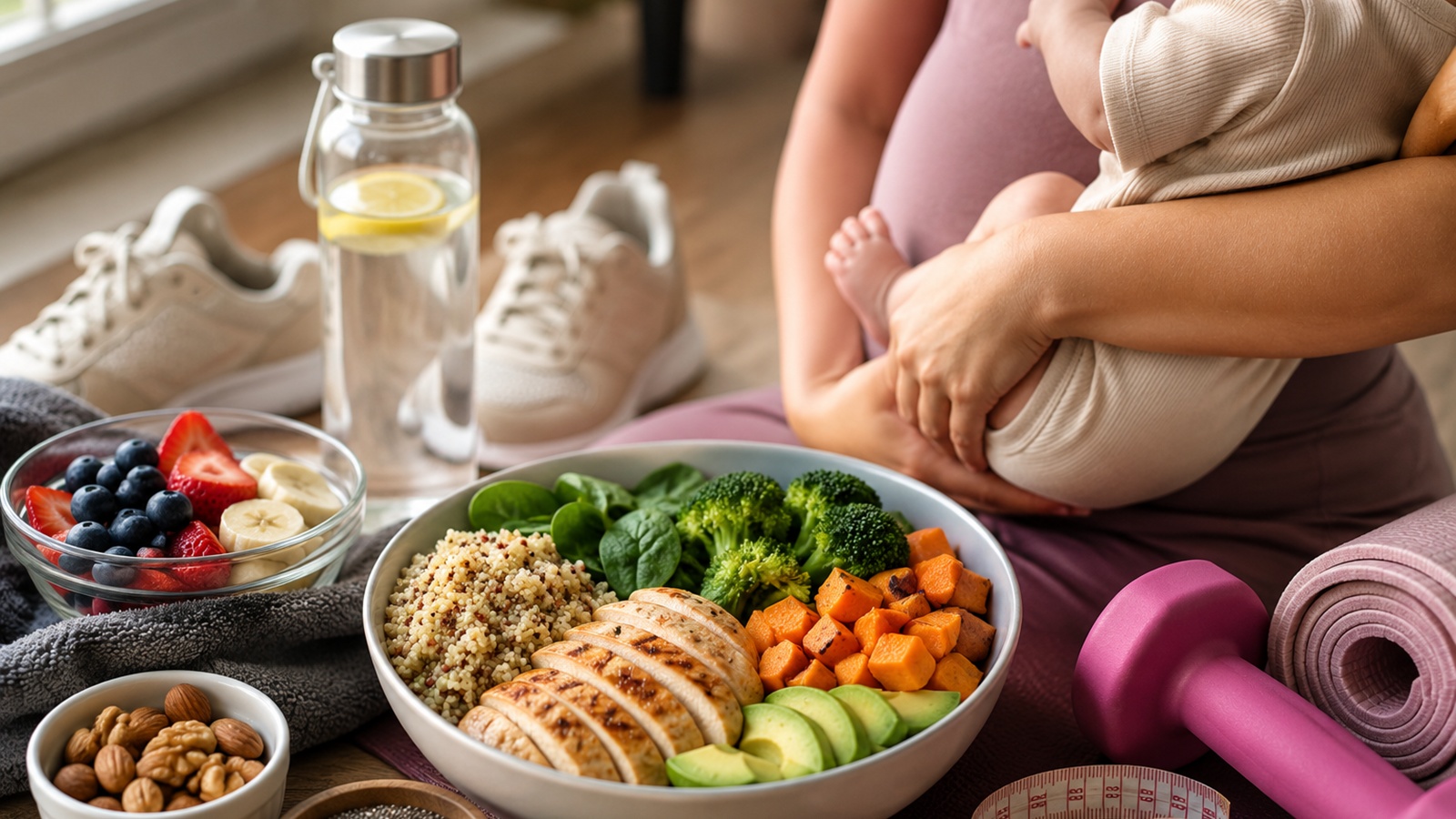 Wellbring of women cricketers post motherhood is now part of ICC guidelines (Photo: AI Generated)
Taking a cue from this new guideline, we asked an expert about what helps postpartum athletes.
Story continues below this ad
Dr Richa Bharadwaj, consultant obstetrician and gynaecologist, Wockhardt Hospitals, Mumbai Central, called it a “significant and much-needed move” because pregnancy should not end an athlete’s career.
“For years, many women in competitive sports have dealt with pregnancy and motherhood without proper medical support or guidance. The ICC’s decision recognises that motherhood and elite sports can go together. It also encourages athletes to focus on their health without feeling pressured to rush back into competition before they are ready,” said Dr Bharadwaj.
Physical and emotional challenges
According to Dr Bharadwaj, the postpartum period includes major physical and hormonal changes. “Recovery involves more than just losing weight or getting fit again. Athletes often deal with weakened core and pelvic floor muscles, lower stamina, sleep deprivation, and changing hormone levels. In some cases, they may experience issues like back pain, urinary leakage, pelvic discomfort, or slow healing after a cesarean section. These factors can seriously impact performance if not managed properly,” continued Dr Bharadwaj.
What does recovery look for athletes in the postpartum phase?
The priority should be recovery, not competition, asserted Dr Bharadwaj. “A gradual plan for returning to play is essential. Athletes should have a medical assessment to check their healing, pelvic floor strength, muscle recovery, and overall fitness. Nutrition is also crucial, especially for breastfeeding mothers who need more energy and hydration. Getting enough sleep, maintaining mental health, and following a structured rehabilitation program are equally vital for recovery,” Dr Bharadwaj said.
Story continues below this ad
Every woman’s recovery experience is unique. “Some athletes might return to training within a few months, while others may take longer. The decision should be based on physical readiness, not outside expectations or timelines. Coming back too soon can raise the risk of injuries, pelvic floor problems, and prolonged recovery issues,” remarked Dr Bharadwaj.
Motherhood does not prevent sporting success. “With the right medical care, rehabilitation, workplace support, and realistic recovery plans, women can safely return to high-performance sports and continue competing at the highest level,” said Dr Bharadwaj.
DISCLAIMER: This article is based on information from the public domain and/or the experts we spoke to. Always consult your health practitioner before starting any routine.

Leave a Reply