
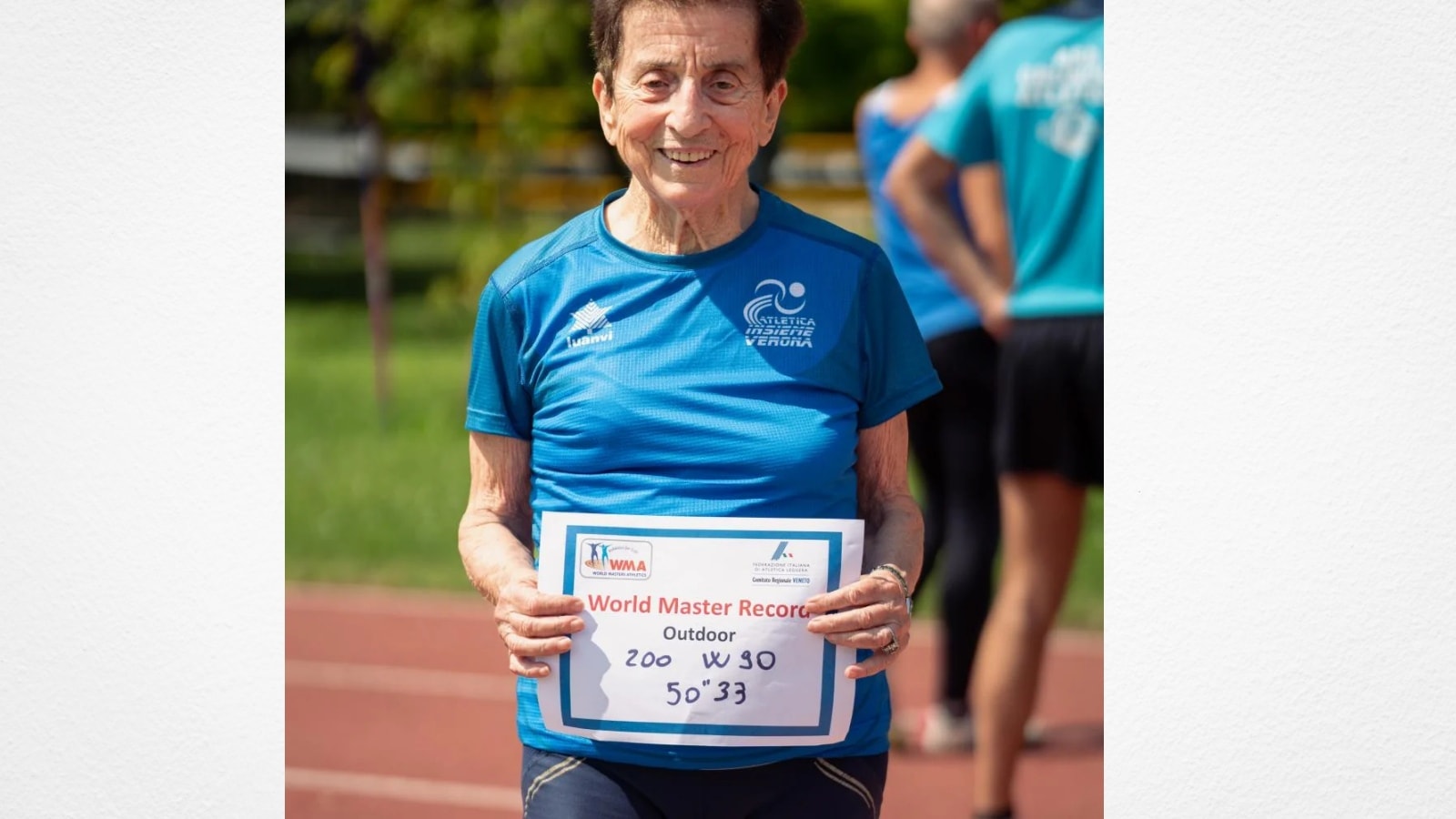
Italian sprinter Emma Mazzenga, who holds multiple world records in the 90–94 age category, is helping scientists uncover how exercise may slow the ageing process. According to reports, researchers studying her cardiorespiratory fitness and muscle function found that her mitochondria, the energy-producing structures within muscle cells, are remarkably healthy and function similarly to those of much younger adults. The findings add to growing evidence that regular exercise can play a powerful role in preserving muscle health, fitness, and vitality well into old age.
While Mazzenga’s physiology may be extraordinary, according to Dr Deepak Kumar, Senior Consultant, Physiotherapy & Rehabilitation, such cases are exceptional, and they reinforce a growing body of evidence showing that regular exercise can significantly slow many aspects of biological ageing.
“Not every older adult who exercises will have the physiology of a 20-year-old,” says Dr Kumar. “Healthy ageing is influenced by genetics, lifelong habits, nutrition, sleep, and overall health. However, research consistently shows that physically active individuals maintain better muscle function, cardiovascular health, mobility, and metabolic fitness than those who remain sedentary.”
Chronological age versus biological age
“Regular exercise cannot stop ageing, but it can considerably slow the decline associated with it,” explains Dr Kumar. “Many active older adults demonstrate physiological characteristics that resemble those of much younger individuals.”
One reason lies within the mitochondria, often referred to as the body’s powerhouses. These tiny structures convert oxygen and nutrients into usable energy. As people age, mitochondrial function tends to decline, contributing to fatigue, reduced endurance, and muscle weakness. Exercise helps counteract these changes, adds Dr Kumar.
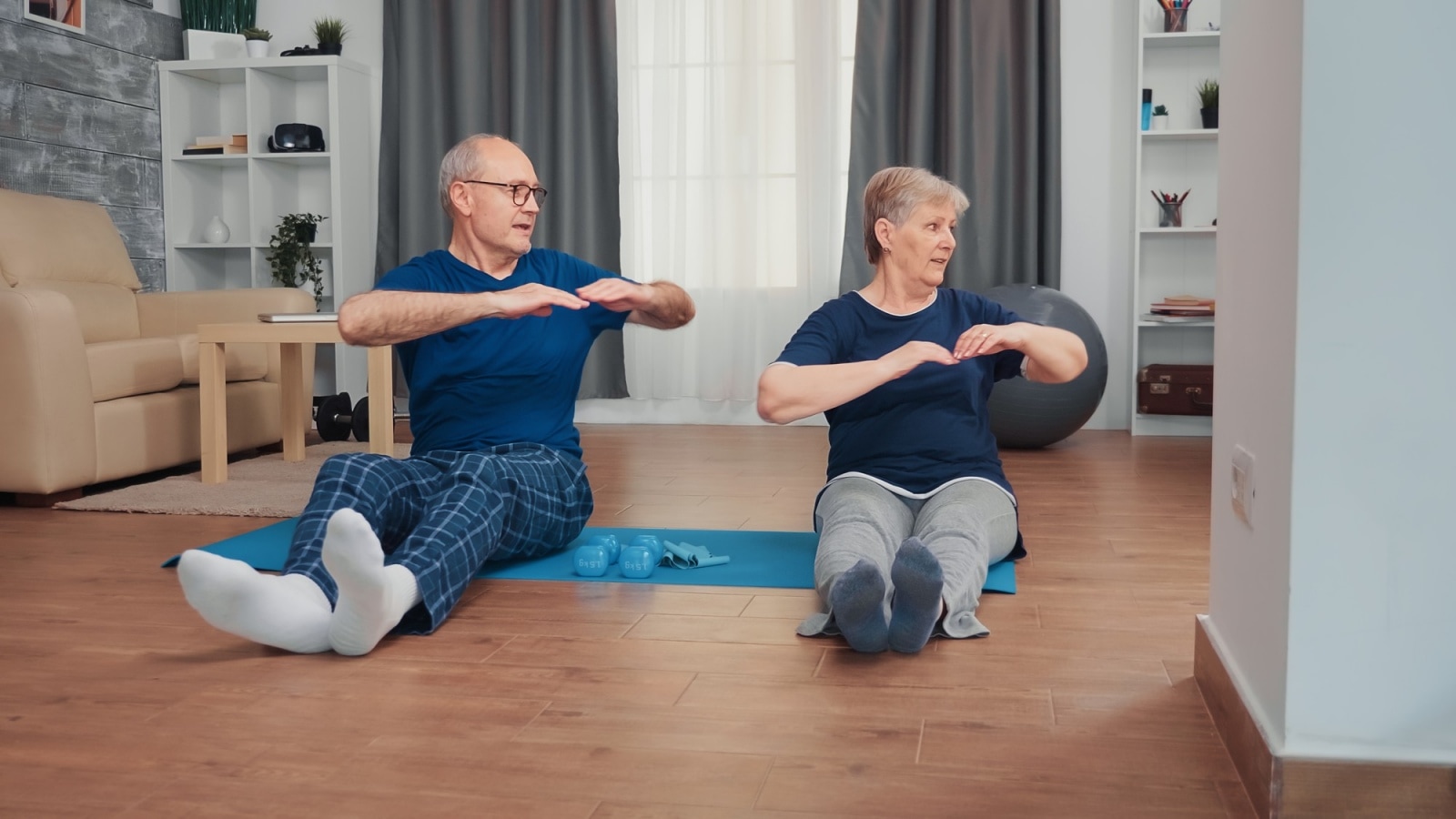 Is there a best exercise for healthy ageing? (Photo: Magnific)
What happens inside the body during exercise?
Dr Kumar explains that physical activity triggers a cascade of beneficial adaptations throughout the body.”Exercise stimulates the production of new mitochondria and improves the efficiency of existing ones,” he says. “This allows cells to generate energy more effectively, helping preserve endurance, strength, and overall physical performance.”
“Regular activity strengthens the heart muscle, enhances blood vessel function, and improves circulation,” says Dr Kumar. “The heart becomes more efficient at pumping blood, reducing strain on the cardiovascular system and helping manage blood pressure, cholesterol, and inflammation.”
Story continues below this ad
The brain benefits too. “Physical activity increases blood flow to the brain and stimulates growth factors that protect nerve cells and strengthen neural connections,” Dr Kumar notes. “These adaptations support both physical and cognitive function as people age.”
Is there a best exercise for healthy ageing?
Many people wonder whether strength training, aerobic exercise, or high-intensity workouts offer the greatest anti-ageing benefits. According to Dr Kumar, there is no single winner.
“There is no one best exercise for healthy ageing,” he says. “Each type offers unique benefits, which is why a combination is recommended.”
Strength training plays a crucial role in combating sarcopenia, the age-related loss of muscle mass and strength. Resistance exercises help maintain muscle tissue, support bone density, and lower the risk of falls and fractures.
Aerobic activities such as brisk walking, cycling, swimming, and jogging support heart and lung health while reducing the risk of cardiovascular disease, diabetes, and certain cancers. Higher-intensity activities, including sprinting and interval training, can further improve cardiovascular fitness and mitochondrial function, although they may not be appropriate for everyone.
Story continues below this ad
“Exercise programmes should ideally include four key components: aerobic training, resistance training, balance exercises, and flexibility work,” Dr Kumar advises. “Together, they help maintain mobility, independence, and overall quality of life.”

Leave a Reply