
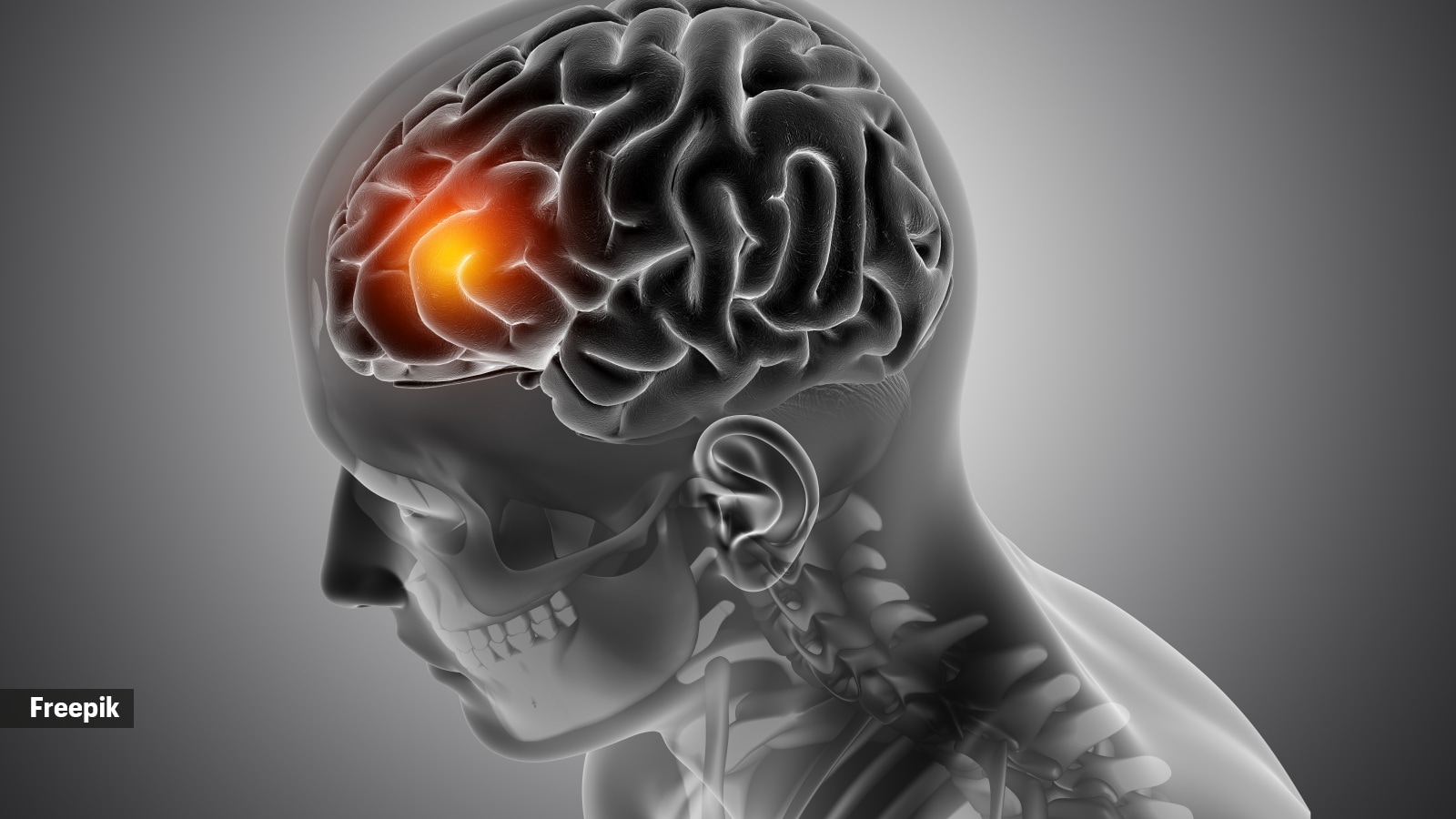
A recent study by the Indian Council of Medical Research has flagged a worrying trend: 1 in 7 stroke patients in India are aged 18–44, and nearly 2 in 5 reach hospital after 24 hours of symptom onset—delays that can severely impact recovery. The analysis covered 34,792 stroke cases registered across 30 hospitals between January 2020 and December 2022.
DISCLAIMER: This article is based on information from the public domain and/or the experts we spoke to. Always consult your health practitioner before starting any routine.
“There is a noticeable rise in stroke cases among younger adults. This trend is concerning but not surprising,” Dr Akhil Kumar Rustagi, Senior Director & HOD – Cardiothoracic and Vascular Surgery (CTVS), Cardiac Sciences, ShardaCare Healthcity, tells indianexpress.com.
“Factors like high stress, long working hours, lack of physical activity, smoking, alcohol use, and unhealthy diets are major contributors,” the cardiologist reveals. Increased screen time, poor sleep, and even COVID-related complications are also to blame.
“Many young people ignore early warning signs or do not go for regular health check-ups, which increases their risk of sudden stroke events,” Dr Rustagi notes.
The study also found hypertension in nearly three-fourths of patients, making it the leading risk factor for brain stroke.
 Unhealthy modern lifestyles have amplified the risk of stroke in young adults significantly (Image: Pexels)
Symptoms people often ignore
One of the biggest reasons for delay is that early signs are often dismissed. “Commonly overlooked signs include sudden weakness or numbness in the face, arm, or leg (especially on one side), slurred speech, confusion, dizziness, or sudden severe headache,” Dr Rustagi notes.
Story continues below this ad
“Temporary symptoms that go away quickly, known as mini-strokes (TIA), are especially ignored,” he adds while cautioning that these can be “serious warning signs” of a major stroke.
Recognizing these symptoms early and seeking immediate medical help can make a life-saving difference.” In fact, the study found motor impairment (74.8%) and speech disturbance (51.2%) were the most common early signs.
Why the first few hours are crucial
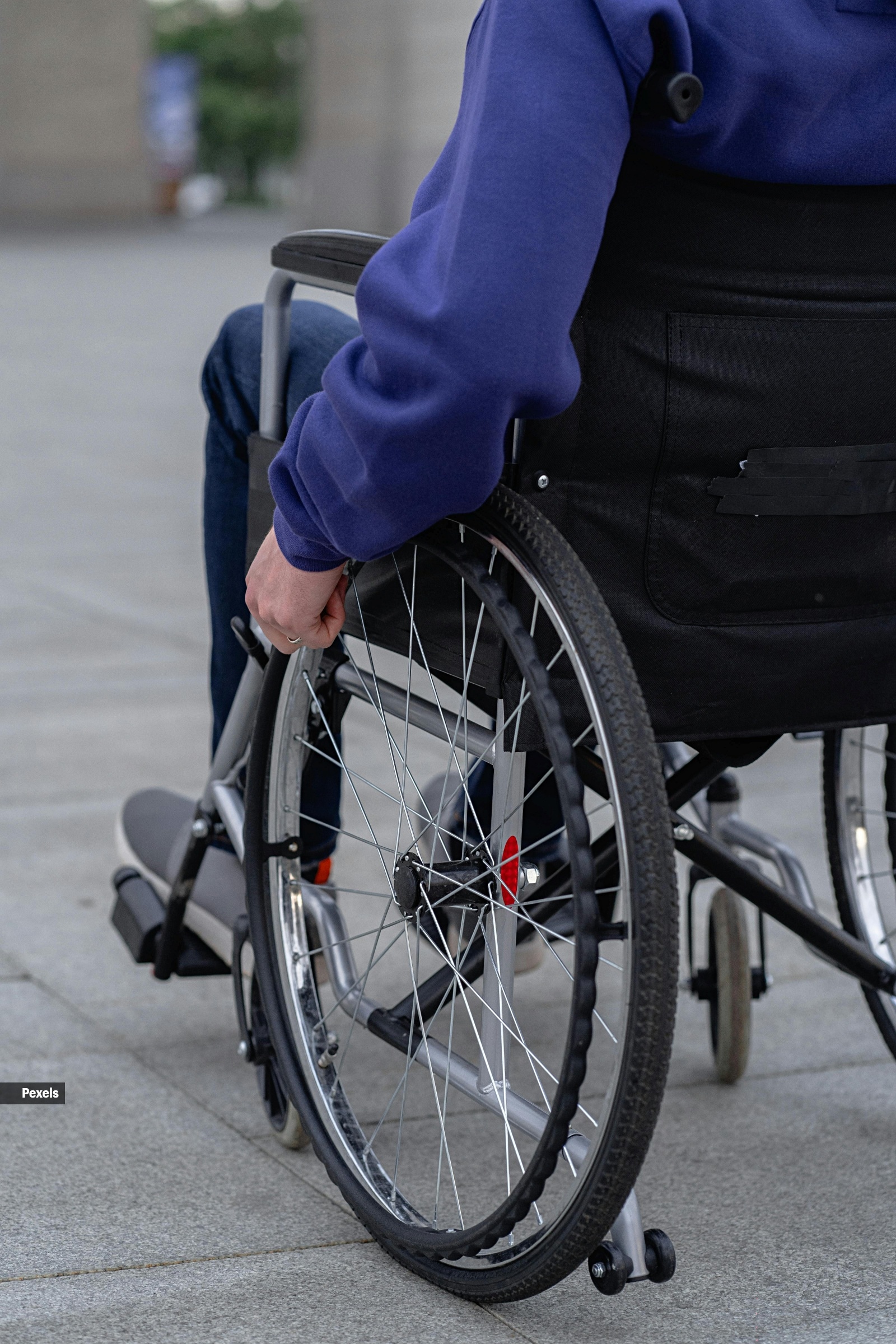 Delayed treatment may lead to permanent disability such as paralysis, speech problems, or memory loss (Image: Pexels)
Doctors often call the initial window of the first few hours after stroke the “golden period.” If the person doesn’t het any treatment in this time, the blood supply to part of the brain remains blocked or reduced, causing “rapid brain cell death.”
When delayed, effectiveness of the treatment s reduced, making the patient more likely to “suffer severe disability or even life-threatening complications.
Story continues below this ad
“This can affect essential functions like movement, speech, vision, and coordination. The damage spreads over time, making it harder to recover.”
Early treatments, as Dr Rustagi assures, can restore blood flow are most effective within the first 4.5 hours, and in some cases up to 24 hour. ” Most cases (around 60%) are ischemic strokes, caused by a blockage in blood flow to the brain.”
What happens if you don’t realise it for 24 hours?
This is where things turn critical. “If a person does not realise they are having a stroke for 24 hours, valuable treatment time is lost,” explains Dr Rustagi.
“During a stroke, brain cells begin to die within minutes due to lack of oxygen. The longer the delay, the more brain damage occurs,” he further adds while pointing out that this can even lead to “permanent disability” such as paralysis, speech problems, or memory loss.
Story continues below this ad
“Early treatments that can reverse damage are no longer effective after a certain window. By the time medical help is received, recovery becomes more difficult and complications are more likely, reducing the chances of returning to normal life.”
After 24 hours: recovery becomes harder
Crossing the 24-hour mark significantly worsens outcomes both in terms of “survival and recovery”. “By this time, a large number of brain cells may already be permanently damaged,” says the cardiologist.
“While supportive treatment can still be given, the most effective emergency treatments are often no longer an option. Patients may require longer hospital stays, rehabilitation, and ongoing care. Early intervention offers the best outcomes, so any delay beyond 24 hours can lead to poorer quality of life and reduced independence.”
Thus, it is crucial not to “wait out” a stroke. The earlier you act, the better the chances of recovery. As Dr Rustagi puts it, every minute counts, because once brain cells are lost, they cannot be brought back.
Story continues below this ad
DISCLAIMER: This article is based on information from the public domain and/or the experts we spoke to. Always consult your health practitioner before starting any routine.

Leave a Reply