5 min readHyderabadUpdated: Mar 9, 2026 06:30 PM IST
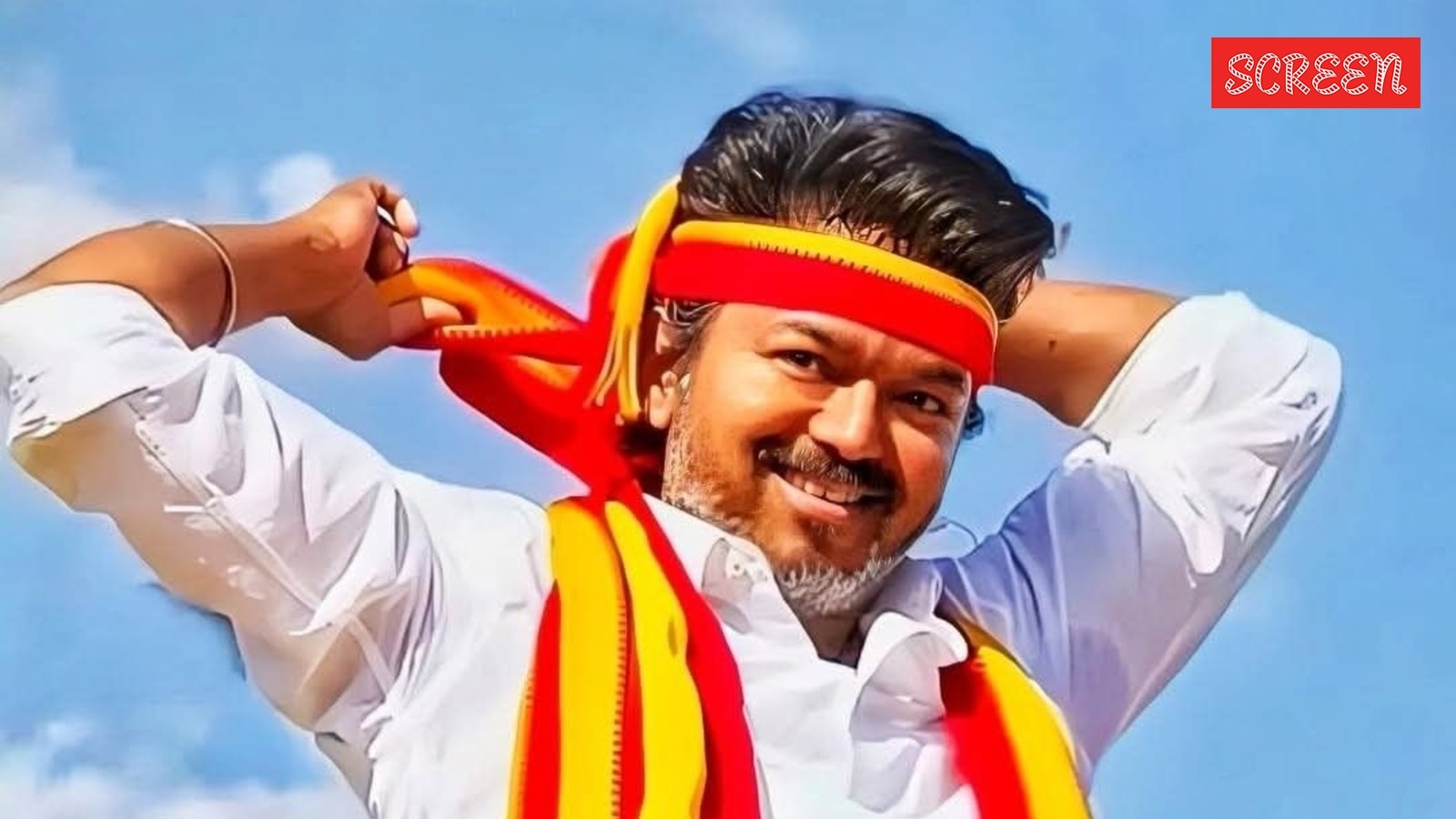
Vijay’s final film Jana Nayagan has now been stuck in certification limbo for nearly three months, with no release date in sight. It is an unprecedented situation, but for those who have followed his career closely, the sight of a Vijay film hitting a wall before it reaches theatres is not entirely unfamiliar. Over the course of his career, several of his films have run into political pressure, legal challenges, and last-minute certification trouble before they could make it to the big screen. The names and reasons changed each time, but the pattern has remained consistent.
In 2013, Thalaivaa was set for release worldwide on August 9. Fans across the globe watched it on the big screen. Theatres in Tamil Nadu and Puducherry stayed dark. The primary issue was the film’s tagline, “Time to Lead,” which the AIADMK government, led by Chief Minister J. Jayalalithaa, reportedly viewed as a direct challenge to her leadership.
The production team was forced to make several concessions, including removing the controversial tagline. In a final attempt to resolve the situation, Vijay and his team travelled to Kodanadu to meet Jayalalithaa personally, but were denied an audience. Vijay eventually released an emotional video message asking fans for patience and appealing to the Chief Minister for help. The film finally opened in Tamil Nadu on August 20, eleven days late, by which point its initial momentum had significantly diminshed.
Four years later, Mersal released during Diwali and immediately drew fire from the BJP. The party demanded the removal of scenes in which Vijay’s character criticised the Goods and Services Tax and the Digital India initiative, claiming the film contained factual errors and was running a campaign against the government. The scene at the centre of the controversy showed the character pointing out that Singapore charges just 7% GST and provides free healthcare, while India, with its higher GST rates, could not ensure the same.
The film had also run into trouble at the certification stage before its release, with the Animal Welfare Board of India initially refusing a no-objection certificate over the use of animals in the production.
The Telugu dubbed version, Adirindhi, was separately held up at the CBFC, where the producers were given the option to mute or delete the contentious dialogues. They chose to mute them, and the decision was met with widespread outrage from fans who sat through the long, conspicuous silence in theatres. Rajinikanth, Kamal Haasan, Vijay Sethupathi, Arvind Swamy, and Khushbu all extended their support to the film, with Kamal posting on social media asking the CBFC not to recensor a film that had already been certified.
Story continues below this ad
Sarkar released on November 6, 2018, and ran into trouble not before release, but within hours of it. Ministers from the All India Anna Dravida Munnetra Kazhagam (AIADMK) accused Vijay of attempting to instigate viewers against the government by ridiculing its welfare schemes. Among the points of contention was a scene showing people burning government freebies such as grinders and fans. Another issue raised was the name of the antagonist, played by Varalaxmi Sarathkumar. Her character was named Komalavalli, a name widely associated with the original name of former Tamil Nadu Chief Minister J. Jayalalithaa. In the film, the character is portrayed as a scheming woman helping her father in his attempt to become chief minister for a third time.
AIADMK party cadre staged protests at theatres across Tamil Nadu and vandalised banners of Vijay. Following threats of lawsuits from the government, the filmmakers agreed to cut scenes and mute the name wherever it appeared in the audio track. By the third day of the film’s release, director AR Murugadoss had sought anticipatory bail from the High Court after police visited his residence in his absence. Kamal Haasan criticised the AIADMK government openly, saying it was not new for them to pressurise filmmakers who had already obtained a censor certificate and released a film.
Jana Nayagan is a different situation entirely. The obstruction here did not come from protest groups outside theatres or political parties demanding cuts after the film was seen. It began inside the certification process itself, with a referral to the Revising Committee made before the film could reach any screen, triggered by a complaint from a single member of the examining committee. Jana Nayagan is the final film of a man who has already launched a political party, contested elections, and built an organisation with ambitions of governing Tamil Nadu. That, more than anything else, is what makes this particular wall the hardest one Vijay has had to face.

Leave a Reply