
4 min readNew DelhiJul 5, 2026 11:00 AM IST
When people think about insulin resistance, they often blame sugar alone. But some of the biggest contributors are in fact the everyday habits that have become deeply ingrained in our households.
Dr Chirag Tandon, Director – Internal Medicine, ShardaCare-Healthcity, confirms this while speaking to indianexpress.com. “Insulin resistance is becoming increasingly common, and many everyday habits in Indian households are unknowingly contributing to it.
He further elaborates on five such common desi household habits below, which might be quietly worsening your insulin resistance.
DISCLAIMER: This article is based on information from the public domain and/or the experts we spoke to. Always consult your health practitioner before starting any routine.
1. Starting the day with chai, coffee and biscuits
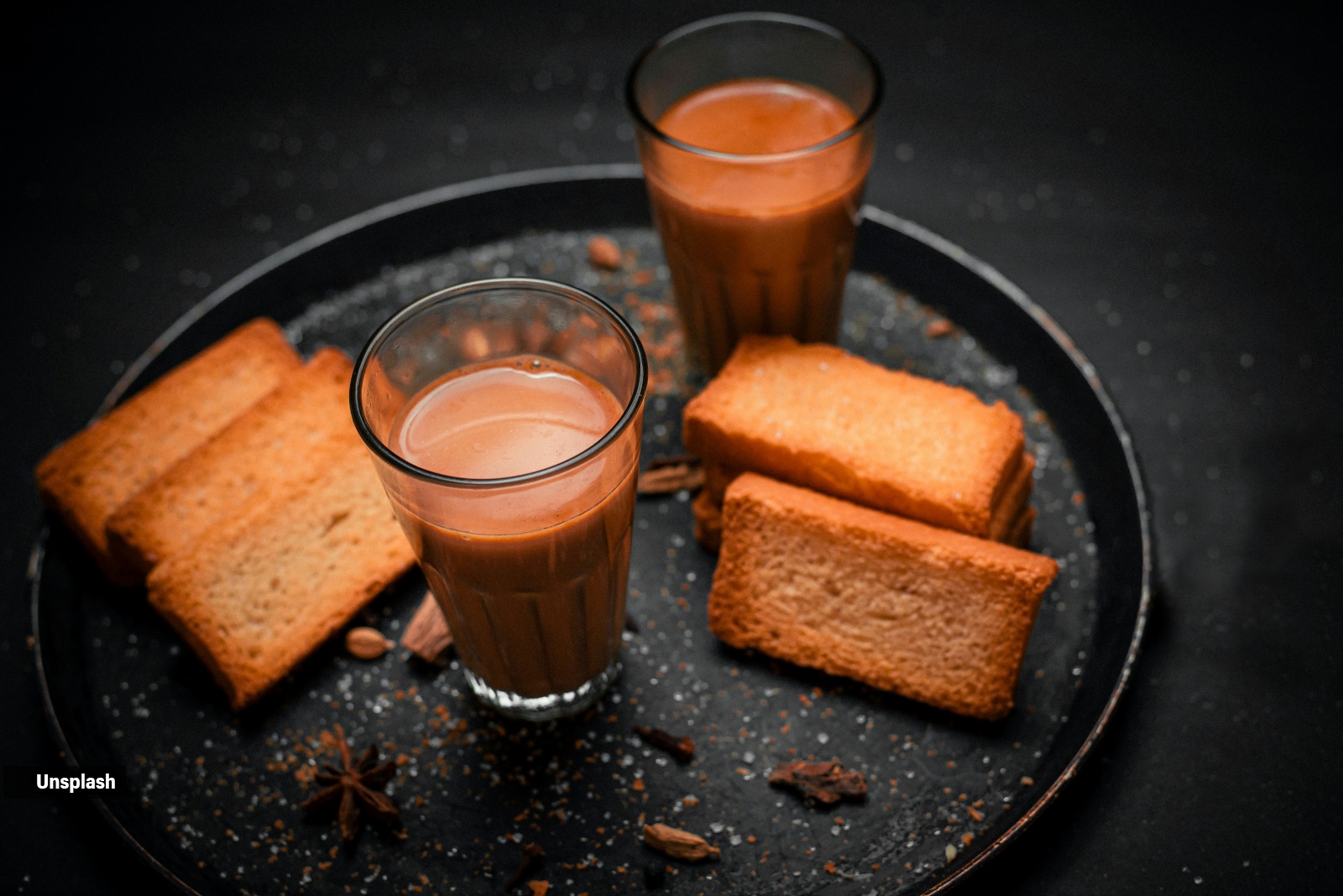 Starting the day with sugary tea and biscuits on an empty stomach can cause repeated spikes in blood sugar levels (Image: Unsplash)
For many Indians, the day begins with a piping hot cup of sugary tea or coffee accompanied by biscuits. However, according to Dr Tandon, starting the day with sugary tea or coffee and biscuits “on an empty stomach” is one of the biggest culprits, which can cause “repeated spikes in blood sugar levels.”
While it may seem like a light breakfast, this combination is often high in sugar and refined carbohydrates while offering little protein or fibre to slow down glucose absorption.
2. Eating mostly carbs and very little protein
“Another common habit is consuming large portions of refined carbohydrates such as white rice, white bread, parathas made with refined flour, and sugary snacks while eating very little protein or fibre,” says Dr Tandon.
Story continues below this ad
Protein and fibre help keep blood sugar levels more stable, while meals dominated by refined carbohydrates can lead to frequent glucose spikes and crashes.
3. Sitting for most of the day
“Physical inactivity is another major concern,” Dr Tandon points out. Whether it’s desk jobs, long commutes, binge-watching television, or scrolling through phones, many people spend hours sitting without much movement.
He explains that spending long periods sitting reduces the body’s ability to use insulin effectively. Over time, this can contribute to worsening insulin resistance and other metabolic problems.
 sitting for long hours without movement, which can contribute to back pain, obesity, and poor circulation (Ai generated image)
4. Eating dinner late and going straight to bed
Late-night dinners have become increasingly common, especially among working professionals.
Story continues below this ad
However, Dr Tandon warns that “late-night dinners followed by immediately going to bed can also negatively impact blood sugar control and metabolism.”
Giving the body little time to digest food before sleep may make it harder to regulate glucose efficiently.
5. Treating snacks and sweets as everyday foods
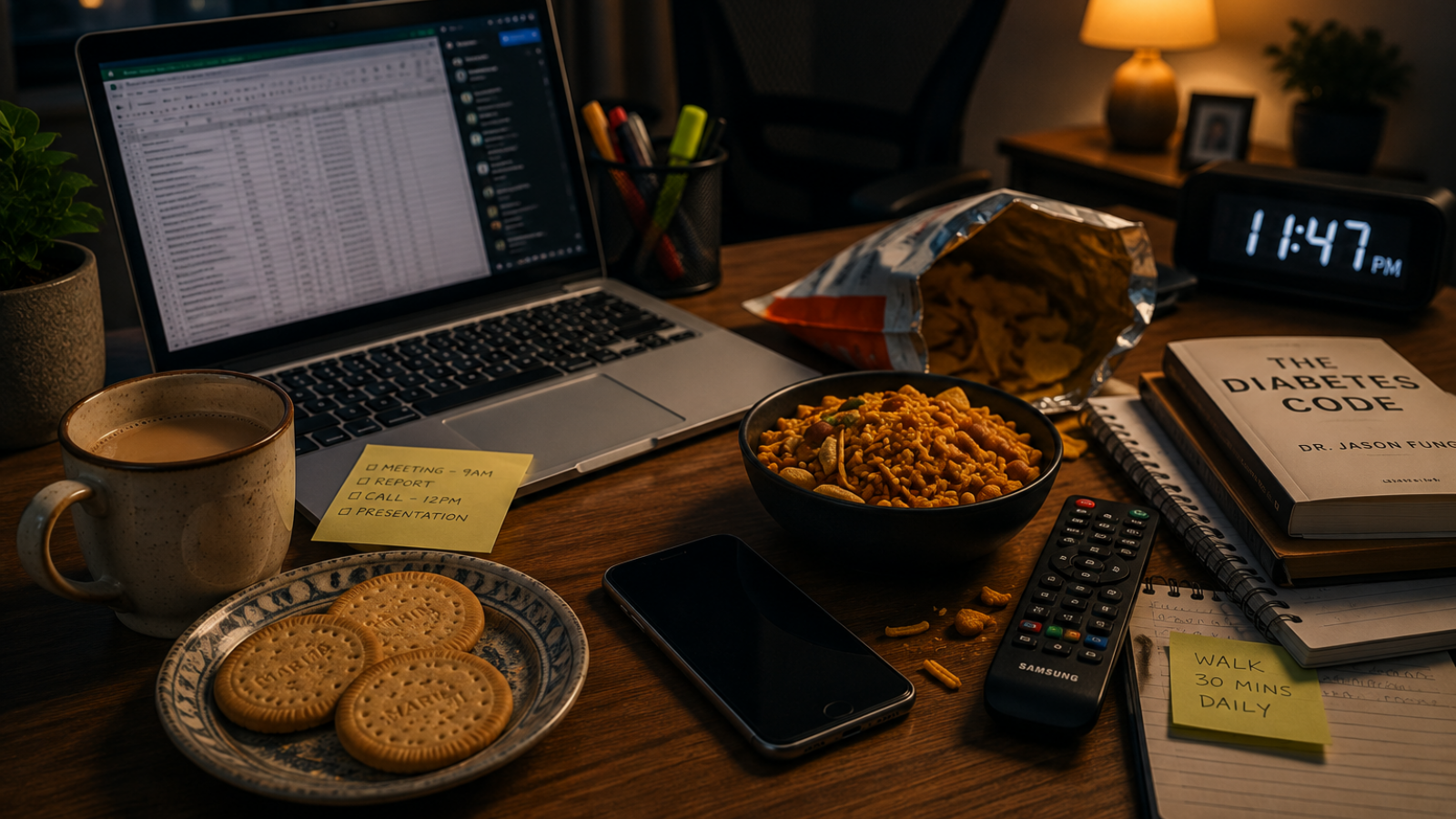
Packaged snacks, sugary beverages, mithai, namkeen, and calorie-dense evening snacks often become a routine part of daily life rather than an occasional indulgence.
According to Dr Tandon, “frequent consumption of packaged snacks, sweets, sugary beverages, and traditional high-calorie evening snacks can gradually increase the risk of weight gain and insulin resistance.”
Story continues below this ad
While these foods may seem harmless in small amounts, regular consumption can steadily increase metabolic risk.
“Many people believe these are harmless daily habits, but over time they can contribute to abdominal obesity, prediabetes, type 2 diabetes, fatty liver disease, and cardiovascular problems,” Dr Tandon concludes.
DISCLAIMER: This article is based on information from the public domain and/or the experts we spoke to. Always consult your health practitioner before starting any routine.

Leave a Reply