

4 min readNew DelhiSep 10, 2026 11:00 AM IST
Cardiologist Dr Kota Reddy recently explained how blood pressure can affect brain health. Speaking to fitness expert Terri Alani, he said, “If your (systolic) blood pressure is 100 or 110 and you don’t have dizziness, that’s actually the best blood pressure for your brain.”
He added that if the goal is to protect the brain, systolic blood pressure — the upper number in a blood pressure reading — should ideally remain below 120 mmHg, saying, “The brain doesn’t care about age. If your blood pressure is high, it’s going to hurt.”
But does that mean the lower your blood pressure, the better? Not necessarily, says Dr Nitin K Sethi, Chairman of Neurosciences and Senior Consultant at PSRI Hospital. While maintaining blood pressure in a healthy range can reduce the long-term risk of stroke and damage to the brain’s small blood vessels, excessively low blood pressure can also cause problems.
DISCLAIMER: This article is based on information from the public domain and/or the experts we spoke to. Always consult your health practitioner before starting any routine.
When can blood pressure be too low?
“Lower blood pressure over time can reduce the risk of stroke and damage to small blood vessels in the brain, but very low blood pressure isn’t necessarily better,” Dr Sethi says.
If blood pressure drops too low, the brain and other organs may not receive adequate blood flow. This can cause symptoms such as dizziness, light-headedness, blurred vision, weakness, fatigue, confusion or fainting.
These symptoms may be particularly noticeable when a person suddenly stands up. However, no single blood pressure reading is considered “too low” for everyone.
Story continues below this ad
“Symptoms and individual health conditions matter,” Dr Sethi says. If a person has persistently low readings along with symptoms, a doctor should evaluate them.
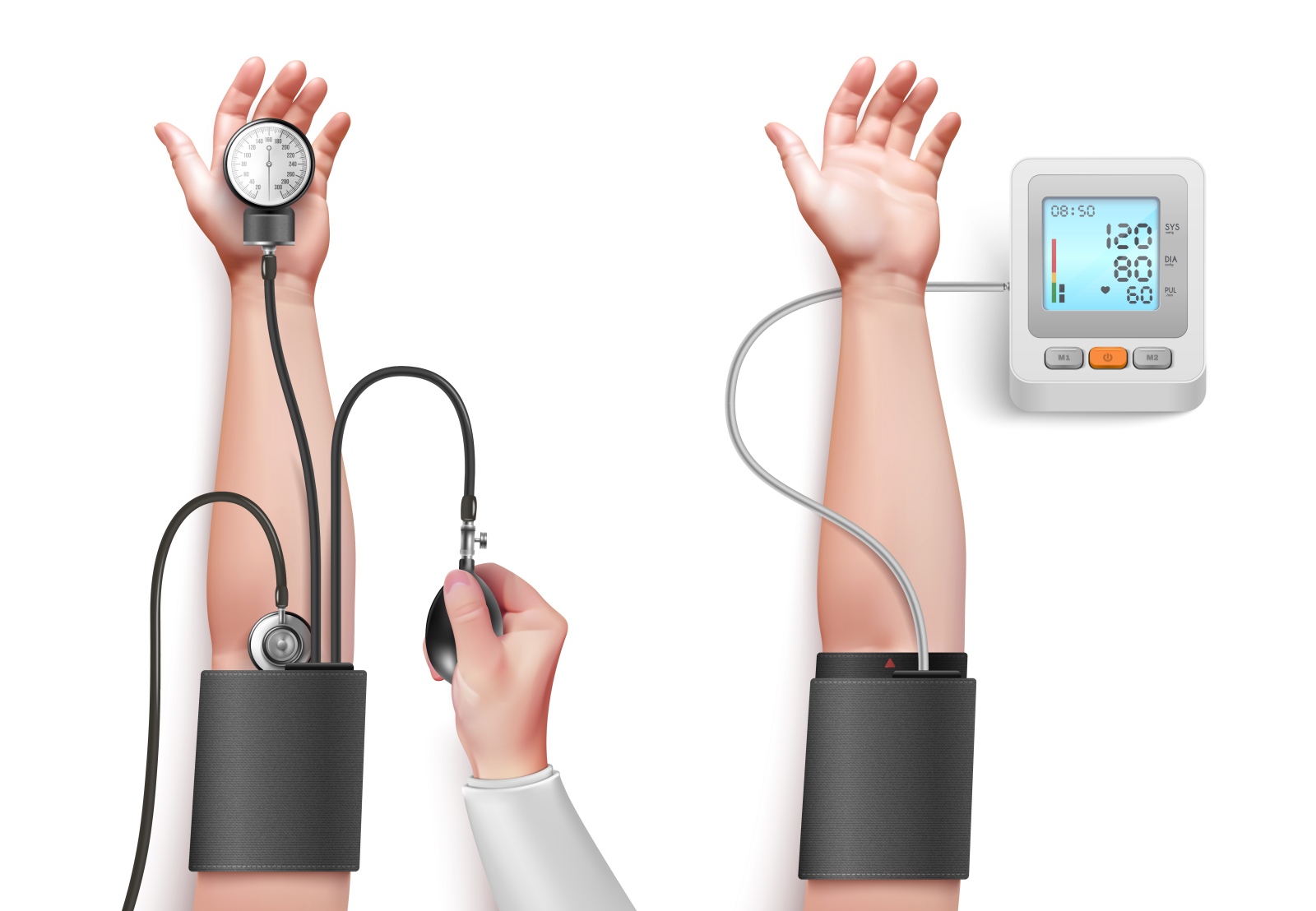 Lower blood pressure may protect the brain (Photo: Magnific)
Is below 120 mmHg the right target for everyone?
A systolic reading below 120 mmHg can be optimal for many healthy adults, but Dr Sethi cautions against treating it as a universal target.
“Blood pressure targets should be individualised, especially in the elderly and in people with conditions such as kidney disease, heart disease, diabetes or a history of falls,” he says.
For some older adults or medically fragile people, lowering blood pressure too aggressively can increase the risk of dizziness and falls or potentially reduce blood flow to vital organs.
Story continues below this ad
“The correct target is to be defined by the general health, age, medication and tolerance of the individual,” Dr Sethi says.
How does high blood pressure affect the brain?
The concern with hypertension is not just the number on the BP monitor. Over time, persistently high blood pressure can damage and harden the brain’s small blood vessels.
According to Dr Sethi, this can increase the risk of stroke, cognitive decline and vascular dementia. Keeping blood pressure within a healthy range reduces the strain on these blood vessels and helps protect the brain over the long term.
Can lifestyle changes help control BP?
Yes. Blood pressure management is not limited to medication. Dr Sethi recommends lifestyle measures such as reducing excess salt, maintaining a healthy weight, exercising regularly, limiting alcohol and avoiding tobacco.
Story continues below this ad
Medication may be recommended when blood pressure remains high despite lifestyle changes. It may also be started sooner in people at higher cardiovascular risk or those with conditions such as diabetes, kidney disease or existing heart disease.
Importantly, Dr Sethi stresses that treatment should not be based on a single number. The goal is not simply to push blood pressure as low as possible, but to keep it at a level that is healthy and well tolerated by the individual.
‘Blood pressure’ has been trending on Google India for the past 24 hours.
DISCLAIMER: This article is based on information from the public domain and/or the experts we spoke to. Always consult your health practitioner before starting any routine.

Leave a Reply