5 min readNew DelhiMar 27, 2026 09:00 PM IST
In a recent Instagram post, celebrity nutritionist Rujuta Diwekar emphasised that nourishing hair roots starts with what we put on our plate every day, not just what we apply externally. She stressed that cutting out essential food groups, especially carbohydrates, can have unintended consequences. According to her, “if you are on a diet and keeping yourself away from carbs and other important food items, then you might have to deal with hair loss as well.”
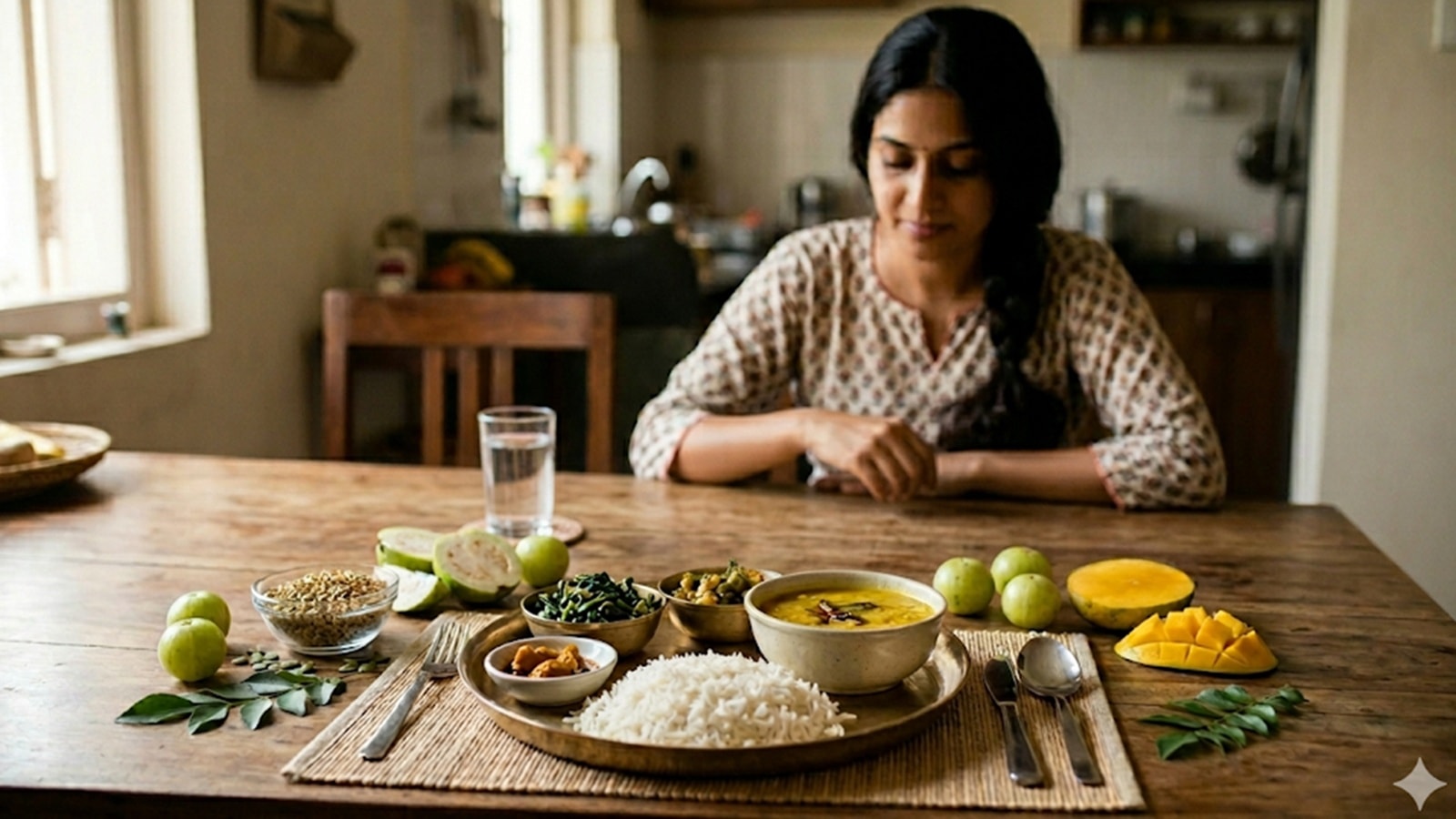
She specifically underlined the importance of staple foods and traditional eating habits. “Whether you are on a diet or not, you should consume rice at least once a day,” she said, firmly adding that “rice never leads to weight gain, and it’s absolutely important for our body and hair health as well.” Alongside this, she drew attention to the role of seasonal fruits like amla, guava, and mango in improving hair quality, noting that their vitamin C content “acts as a cofactor for iron, which increases haemoglobin level,” ultimately influencing “the colour, density, strength, and look of the hair (sic).”
DISCLAIMER: This article is based on information from the public domain and/or the experts we spoke to. Always consult your health practitioner before starting any routine.

She further highlighted how everyday foods such as pulses and seeds contribute to stronger roots. Pulses like moong, arhar, and chawli, she explained, are “rich in amino acids, vitamin B, and fibre,” nutrients that “impart strength to our hair and prevent random hair fall.” She also spoke about haleem seeds, recommending them in traditional forms like laddus or kheer to access “Folic acid and other nutrients,” while cautioning that consuming them “early in the morning with water won’t yield anything.” Beyond diet, she added simple lifestyle habits, such as weekly oiling and daily combing, while advising people to avoid chemical treatments whenever possible.
So, what role do ultra-processed foods play in hair health at a physiological level?
Ashlesha Joshi, fitness dietician and nutritionist at Tone 30 Pilates, tells indianexpress.com, “Ultra-processed foods are typically low in essential micronutrients and high in refined sugars, unhealthy fats, and additives.” From a physiological standpoint, this combination can contribute to systemic inflammation, oxidative stress, and poor gut health, all of which indirectly affect hair follicles. Hair is a non-essential tissue, so when the body is under nutritional stress, it prioritises vital organs over hair growth, often leading to thinning or increased shedding.
Vitamin C-rich seasonal fruits and improved haemoglobin
“The connection is both logical and well-supported,” says Joshi. Vitamin C enhances the absorption of non-heme iron from plant-based foods, which plays a crucial role in maintaining healthy haemoglobin levels. Adequate haemoglobin ensures efficient oxygen delivery to hair follicles, which is essential for sustaining the anagen or growth phase of the hair cycle.
“Beyond vitamin C and iron, several other nutrients are equally important for hair health,” she explains. Protein is fundamental, as hair is primarily made of keratin. Zinc supports tissue repair and follicle function. Biotin contributes to keratin infrastructure, while vitamin D plays a role in follicle cycling. Omega-3 fatty acids help reduce inflammation and support scalp health. A deficiency in any of these can disrupt the hair growth cycle and increase shedding.
Pulses, legumes, and haleem seeds to strengthen hair roots
“Pulses, legumes, and haleem seeds are highly beneficial for hair health because they provide a combination of plant-based protein, iron, zinc, and other essential micronutrients,” says Joshi. Haleem seeds, in particular, are dense in iron and folate, making them especially useful for individuals with low haemoglobin levels, which is a common contributor to hair fall.
Story continues below this ad
However, their effectiveness depends on consistency and overall dietary balance rather than isolated consumption. For visible benefits, these foods should be part of a regular, varied diet. Pulses and legumes can be included in daily meals through dals, sprouts, or salads. Haleem seeds can be soaked and consumed in small quantities, often mixed with water or milk or added to porridge.
“It is also important to pair these foods with vitamin C sources to enhance iron absorption and ensure adequate protein intake across meals,” she adds. Hair health improves gradually, so sustained dietary patterns over a few months are key to seeing measurable changes.
DISCLAIMER: This article is based on information from the public domain and/or the experts we spoke to. Always consult your health practitioner before starting any routine.

Leave a Reply