4 min readNew DelhiApr 5, 2026 06:00 PM IST
Have you ever seen a person become a little more aggressive, irritable, and rude after drinking alcohol? Almost as if the drink turned their violence barometer a few notches up. This isn’t a coincidence but a rather unwanted side effect, with a proper scientific explanation.
ARTICLE CONTINUES BELOW VIDEO
[embedded content]
Even though alcohol is often associated with relaxation, sometimes it can shift the emotional tone – irritation becomes confrontation, and small disagreements suddenly feel personal. While this reaction may seem unpredictable, this aggression starts brewing long before someone appears visibly drunk.
DISCLAIMER: This article is based on information from the public domain and/or the experts we spoke to. Always consult your health practitioner before starting any routine.

“Alcohol is technically a depressant, but what many people do not realise is that it first depresses the most evolved parts of our brain,” Dr Prabhojit Mohanty, psychiatrist, sexologist, and de-addiction expert, tells indianexpress.com.
“The frontal lobes, which help us think before we act, control impulses, and behave in socially appropriate ways, are the first to slow down. In simple terms, alcohol switches off our internal brakes before it slows the engine,” Mohanty adds.
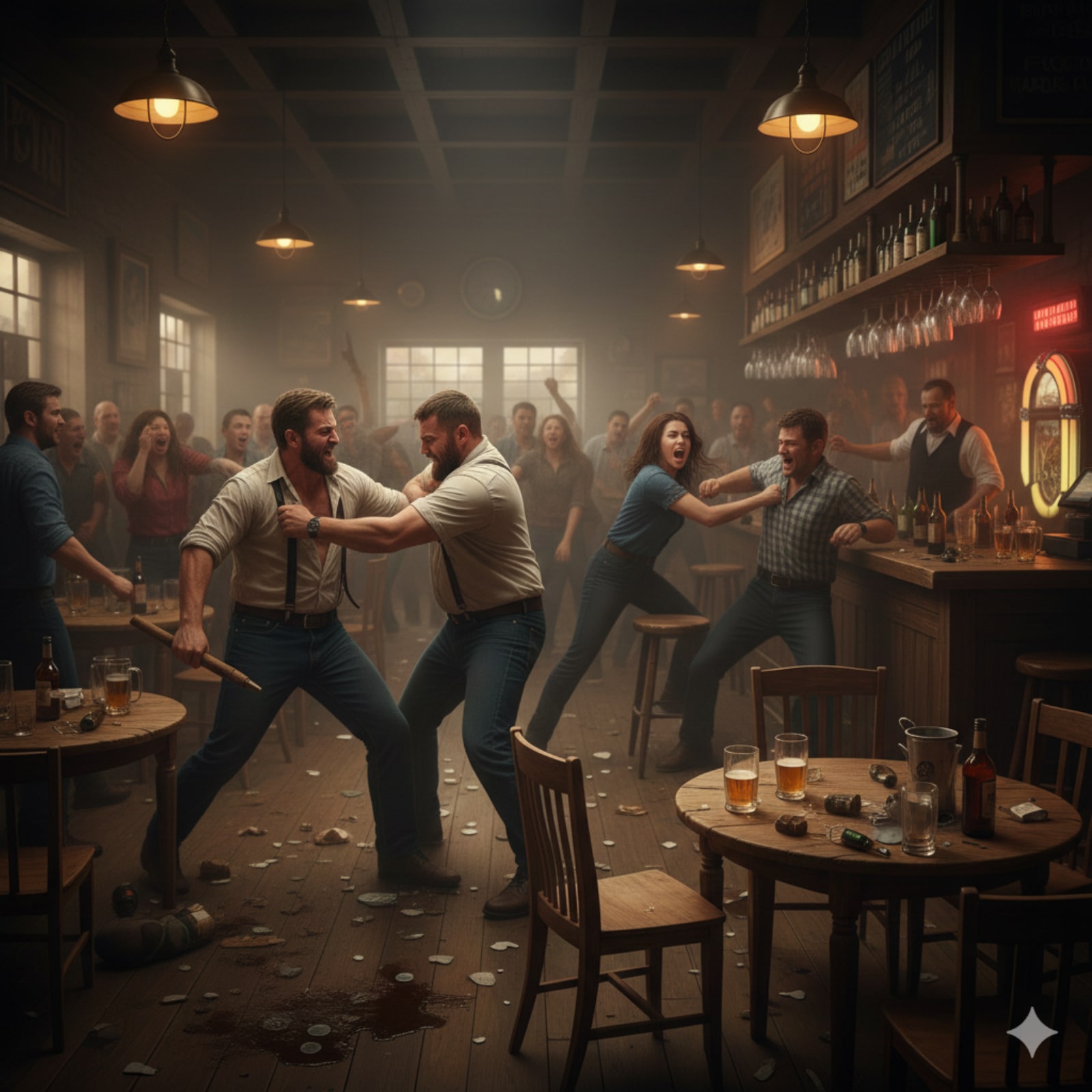 “If aggression is a recurring pattern, it should be addressed when sober,” says Dr Mohanty (Image: Gemini Generated)
That early loss of inhibition means emotions that were being quietly managed – irritation, jealousy, insecurity, or resentment – can surface more freely. Importantly, emotional regulation is weakened before obvious physical signs like slurred speech or clumsy coordination appear.
Additionally, alcohol may interfere with how we read social cues. Neutral comments may be misinterpreted as criticism, and minor disagreements can feel disproportionately intense. As judgment declines, the ability to step back and calmly reassess the situation is reduced.
Story continues below this ad
As Dr Mohanty puts it, alcohol rarely creates aggression from scratch – it lowers the threshold for expressing emotions that were already present while reducing the brain’s ability to regulate them.
Vulnerable groups and why drinking patterns matter
Not everyone is equally affected. “Individuals who are naturally more impulsive are at higher risk,” says Dr Mohanty. People with ADHD, certain personality disorders involving emotional dysregulation, unresolved anger, trauma, or a history of aggressive behaviour may react more strongly under the influence. Alcohol tends to amplify existing tendencies rather than introduce entirely new ones.
The amount and speed of drinking also play a major role. High-strength drinks or rapid consumption raise blood alcohol levels quickly. The Mellanby effect describes how people can appear more impaired – and behave more impulsively – when alcohol levels are rising compared to when they are falling at the same concentration.
To reduce the likelihood of escalation, experts recommend pacing drinks, avoiding high-intensity environments, and stepping away if tension builds. “Slow your breathing, hydrate, and pause the conversation,” advises Dr Mohanty. If aggression becomes a recurring pattern, addressing it while sober is crucial. Therapy can help individuals explore the emotions that surface when inhibition drops and develop healthier strategies for managing anger and conflict.
Story continues below this ad
DISCLAIMER: This article is based on information from the public domain and/or the experts we spoke to. Always consult your health practitioner before starting any routine.

Leave a Reply