

4 min readNew DelhiMar 13, 2026 10:00 PM IST
We often associate bright, well-lit spaces with productivity and comfort. But new research suggests your evening lighting habits might be silently harming your heart.
A study published in the JAMA Network on October 23, 2025, found that exposure to bright light at night may significantly increase the risk of heart disease. The researchers discovered that keeping your home brightly illuminated after sunset can disrupt your circadian rhythm — the body’s internal clock that regulates sleep, hormone balance, and vital physiological processes.
“When the body’s internal clock is disrupted, heart health is also affected,” the study noted. Bright light at night, they explained, “throws the body’s internal clock off rhythm,” triggering a chain of physiological reactions, such as increased blood pressure, inflammation, and a faster heart rate. Over time, these responses add up, paving the way to cardiovascular problems.
The study’s findings were striking: people exposed to the brightest night light faced a 32% higher risk of coronary artery disease, a 56% higher risk of heart attack, and a 30% higher risk of stroke. Even more concerning, these risks remained independent of lifestyle factors such as diet, exercise, genetics, and overall sleep duration.
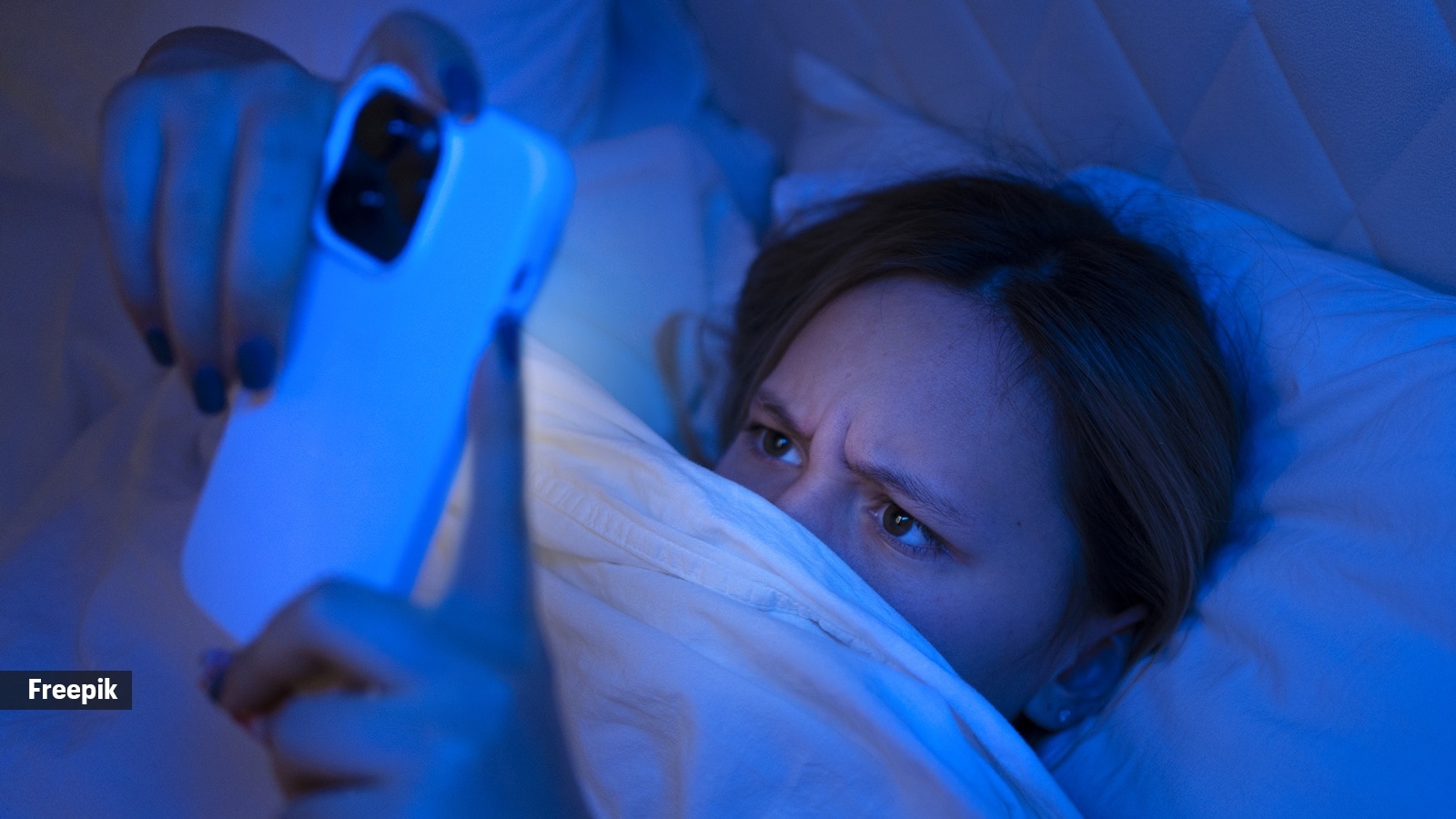
While shift workers are especially vulnerable because their schedules expose them to light at biologically inappropriate times, researchers also warn that the same risks may apply to anyone who scrolls through their phone in bed or sleeps with the lights on. The takeaway, they said, is simple: dim your indoor lights after sunset, use heavy curtains, and avoid screens before bed to protect your cardiovascular health.
But what happens inside the body when the circadian rhythm is disrupted that makes the heart more vulnerable?
Dr Raj Kumar, senior consultant, Non-invasive Cardiology at PSRI Hospital, tells indianexpress.com, “When our body is exposed to bright light at night, it interferes with the natural circadian rhythm — the internal clock that regulates sleep, hormones, and body temperature. Normally, melatonin levels rise after sunset, signalling the body to rest. But artificial light suppresses melatonin production, causing stress hormones like cortisol to remain high.”
This increases heart rate, blood pressure, and inflammation. Over time, this constant imbalance can strain the cardiovascular system, disturb glucose metabolism, and make blood vessels less flexible, all of which heighten the risk of heart attacks and other cardiac problems.
Story continues below this ad
How can people realistically reduce their night-time light exposure without compromising comfort or routine?
Reducing light exposure doesn’t mean living in darkness. It’s about creating a softer, more natural evening environment. “People can switch to warm or dim yellow lights after sunset, use bedside lamps with low wattage, and enable ‘night mode’ or blue light filters on their phones and laptops,” suggests the expert.
Avoiding bright overhead lighting at least two hours before sleep helps the body unwind. Curtains or blackout shades can block external streetlight glare. For those who like reading at night, Dr Kumar recommends a warm, dim reading light. These small, realistic changes can make a big difference in protecting heart health without disrupting routine comfort.
Should light hygiene be treated as seriously as nutrition and sleep when it comes to heart health?
“Absolutely,” stresses Dr Kumar, adding that just as diet and exercise are pillars of heart health, light hygiene plays a crucial role in regulating the body’s internal balance. We often overlook the impact of artificial light, but it directly influences sleep quality, metabolism, and hormonal balance — all linked to heart health.
“Poor light hygiene can undo many benefits of healthy living by keeping the body in a state of low-level stress. Treating light exposure as part of a daily wellness routine — like eating right or sleeping well — is essential for maintaining long-term cardiovascular and overall health,” concludes Dr Kumar.
Story continues below this ad
DISCLAIMER: This article is based on information from the public domain and/or the experts we spoke to. Always consult your health practitioner before starting any routine.

Leave a Reply