

Jet lag is more than just feeling tired after a long flight. It is a physiological condition that occurs when your body’s internal clock, or circadian rhythm, is thrown off balance due to crossing multiple time zones.
Dr Bikky Chaurasia, Consultant, Internal Medicine at Kokilaben Dhirubhai Ambani Hospital, Mumbai, explains the science behind jet lag, its symptoms, etc.
The disruptive effects of jet lag
When you travel across time zones, Dr Chaurasia said, your body struggles to align with the local time, leading to:
- Disrupted Sleep Patterns: You may find it difficult to fall asleep or stay awake at the appropriate local times, feeling sleepy during the day and alert at night.
- Fatigue and Drowsiness: A misaligned biological clock causes physical exhaustion, making it hard to get restful sleep.
- Digestive Issues: Digestive processes are regulated by your circadian rhythm. Jet lag can lead to indigestion, constipation, or diarrhoea as your gut struggles to adapt.
- Mood Swings: Hormonal imbalances and disrupted sleep cycles can cause irritability, anxiety, or mild depression.
- Reduced Mental Function: Jet lag can impair concentration, memory, and decision-making, often referred to as “brain fog.”
- Hormonal Disruptions: Misaligned sleep cycles affect the release of hormones like melatonin, which regulates sleep and wakefulness.
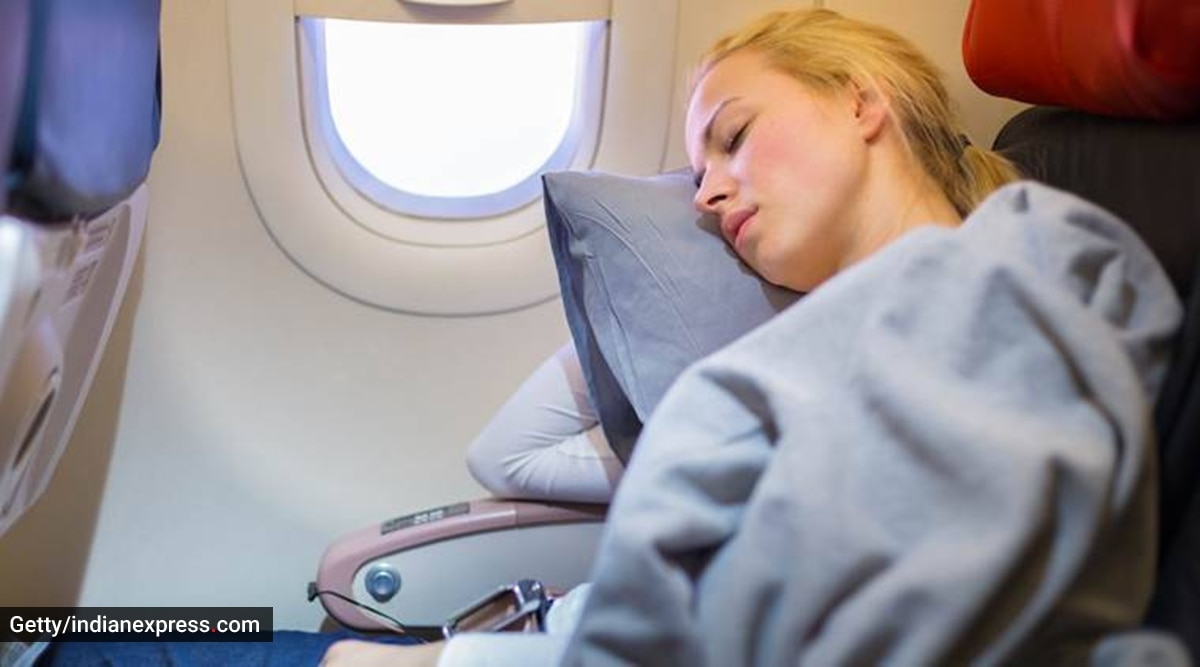 By giving your body the time and tools to adjust, you can enjoy your travels without being bogged down by jet lag fatigue. (Source: Getty Images/Thinkstock)
The science behind jet lag
Dr Chaurasia explained that jet lag stems from the mismatch between your internal body clock and the time at your destination. This circadian rhythm is controlled by the brain’s suprachiasmatic nucleus (SCN), located in the hypothalamus, which responds to light and dark cues.
- Circadian Rhythm Disruption: When exposed to a new light-dark cycle, your body struggles to adjust, causing symptoms of jet lag.
- Travel Direction: Flying east (e.g., from India to Japan) results in more severe jet lag, requiring the body to shorten its natural rhythm. Traveling west (e.g., from India to Europe) is more accessible, as it extends the rhythm.
- Melatonin Levels: This sleep-regulating hormone is often out of sync with the new time zone, leading to insomnia and daytime drowsiness.
- Body Temperature: The circadian rhythm controls core body temperature, contributing to sleep disturbances and other symptoms.
On average, it takes about one day per time zone crossed for your body to adjust fully. However, age, health, travel direction, and hydration levels can affect recovery time.
By giving your body the time and tools to adjust, you can enjoy your travels without being bogged down by jet lag fatigue.

Leave a Reply