

3 min readNew DelhiMar 27, 2026 03:00 PM IST
Even small, everyday observations about our bodies are enough for a quick spiral into panic. One such scenario is spotting darker or more yellow urine and wondering if it signals something serious. With rising awareness around conditions like Type 2 Diabetes, many people tend to connect even minor bodily changes to larger health issues.
A similar query recently surfaced on Quora: “Is yellowish urine a sign of diabetes type 2?”—a question that reflects just how common this confusion is. To settle this doubt, we reached out to Dr Satish Chander Wasoori, a Senior Consultant in Endocrinology at Paras Health Gurugram.
DISCLAIMER: This article is based on information from the public domain and/or the experts we spoke to. Always consult your health practitioner before starting any routine.

So, is yellow urine a sign of Type 2 diabetes?
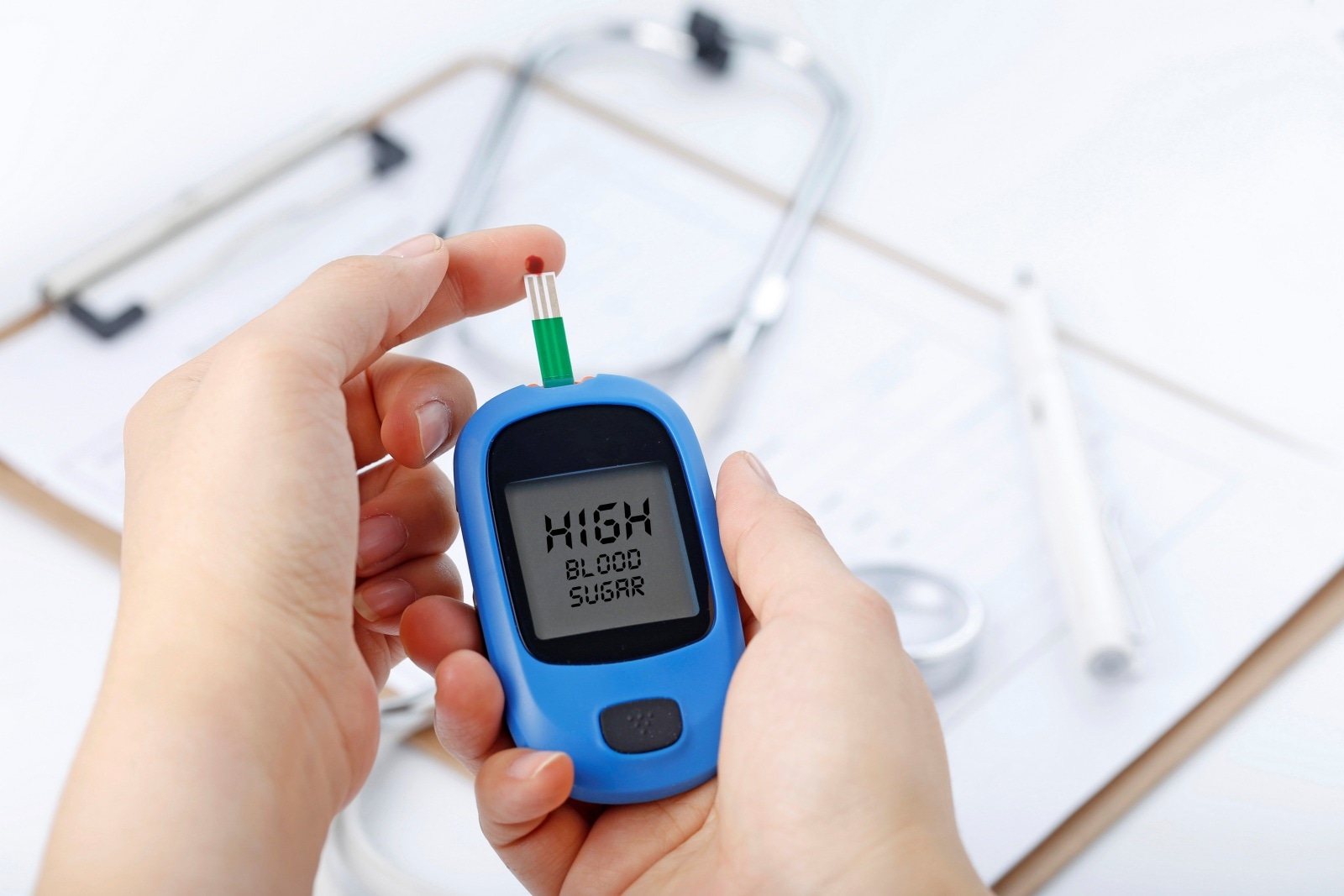 Type 2 diabetes usually presents with a cluster of symptoms (Image: Freepik)
According to Dr Wasoori, the short answer is no. “Dark yellow urine is more commonly a sign of dehydration rather than Type 2 diabetes,” he explains. In most cases, it simply means you’re not drinking enough water or that certain foods or medications may be affecting you.
While uncontrolled diabetes can lead to fluid loss and increased urination, its colour alone is not a reliable indicator of blood sugar levels. “People often misinterpret darker urine as a sign of diabetes, but in most cases, it simply reflects inadequate water intake or certain dietary factors.”
As per the endocrinologist, a change in urination frequency is a more “significant” symptom, as compared to colour, when it comes to Type 2 Diabetes.
What are the early signs of Type 2 diabetes?
Instead of focusing on urine colour, it’s important to watch out for symptoms that are often subtle and easily ignored:
Story continues below this ad
- Persistent fatigue
- Frequent urination
- Excessive thirst
- Unexplained weight loss or gain
- Frequent infections (especially skin or urinary)
- Slow wound healing
- Blurred vision
- Increased hunger
“These symptoms are often dismissed as lifestyle-related issues, which delays diagnosis,” says Dr Wasoori.
Additionally, individuals with risk factors — such as a “family history of diabetes, obesity, sedentary lifestyle, hypertension, or age above 35” —should undergo regular screening, even in the absence of symptoms. “Early detection is key to preventing complications,” Dr Chander concludes.
DISCLAIMER: This article is based on information from the public domain and/or the experts we spoke to. Always consult your health practitioner before starting any routine.

Leave a Reply