
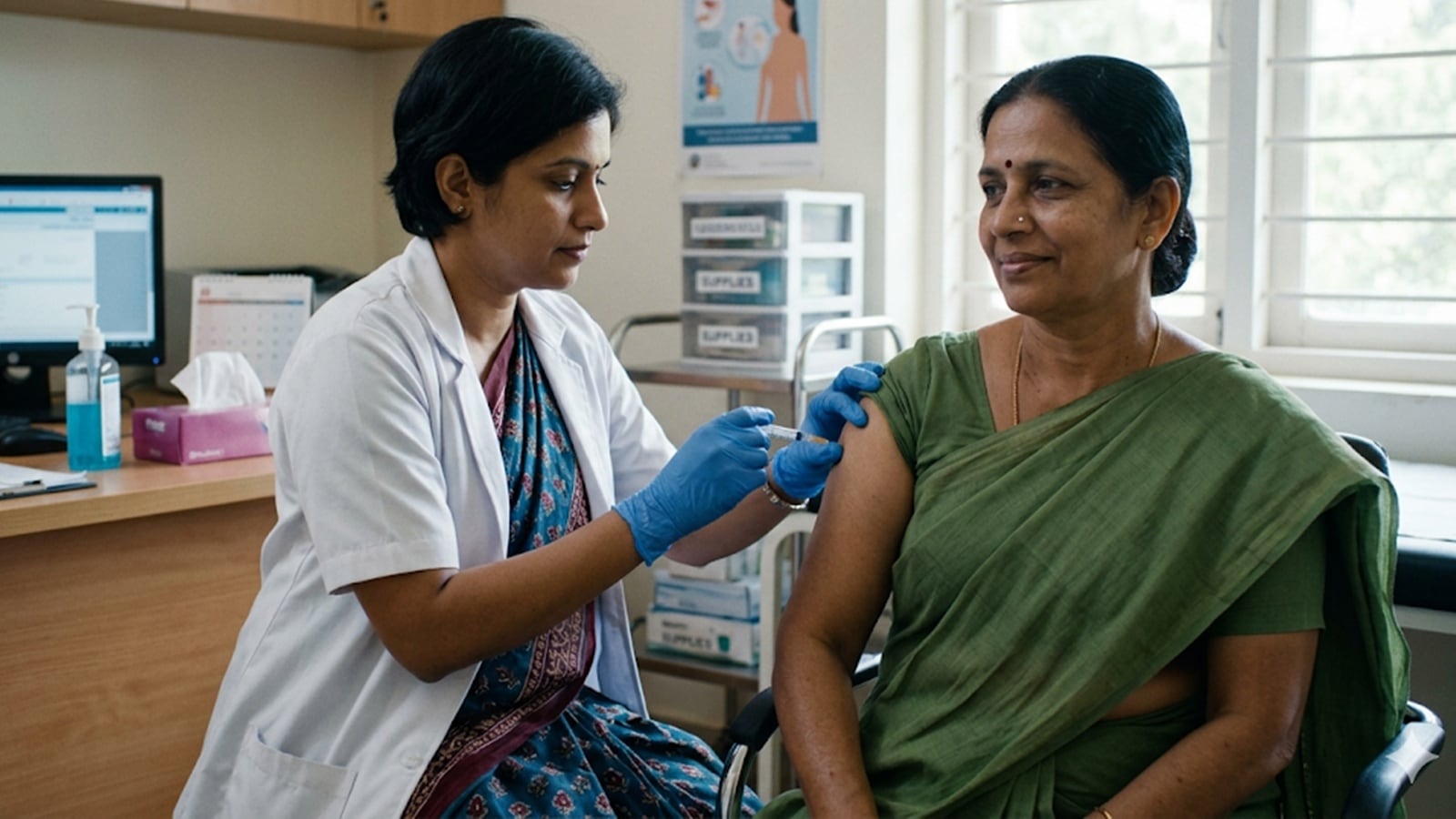
Seasonal flu is often brushed off as a minor illness, but health experts continue to stress that it can have more serious consequences, especially for certain groups. Despite this, flu vaccination remains underutilised in many parts of the country, often due to confusion around who actually needs it, how often it should be taken, and whether it makes a meaningful difference.
In a recent post on X, Hyderabad-based neurologist Dr Sudhir Kumar addressed these concerns in detail, beginning with the basics. He wrote, “Flu vaccine: Who needs it, how often, and is it worth it?”
DISCLAIMER: This article is based on information from the public domain and/or the experts we spoke to. Always consult your health practitioner before starting any routine.
He outlined that “Annual influenza vaccination is recommended for:
🔸Elderly (≥60 years)
🔸Children (6 months–5 years)
🔸Pregnant women
🔸People with diabetes, asthma and heart Disease

🔸Healthcare workers,” adding that “Ideally, everyone benefits, but these groups benefit the most.”
He also clarified that the vaccine isn’t a one-time measure. “It is recommended to be taken once every year.” This is because flu viruses keep changing, and immunity wanes over time. He noted, “In India, the best time to take it is April-May (before monsoon peak).”
The type of vaccine can also raise questions, but Dr Kumar simplified the choice: “There are two options:
🔸Trivalent (protects against 3 strains of flu viruses)
🔸Quadrivalent (protects against 4 strains).
The quadrivalent vaccine is preferred because of broader protection. All approved vaccines are effective and safe. Brand matters less than getting vaccinated on time.”
Story continues below this ad
Addressing common concerns, he added, “Side effects are usually mild, which include injection site pain, low-grade fever and body ache. Serious reactions such as immune-mediated complications are very rare. Vaccine does NOT cause flu.”
He also highlighted specific cases where caution is needed: “Severe allergy to previous flu vaccine, history of severe allergic reaction to components, moderate — severe acute illness → delay, not avoid,” while reiterating that “Flu vaccine is safe in pregnancy and most chronic diseases.” Importantly, he emphasised why the vaccine matters beyond just preventing infection: “Flu is often a mild illness, but it is NOT always ‘mild’. Severe flu can result in hospitalisation, including mechanical ventilation and ICU care, worsening of chronic diseases, and can even result in myocardial Infarction (heart attack) in high-risk individuals.” Summing it up, he noted, “Annual flu vaccine is a simple, safe, underused protection. The flu shot is not just about flu; it is about preventing complications.”
How can individuals better assess their personal risk and decide whether vaccination should be a priority?
Dr Palleti Siva Karthik Reddy, MBBS, MD general medicine, FAIG, consultant physician at Elite Care Clinic, tells indianexpress.com, “Assessing personal risk involves looking beyond just age or existing illness. While older adults, pregnant women, young children, and those with chronic conditions such as diabetes, asthma, or heart disease are clearly at higher risk, even otherwise healthy individuals can develop complications in certain circumstances.”
Flu vaccine: Who needs it, how often, and is it worth it?
1. Who should take it?
Annual influenza vaccination is recommended for:
🔸Elderly (≥60 years)
🔸Children (6 months–5 years)
🔸Pregnant women
🔸People with diabetes, asthma and heart Disease
🔸Healthcare workers… https://t.co/eZ4JdtzqWv— Dr Sudhir Kumar MD DM (@hyderabaddoctor) March 29, 2026
Key considerations include lifestyle and exposure risk, a recent history of respiratory infections, and close contact with high-risk individuals, Dr Reddy states. It is also important to recognise that influenza can trigger inflammatory responses that may worsen underlying cardiovascular conditions or lead to complications like secondary bacterial infections.
“A practical approach is to view the flu vaccine as a preventive measure that reduces uncertainty. For most individuals, especially in urban settings with high population density, annual vaccination is a reasonable and proactive step to minimise both personal and public health risks,” suggests the expert.
Story continues below this ad
DISCLAIMER: This article is based on information from the public domain and/or the experts we spoke to. Always consult your health practitioner before starting any routine.

Leave a Reply