
3 min readNew DelhiApr 11, 2026 12:00 PM IST
“I am in my mid-30s and worried I am hitting peri-menopause. Has anyone experienced perimenopause in their 30s?” The question, posted by a user on Quora, reflects a growing concern among many women navigating unexplained hormonal symptoms earlier than expected.
Perimenopause, the transitional phase before menopause, is typically associated with women in their 40s. However, doctors say that in some cases, hormonal fluctuations can begin earlier, which may lead to confusion about whether symptoms are related to perimenopause or other health issues.
According to Dr Gandhali Deorukhkar, Gynaecologist-Obstetrician associated with several leading hospitals in Mumbai, while early symptoms are possible, they are not always caused by perimenopause. “Perimenopause generally begins in the early to mid-40s,” says Dr Deorukhkar. “However, some women may notice hormonal fluctuations in their late 30s. In rare situations, symptoms can appear even earlier.”
DISCLAIMER: This article is based on information from the public domain and/or the experts we spoke to. Always consult your health practitioner before starting any routine
Why early symptoms are often misunderstood
“These early signs are often mistaken for stress, lifestyle changes, thyroid problems, anxiety, or sleep disturbances,” Dr Deorukhkar explains. “Because of this overlap, women may not immediately associate their symptoms with hormonal changes.”
“If symptoms continue for several months or begin affecting daily life, it is important to consult a healthcare professional for proper evaluation,” she adds.
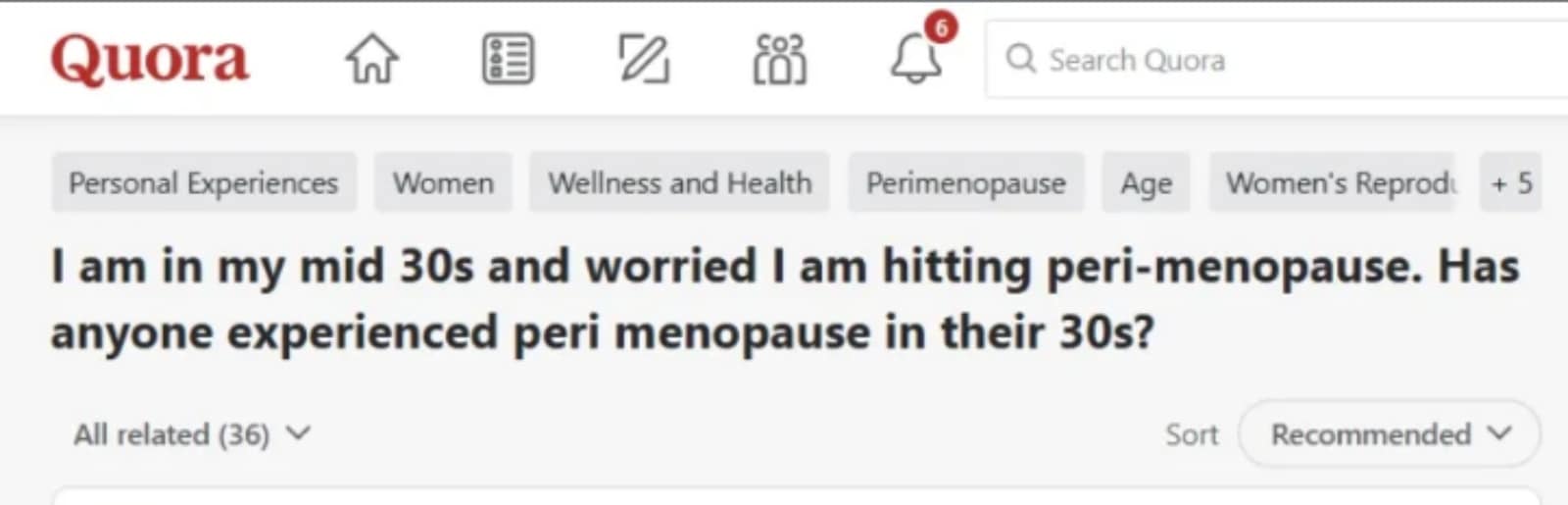 Quora Query (Photo: Website/quora.com)
Early symptoms women in their 30s should watch for
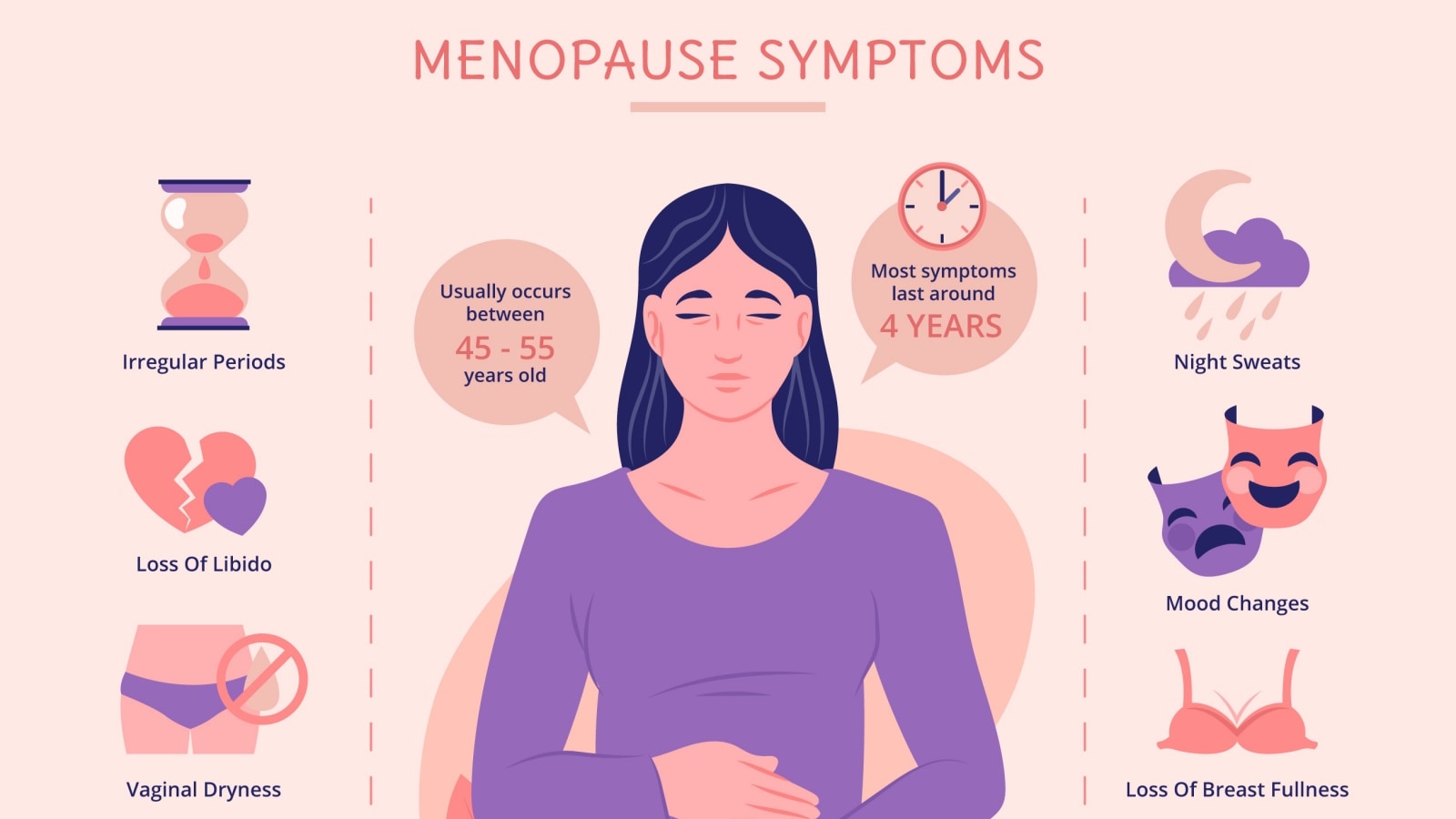
“The earliest symptoms are often subtle,” says Dr Deorukhkar. “Women may notice irregular menstrual cycles, changes in menstrual flow, mood swings, fatigue, or sleep disturbances.”
Some women may also experience:
Story continues below this ad
- Difficulty concentrating
- Increased irritability
- Reduced energy levels
- Occasional hot flashes or night sweats
- Headaches
- Mild weight gain
- Decreased libido
“These symptoms occur because hormone levels begin to fluctuate during the perimenopausal transition,” Dr Deorukhkar explains. However, she emphasises that experiencing one or two of these symptoms does not necessarily mean perimenopause has started.
How doctors evaluate early perimenopause
“Diagnosis typically starts with reviewing the patient’s medical history, menstrual cycle patterns, and symptoms,” says Dr Deorukhkar.
Blood tests may also be recommended to check hormone levels, including:
- Follicle-stimulating hormone (FSH)
- Estrogen levels
- Thyroid hormones
“In some cases, additional tests may be done to rule out other conditions such as thyroid disorders or polycystic ovary syndrome (PCOS), which can produce similar symptoms,” she explains.
Story continues below this ad
Since hormone levels can fluctuate significantly during this stage, diagnosis often involves evaluating symptoms alongside laboratory tests rather than relying on a single result, she adds.
DISCLAIMER: This article is based on information from the public domain and/or the experts we spoke to. Always consult your health practitioner before starting any routine

Leave a Reply