
4 min readNew DelhiApr 12, 2026 09:00 PM IST
Split ends are one of the most common hair concerns—and also one of the most misunderstood. From expensive serums to DIY fixes, people try everything to “repair” them. But what actually works?
To find out, we spoke to dermatologist Dr Shivani Yadav, Founder of Skin Avenue Clinic, who breaks down the causes of split ends and how to manage them properly.
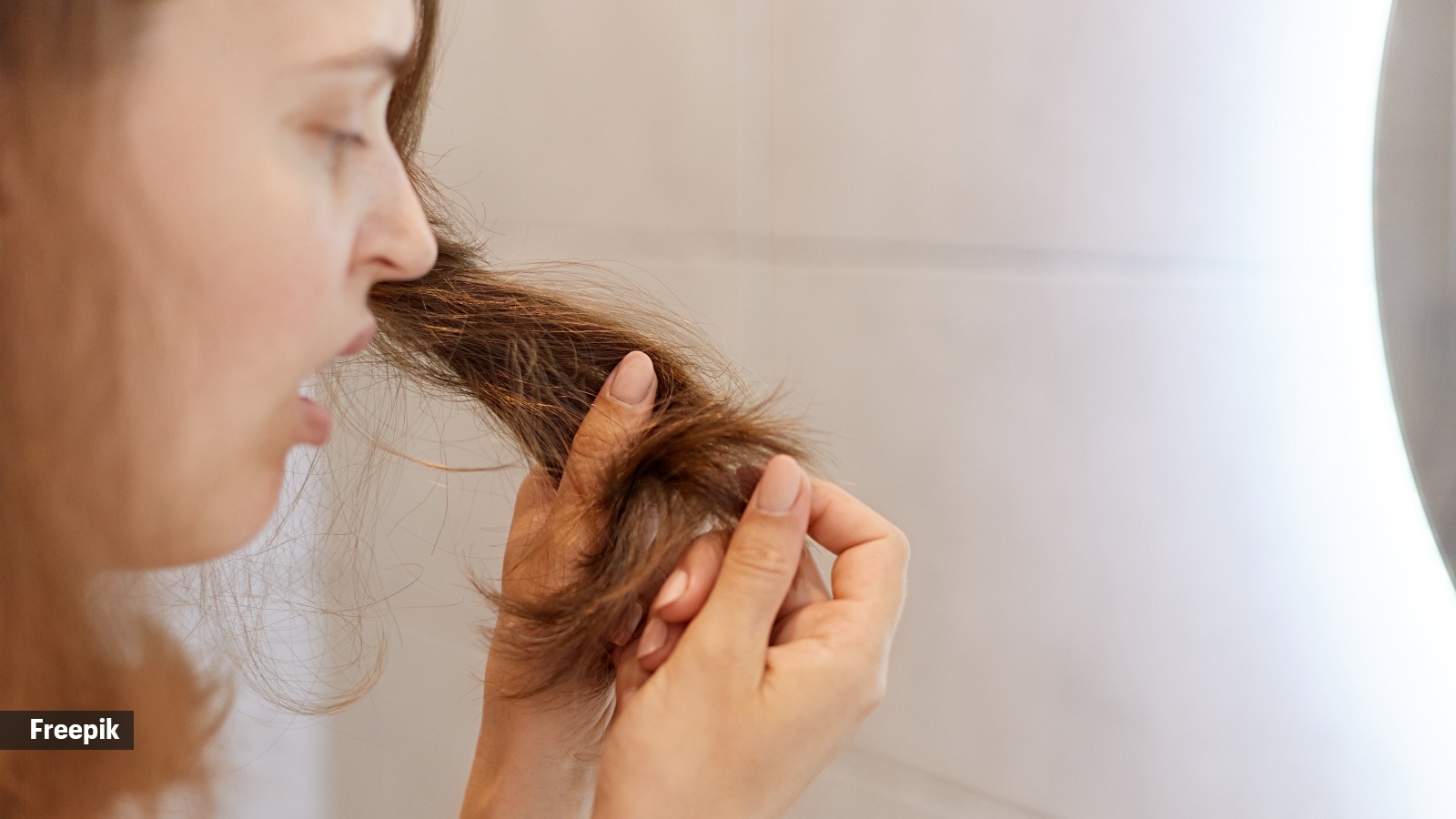
Dr Yadav explains that split ends, medically known as “trichoptilosis,” occur when the outer protective layer of the hair (the cuticle) is damaged. This leads to fraying, where a single strand splits into two or more parts. According to Dr Yadav, everyday habits are often to blame.
“The most common causes include excessive heat styling, frequent chemical treatments, over-washing, harsh shampoos, and environmental factors such as sun exposure, pollution, and humidity,” she explains. Even tight hairstyles and rough towel-drying can weaken hair over time.
DISCLAIMER: This article is based on information from the public domain and/or the experts we spoke to. Always consult your health practitioner before starting any routine.
Can split ends actually be repaired?
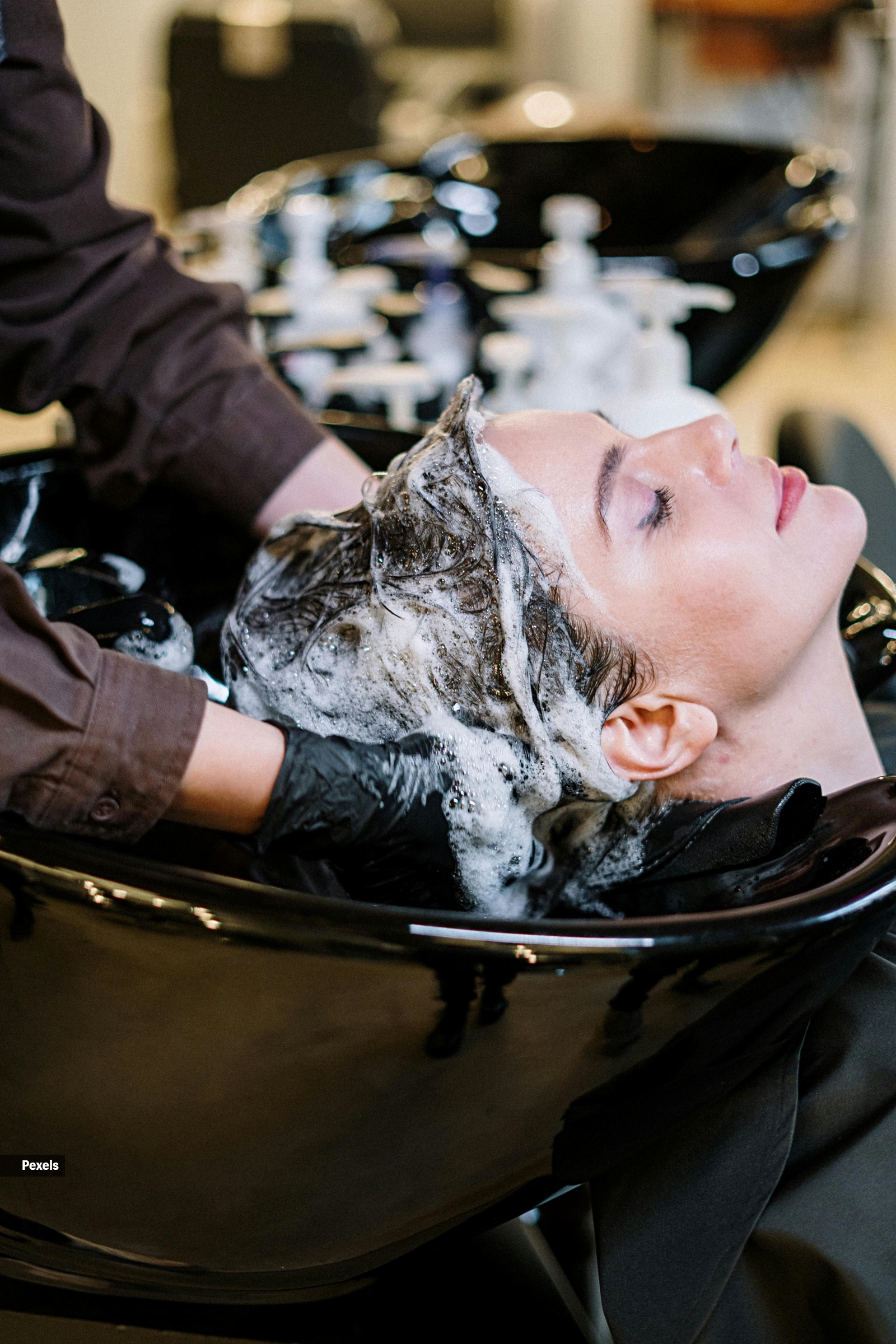 Frequent chemical treatments like coloring, rebonding or keratin, over-washing, and harsh shampoos can also lead to split hair (Image: Freepik)
This is where most people get it wrong. “Once a hair strand has split, it cannot be permanently repaired,” Dr Yadav says. While many products claim to “seal” split ends, they only offer temporary smoothing.
“The only effective and long-term solution is trimming the damaged portion,” she adds. Regular trims help prevent the split from travelling further up the hair shaft and causing more breakage.
Story continues below this ad
What actually helps manage split ends?
“While you can’t reverse them, you can definitely manage and minimise their appearance,” the dermatologist assures. Dr Yadav recommends starting with a gentle, sulfate-free shampoo, followed by a nourishing conditioner. Weekly deep conditioning masks can help restore moisture, while a lightweight serum or leave-in conditioner can smooth the hair and reduce friction.
It’s also important to limit heat styling. “Always use a heat protectant when you do,” she advises. Switching to a wide-tooth comb and detangling gently—especially when hair is wet—can also minimise breakage.
Dermatologist-approved tips to prevent split ends
Prevention is key when it comes to healthy hair. Dr Yadav suggests trimming your hair every 6–8 weeks to keep ends healthy. Reducing heat styling and avoiding excessive chemical treatments can go a long way.
Protecting your hair from environmental stress is equally important. Cover your hair in harsh sun or pollution, and consider switching to silk or satin pillowcases to reduce friction while sleeping.She also highlights the role of nutrition. “Ensure your diet includes adequate protein, vitamins, and minerals to support hair health from within,” she says, adding that hydration and stress management also play a role in maintaining hair quality.
“While split ends cannot be repaired once formed, they can be effectively managed and prevented with the right care routine and professional guidance. Healthy hair is a combination of consistent care, the right habits, and timely intervention,” Dr Yadav concludes.
Story continues below this ad
DISCLAIMER: This article is based on information from the public domain and/or the experts we spoke to. Always consult your health practitioner before starting any routine.

Leave a Reply