
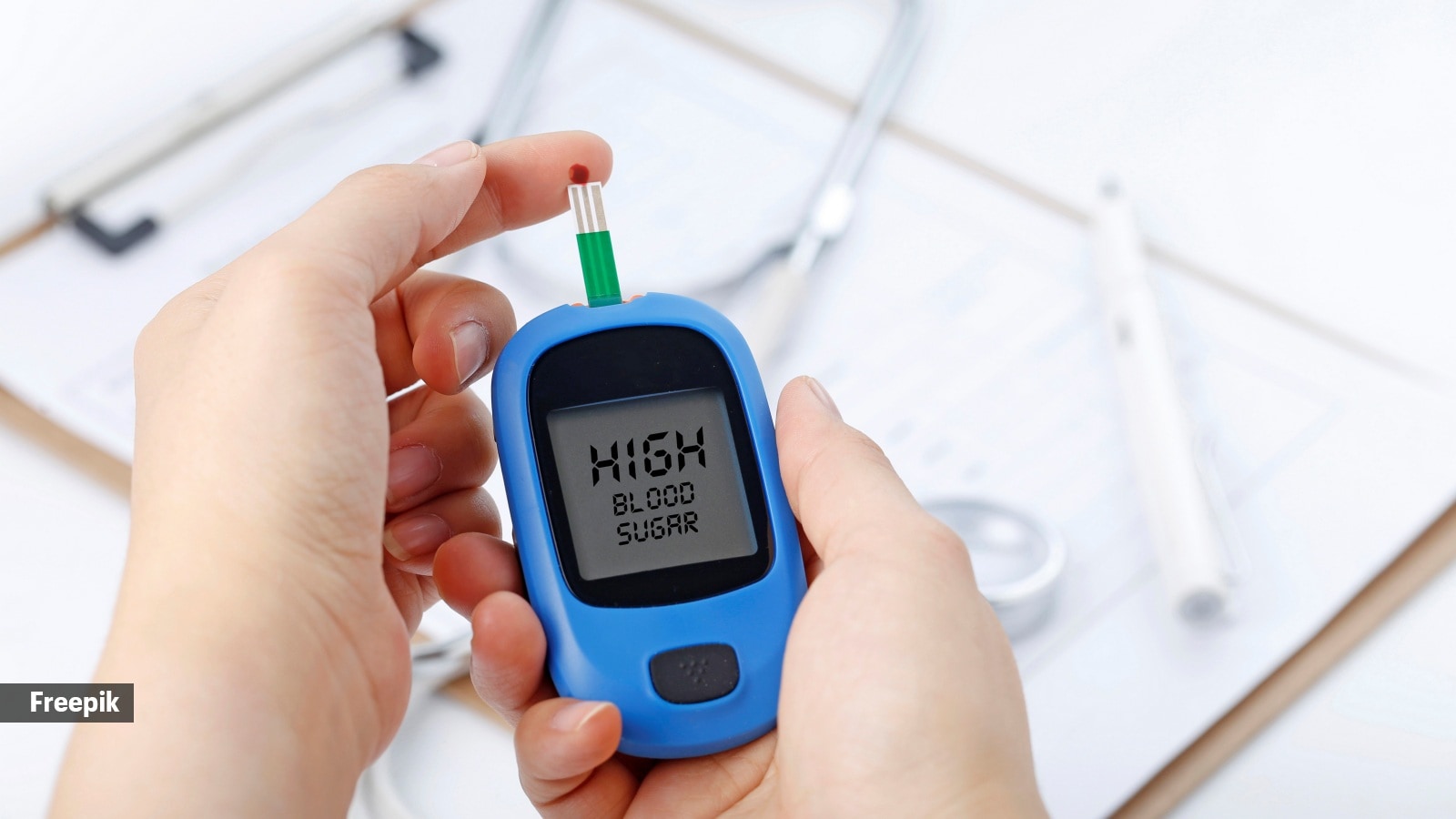
3 min readNew DelhiApr 13, 2026 04:00 PM IST
The idea of having both insulin resistance and elevated blood sugar levels isn’t just possible — it is the hallmark of Type 2 diabetes. While the body can initially compensate for insulin resistance by producing more insulin, blood sugar levels inevitably rise once the pancreas can no longer keep up with the demand.
The discussion recently flared up on Quora, where an internet user enquired ‘Can you be both insulin resistant and have elevated blood sugar?’. We reached out to Dr Rajiv Kovil, Head of Diabetology and weight loss expert, Zandra Healthcare and Co-founder of Rang De Neela Initiative, seeking answers, rooted in medical facts.
“The answer is a clear and clinically important yes,” the diabetologist tells indianexpress.com confirming the possibility.
DISCLAIMER: This article is based on information from the public domain and/or the experts we spoke to. Always consult your health practitioner before starting any routine.
The hidden phase before blood sugar rises
“It is often the earliest detectable abnormality in metabolic disease, long before glucose levels begin to rise,” the diabetologist notes, pointing out that the human body has a remarkable ability to compensate.
In the early stages, you can be insulin resistant while your blood sugar still looks completely normal. That’s because the body produces extra insulin to keep glucose levels in check.
Even during this phase, changes may already be underway—higher insulin levels, increasing belly fat, and low-grade inflammation—often without obvious warning signs.
Story continues below this ad
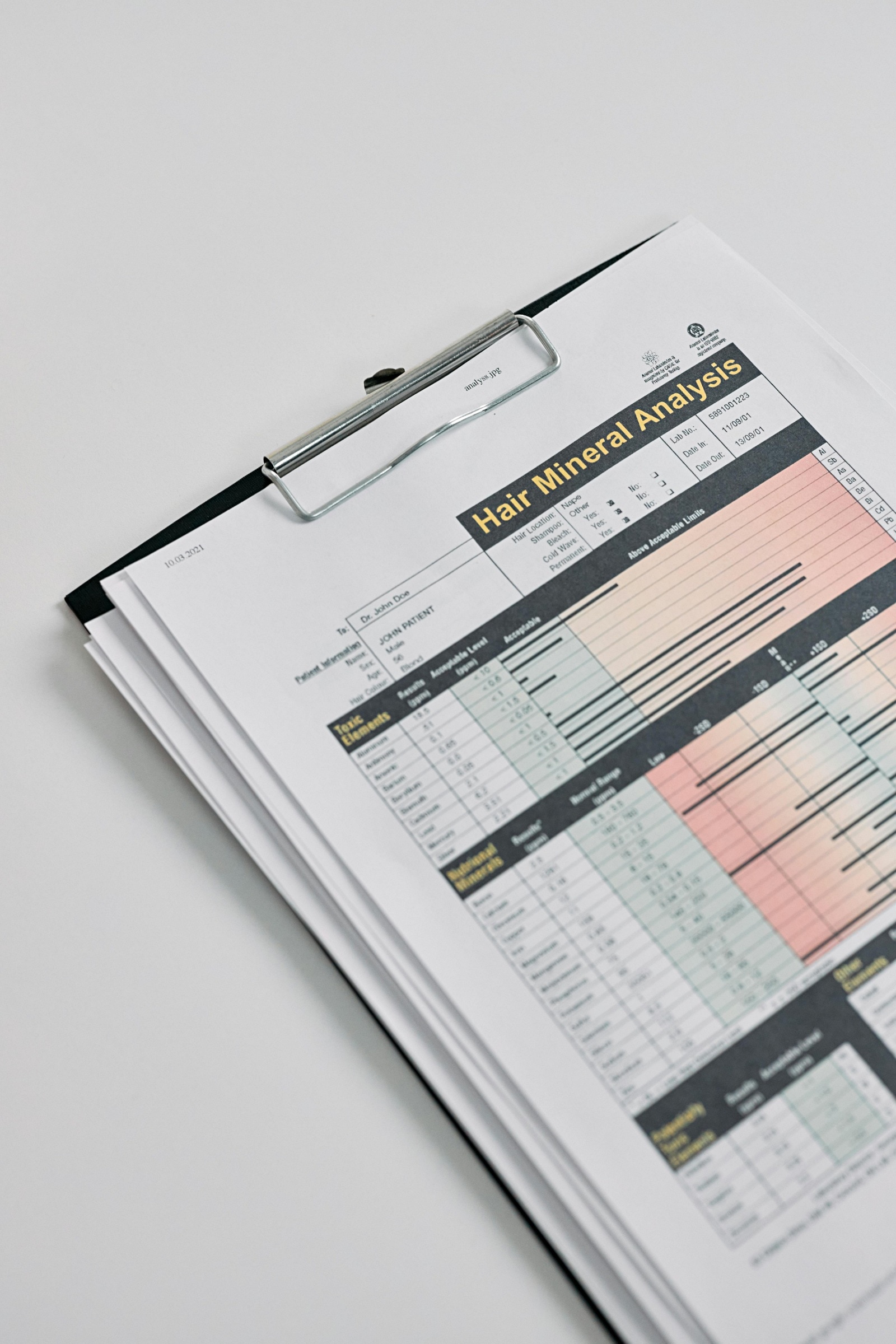 Lab reports often miss early metabolic dysfunction and detect disease only when it is established (Image: Pexels)
Over time, this balance can break down. When the pancreas can no longer keep up with the body’s rising insulin demand, blood sugar begins to rise. That’s when both insulin resistance and elevated glucose exist together—often signalling progression toward Type 2 Diabetes.
“By the time glucose rises, years of metabolic injury have already occurred,” Dr Kovil says.
Why normal reports can be misleading—and what to watch for
Routine tests like fasting glucose or HbA1c don’t measure insulin resistance directly.
“They reflect glucose levels, not insulin dynamics and often detect disease only when it is established,” he explains.
Story continues below this ad
This is why some people may still experience fatigue, weight gain, or post-meal energy crashes despite having “normal” reports.
The encouraging part: insulin resistance doesn’t always progress to Type 2 Diabetes. With timely lifestyle changes—like regular exercise, balanced nutrition, good sleep, and weight management—insulin sensitivity can improve significantly.
“Normal sugar does not always mean normal metabolism,” Dr Kovil emphasises. To put it simple, catching insulin resistance early is key; because by the time blood sugar rises, the condition may already be well underway.
DISCLAIMER: This article is based on information from the public domain and/or the experts we spoke to. Always consult your health practitioner before starting any routine.

Leave a Reply