
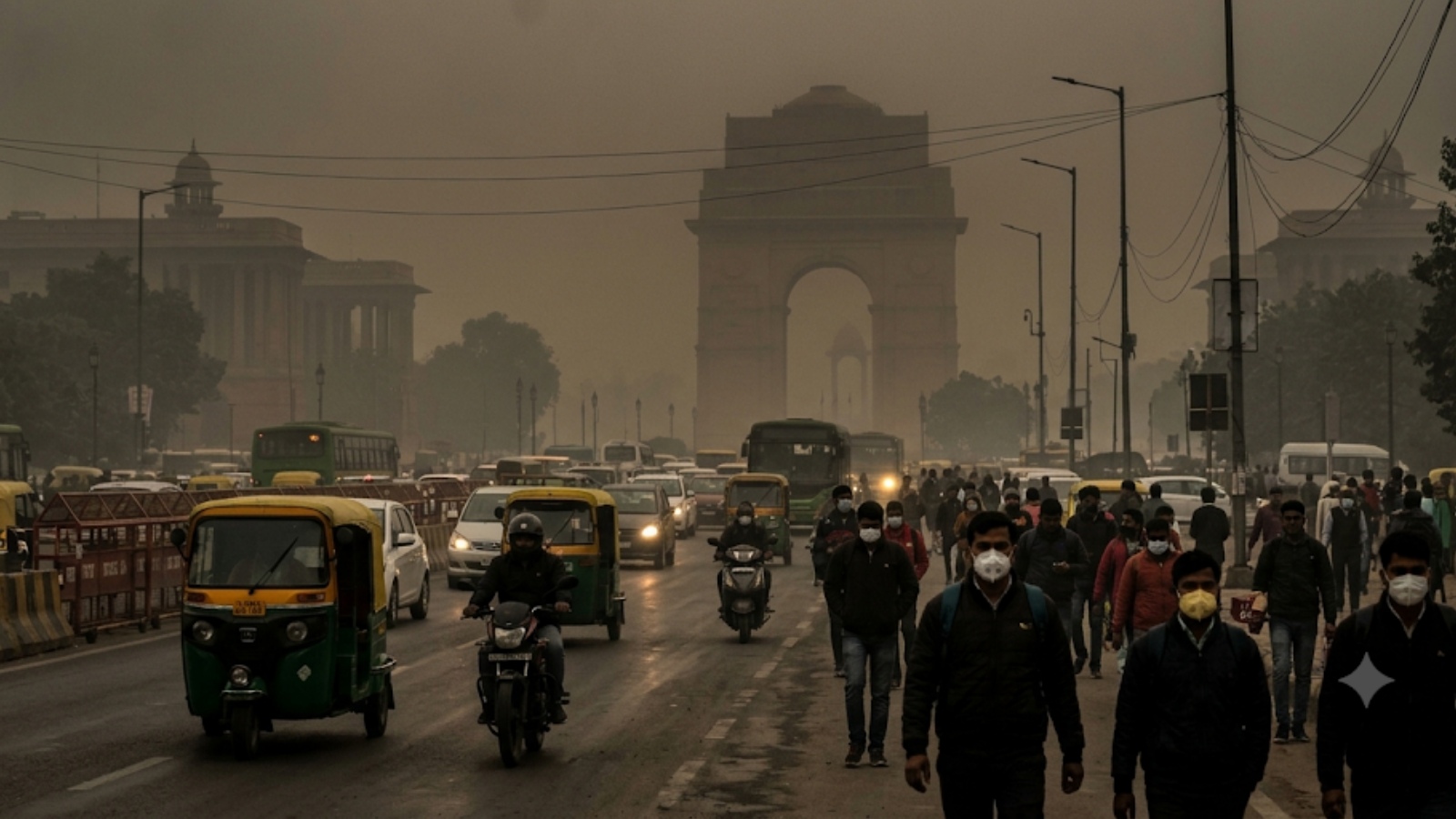
When the Air Quality Index (AQI) crosses 400, stepping outdoors can become a serious health concern. While coughing, throat irritation and breathlessness are among the immediate symptoms people may experience, the effects of prolonged exposure to extremely polluted air can extend far beyond the respiratory system.
Fine particulate matter, particularly PM2.5, can penetrate deep into the lungs and, in some cases, enter the bloodstream. This can trigger inflammation and oxidative stress, affecting not just the lungs but also the heart and blood vessels. Over time, exposure can worsen existing respiratory illnesses, compromise lung function and increase the risk of cardiovascular complications.
The risks are particularly concerning for older adults and people living with conditions such as asthma, diabetes, hypertension and heart disease, whose bodies may already be more vulnerable to the effects of environmental stressors.
Dr Akshay Budhraja, Senior Consultant and Head of Respiratory and Sleep Medicine at Aakash Healthcare, explains how prolonged exposure to AQI levels above 400 affects the body, why certain groups need to exercise greater caution, and what precautions people should take during episodes of severe air pollution.
DISCLAIMER: This article is based on information from the public domain and/or the experts we spoke to. Always consult your health practitioner before starting any routine.
How does AQI above 400 affect your lungs?
At AQI levels above 400, the concentration of pollutants in the air is extremely high, making prolonged exposure particularly hazardous. One of the biggest concerns is PM2.5, or fine particulate matter, which is small enough to travel deep into the respiratory tract and reach the alveoli, the tiny air sacs in the lungs where oxygen exchange takes place.
Explaining the impact, Dr Budhraja says, “At AQI level of more than 400, the air is highly hazardous. With long-term exposure, it results in massive destruction to the respiratory and the vessel system.”
Story continues below this ad
These fine particles can irritate the airways and trigger inflammation and oxidative stress. This may initially manifest as coughing, wheezing, chest tightness and throat irritation. However, the consequences can become more serious with continued exposure.
“Prolonged exposures can even lead to reduced lung function, worsening of already existing respiratory illnesses and an increased risk for respiratory tract infections,” he explains.
For people with healthy lungs, repeated exposure can still place considerable stress on the respiratory system. For those who already have asthma, chronic obstructive pulmonary disease (COPD) or other respiratory conditions, the effects can be more pronounced.
Why are older adults and people with chronic conditions more vulnerable?
According to Dr Budhraja, ageing itself can make the body less equipped to deal with the effects of prolonged exposure to pollutants.
Story continues below this ad
“Older people are vulnerable because lung capacity, immune responses and the ability of the body to recover from inflammations decrease naturally with age,” he says.
This means that older adults may find it harder to recover from pollution-induced respiratory irritation and inflammation. They may also be more susceptible to infections and worsening respiratory symptoms.
People with asthma and other existing respiratory illnesses face a different set of challenges. Their airways may already be sensitive or inflamed, making them more reactive to airborne pollutants.
“Those with asthma and other respiratory diseases already have sensitive or inflamed airways that polluted air can trigger to cause serious effects like asthma attacks and shortness of breath,” Dr Budhraja explains.
Story continues below this ad
The risks are not limited to respiratory conditions. People with hypertension, diabetes and heart disease also need to be particularly cautious.
“Similarly, people with heart disease, diabetes, and high blood pressure are susceptible because air pollution can increase inflammation, oxidative stress, and damage blood vessels,” he says.
Prolonged exposure can aggravate existing health conditions and increase the risk of serious cardiovascular complications, including heart attacks and strokes.
How does toxic air travel beyond the lungs and affect the heart?
Dr Budhraja explains that PM2.5 particles can travel deep into the lungs and reach the alveoli, where oxygen is exchanged. Some of these particles, along with pollutants attached to them, can then penetrate the bloodstream and circulate through the body.
Story continues below this ad
“The air pollution includes ultrafine particles, such as PM2.5, that reach deep into your lungs to the ‘exchange’ area (the alveoli) for oxygen. Some of these particles and their attached pollutants can penetrate into the bloodstream and travel around the body,” he says.
Once these pollutants enter the body, they can trigger two important processes: oxidative stress and inflammation.
Oxidative stress occurs when reactive molecules damage cells and tissues. Meanwhile, inflammation can affect blood vessels and other organs, disrupting their normal functioning.
“Inflammation may affect not only the lungs but also blood vessels and other organs. It can also disrupt the normal function of blood vessels and contribute to blood clotting, as well as to dysregulation of cardiovascular homeostasis,” Dr Budhraja explains.
Story continues below this ad
This is particularly concerning because damage to blood vessels and changes in clotting mechanisms can increase cardiovascular risks. Severe air pollution can therefore affect the heart and brain, apart from compromising respiratory health.
As Dr Budhraja points out, “That is why severe air pollution is not only a lung problem but can affect the heart, brain and general metabolism.”
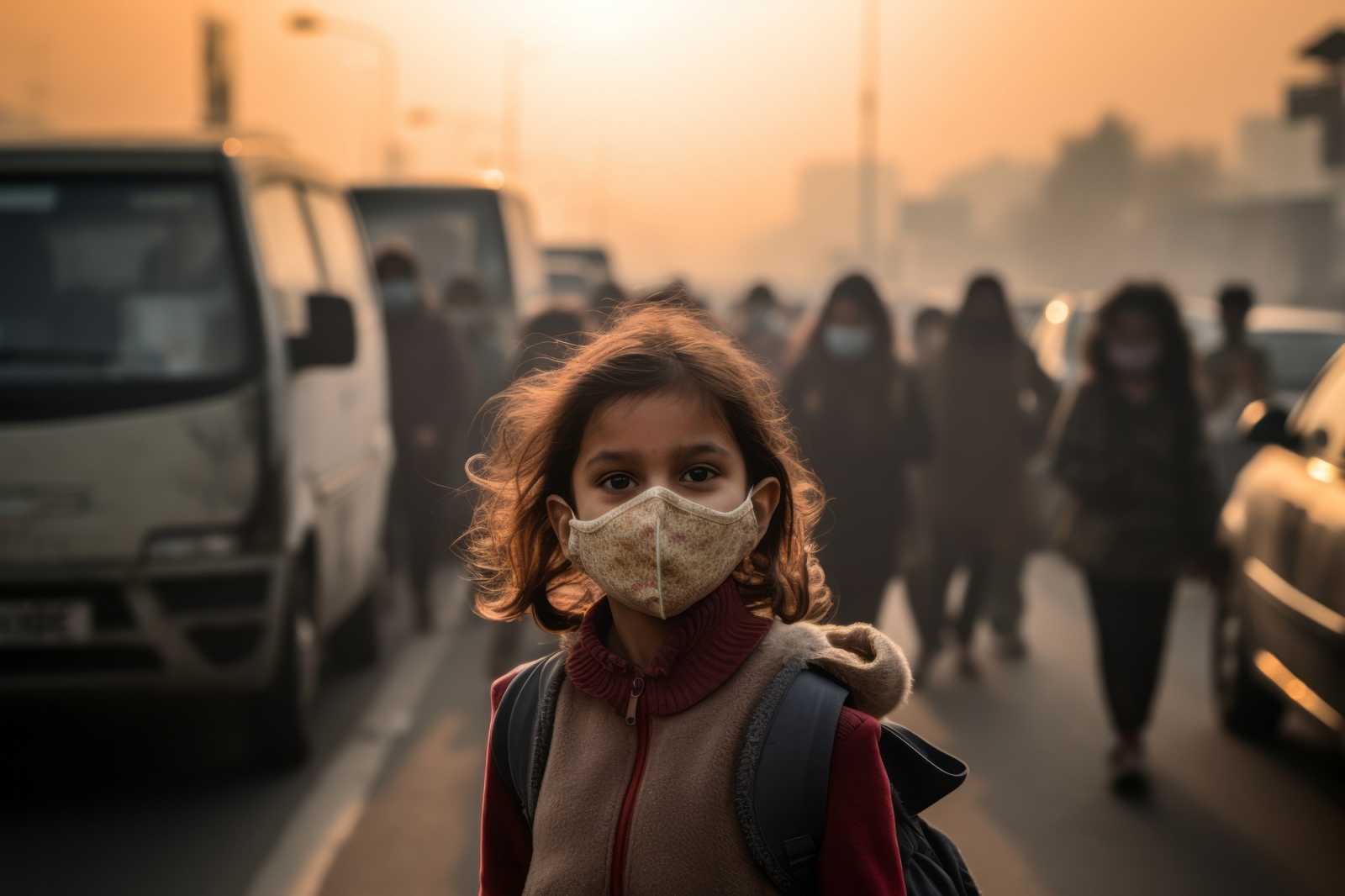 What happens to your body when AQI is above 400? (Photo: AI)
Can prolonged exposure to severe air pollution increase the risk of heart attacks?
Dr Budhraja explains that prolonged exposure can place considerable stress on the cardiovascular system.
“It also puts a strain on the heart and taxes that organ and increases the risk of heart attacks and strokes—especially to the most vulnerable,” he says.
Story continues below this ad
People with existing cardiovascular conditions may be at greater risk because their blood vessels and heart are already under stress. Similarly, individuals with diabetes and hypertension need to be cautious, as these conditions can independently affect blood vessel health.
While a single episode of exposure does not mean that someone will necessarily suffer a cardiac event, repeated exposure to extremely polluted air can aggravate underlying health problems and increase the overall burden on the cardiovascular system.
What precautions should you take when AQI crosses 400?
When AQI crosses 400, reducing exposure should be the priority. Even if you do not experience immediate symptoms, spending extended periods outdoors can increase the amount of pollution you inhale.
Dr Budhraja recommends avoiding outdoor physical activities during such episodes.
Story continues below this ad
“When AQI crosses 400, people should restrict their outdoor exposure. Skip your morning walks, jogs, bike rides, and outdoor exercises; you will only end up breathing in more polluted air,” he advises.
If stepping outside is unavoidable, wearing a properly fitted N95 or FFP2 mask can help reduce exposure to fine particulate matter. Ordinary cloth and surgical masks do not offer the same level of protection against PM2.5.
Indoor air quality also needs attention. Keeping windows and doors closed during periods of severe pollution and using an air purifier equipped with a HEPA filter, if available, can help reduce indoor particulate matter.
Dr Budhraja also cautions against activities that add to indoor pollution.
“Refrain from burning incense sticks or candles or from smoking/frying too much indoors, as this will only further pollute the air inside,” he says. People with asthma, COPD or other chronic conditions should continue taking their prescribed medication and keep emergency medication, such as rescue inhalers, readily accessible.
DISCLAIMER: This article is based on information from the public domain and/or the experts we spoke to. Always consult your health practitioner before starting any routine.

Leave a Reply