
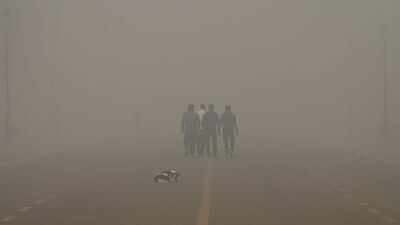
Every year, Delhi’s Diwali pollution debate is between two sources: firecrackers and vehicles. But the latest pollution data suggests the problem is more complex. Pollution can spike sharply in the case of fireworks, but vehicles are one of the biggest contributors to the city’s everyday PM2.5 burden.The real worry is what will happen when these emissions combine with an atmosphere that is already polluted and with bad weather.
Diwali fireworks add to existing pollution
Vehicles: An endless sourceThe Indian Institute of Tropical Meteorology (IITM) has set up a new Integrated Atmospheric Chemistry and Aerosol Toxicity Analysis Laboratory (AATAL), which gives a useful picture of Delhi’s pollution mix.
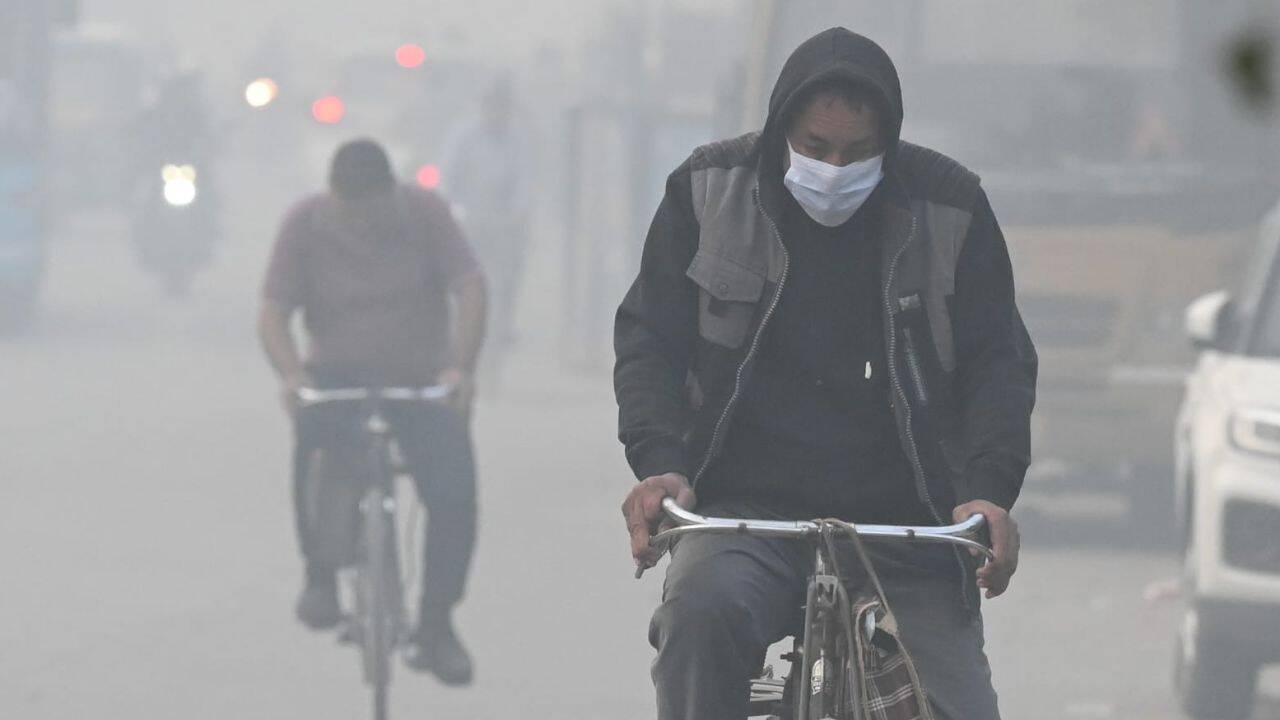
Diwali fireworks release fine particles that rapidly worsen air quality
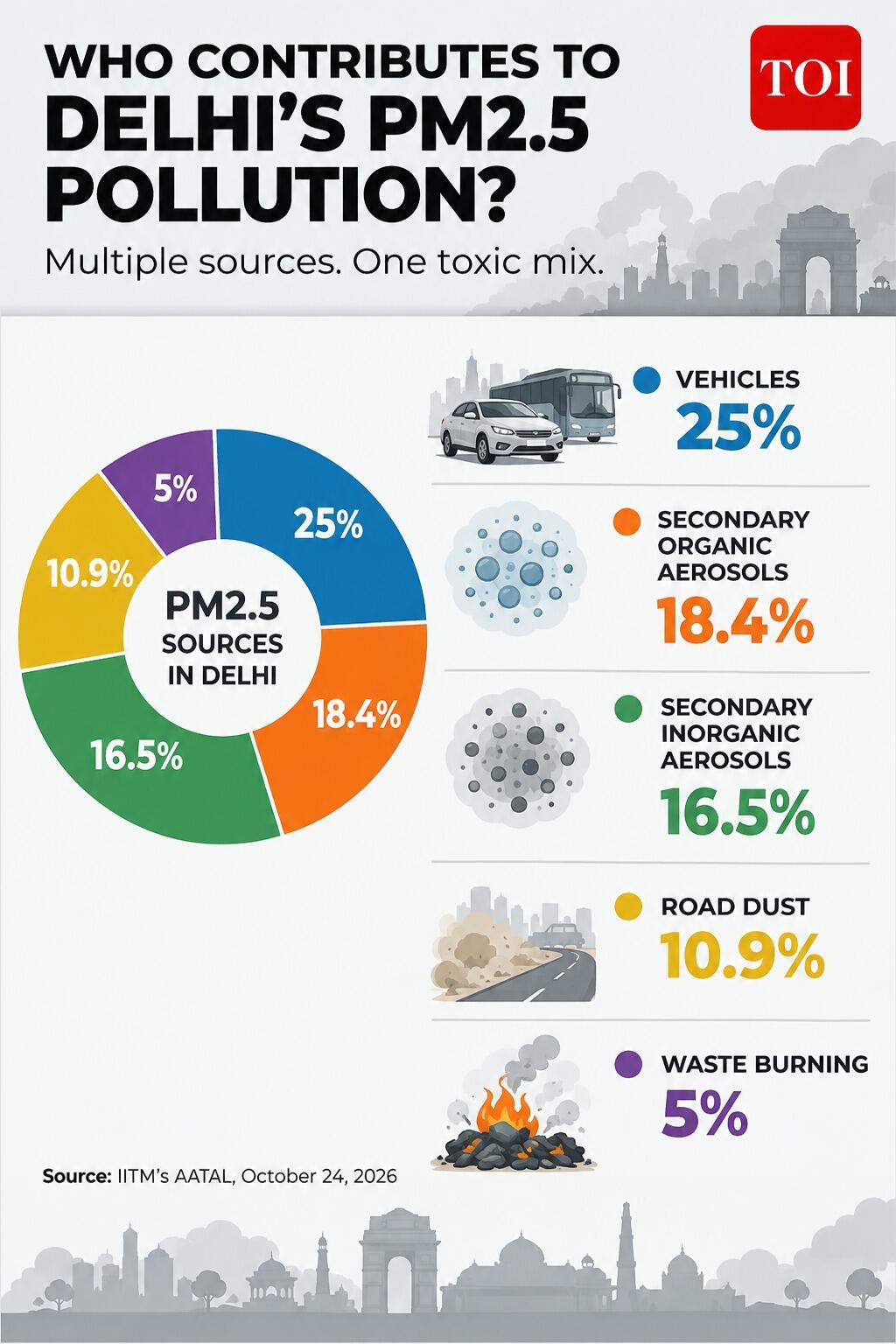
Vehicles were the single largest contributor to the city’s PM2.5 pollution on Oct. 24, accounting for 25%. Secondary organic aerosols contributed 18.4 %, followed by secondary inorganic aerosols (16.5 %), road dust (10.9 %) and waste burning (5 %).
Crackers push particulate levels sharply higher
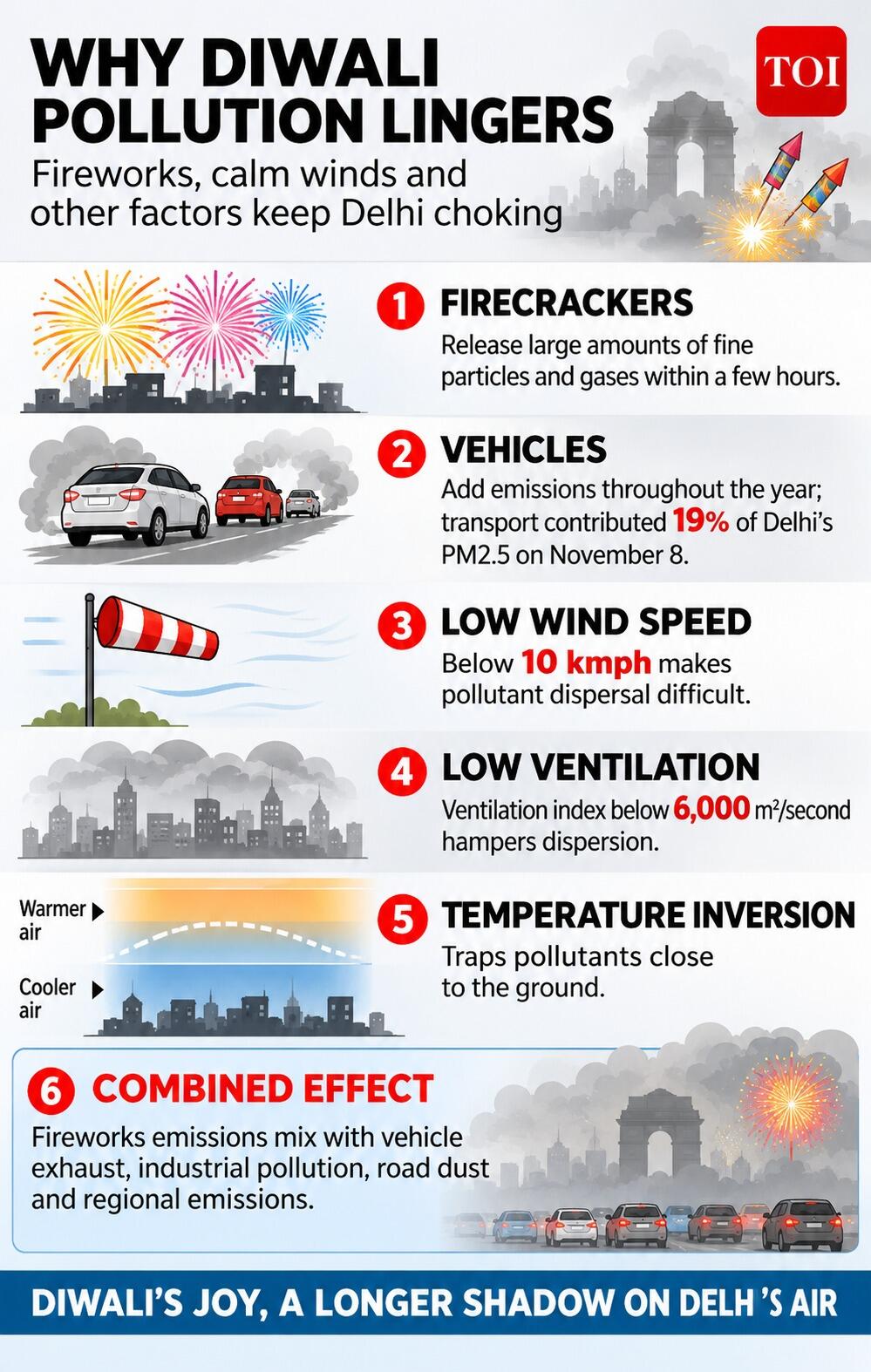
Even around Diwali the transport contribution was still substantial. Vehicles and transport emissions contributed 19% to Delhi’s PM2.5 pollution on the day of the festival, November 8, the largest identified source, estimated the IITM’s Decision Support System (DSS). The figure explains why vehicular pollution cannot be seen as a seasonal problem: unlike fireworks, traffic emissions persist throughout the year.
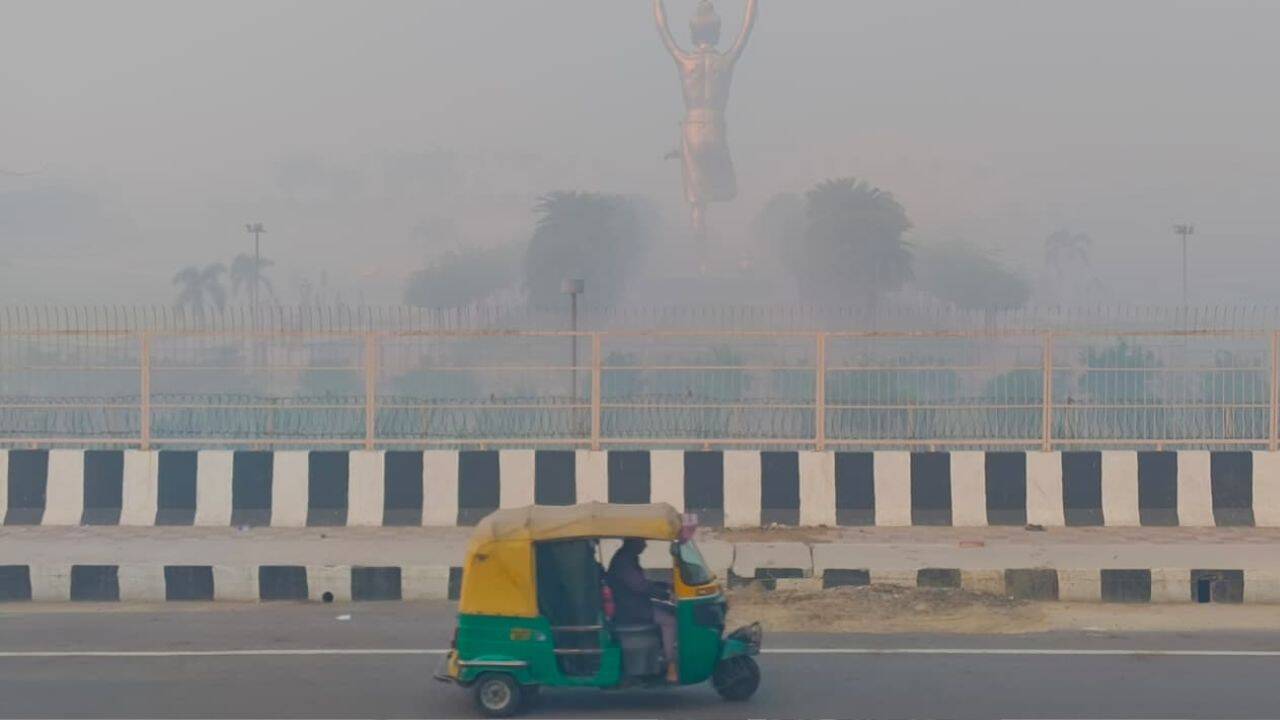
Low wind speeds and temperature inversion make it harder to disperse pollutants
What crackers bring to the tableBut firecrackers cause pollution of a different kind of episode. They tend to emit their emissions over a relatively short period of time, and they emit fine particles and gasses that can quickly degrade air quality.
Delhi’s PM2
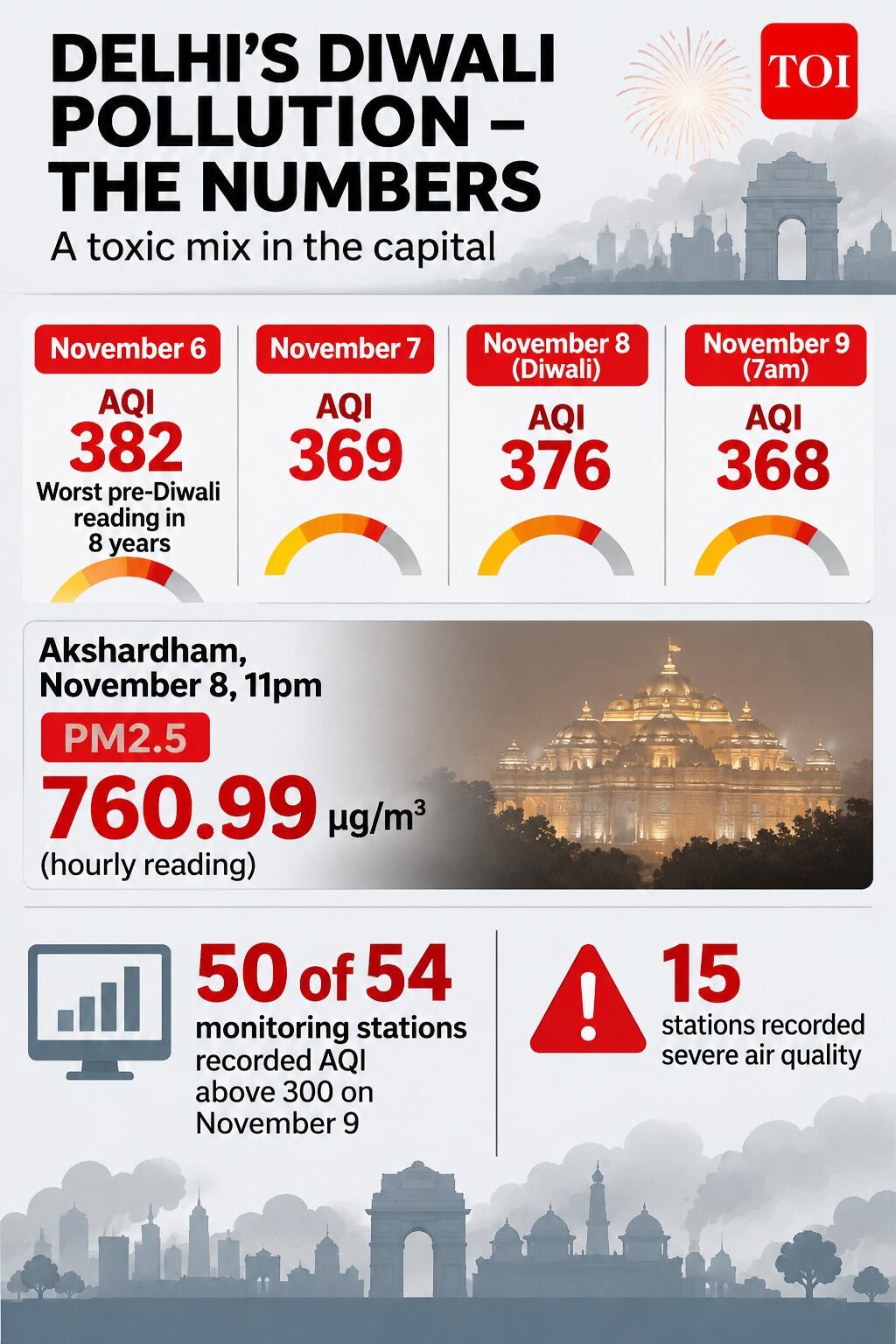
The effect was visible on the night of Diwali. The Delhi Pollution Control Committee’s data reported on November 9 showed that at Akshardham the PM2.5 concentration was at 760.99 micrograms per cubic meter at 11pm. This was an hourly reading, not a 24 hour average, but gives an idea of how intense the spike of pollution was.Delhi’s AQI had already fallen to 382 on November 6, its worst pre-Diwali reading in eight years, according to CPCB data. It averaged 376 on Diwali November 8, from 369 a day earlier. AQI stood at 368 at 7am on November 9. Of the 54 monitoring stations that reported valid readings, 50 were above 300 and 15 entered the severe category.Weather is the differenceAt the time when fireworks are set off, the Delhi atmosphere is becoming less conducive to dispersing pollutants. The Air Quality Early Warning System said dispersion is difficult when ventilation index is less than 6,000 square meters per second and average wind speeds are below 10kmph. Low temperatures and temperature inversion can also trap pollutants near the ground.That means fireworks smoke doesn’t just disappear when the party’s over. It adds to the existing emissions from vehicles, industry, dust and regional sources, thus adding to the particulate load.Can’t ignore either oneThe latest figures do not allow for simply blaming either crackers or vehicles. Fireworks are a concentrated blast of pollution to an already stressed atmosphere, but cars carry the burden of emissions daily. Cracker restrictions can curb the festive spike, but sustained improvement will depend on curbing transport emissions, controlling road dust and industrial pollution, and improving regional coordination. One night of action cannot fix a year-long problem of air pollution in Delhi.

Leave a Reply