
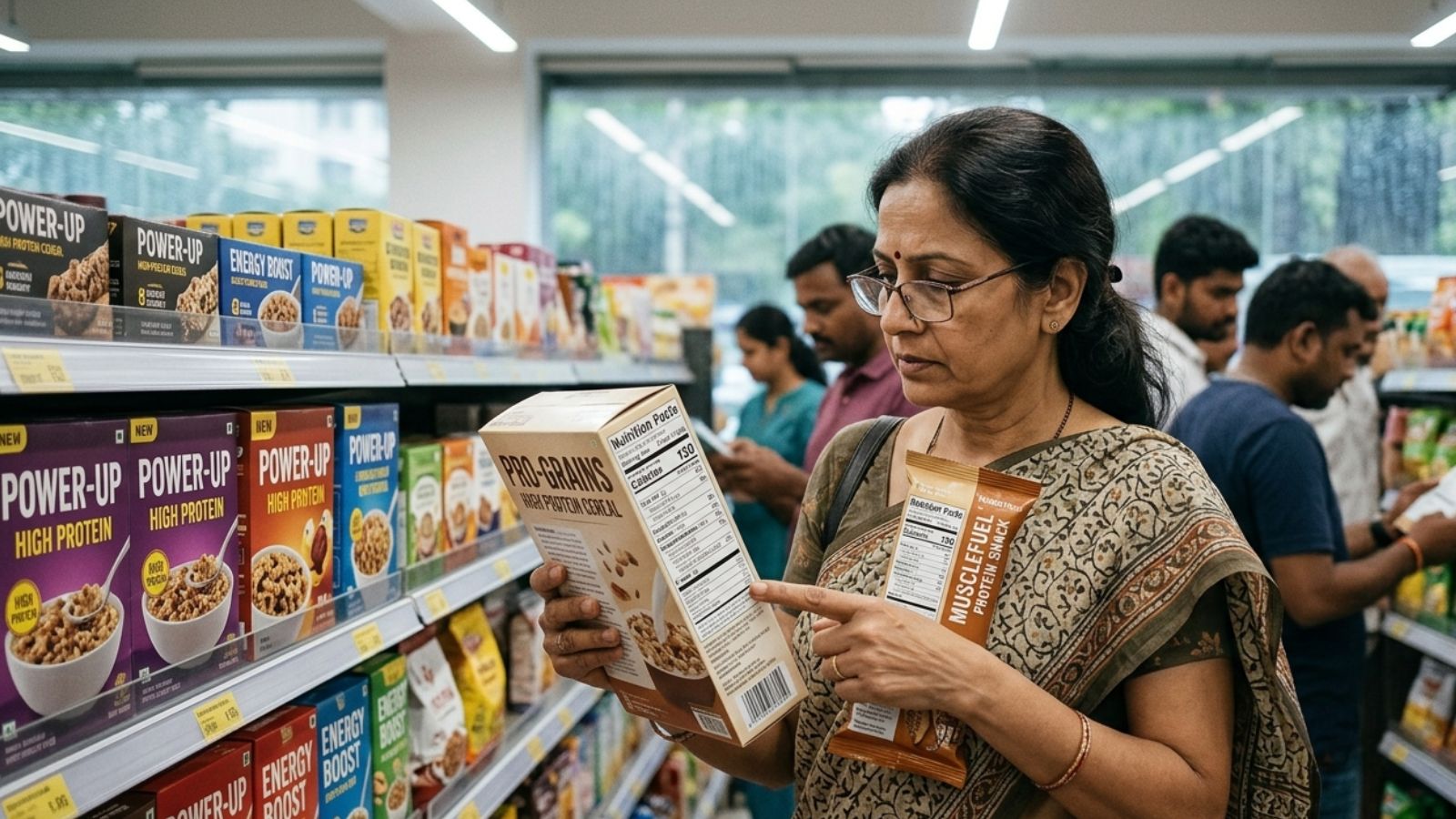
Protein has become a major selling point in the packaged food industry, with everything – from breakfast cereals and chips to biscuits, breads and chocolates marketed as high-protein alternatives. While these products can increase protein intake, the term ‘high protein’ on a package can be misleading and doesn’t always make a food healthy or nutritionally superior.
Dietitian Garima Goyal shares a checklist before you go ahead and pick up a product that claims ‘high-protein’:
DISCLAIMER: This article is based on information from the public domain and/or the experts we spoke to. Always consult your health practitioner before starting any routine.
1. Read the nutrition label, not just the front of the pack:
First, check the actual protein content on the nutrition information panel. A product may advertise added protein but still provide only a modest amount per serving. Consumers should compare protein content per 100g and per serving, rather than relying solely on prominent marketing claims.
2. Check the serving size carefully:
Some products display impressive protein figures for unusually large serving sizes. For example, a snack containing 10g of protein in a 100g pack provides only 2g if you eat 20g. Always calculate how much protein you actually obtain from the quantity you eat.
3. Look beyond protein content:
A product can contain added protein while also being high in added sugar, sodium, saturated fat, or calories. Protein fortification does not automatically improve a food’s overall nutritional quality. Check the complete nutrition label and ingredient list before deciding whether it deserves a place in your daily diet.
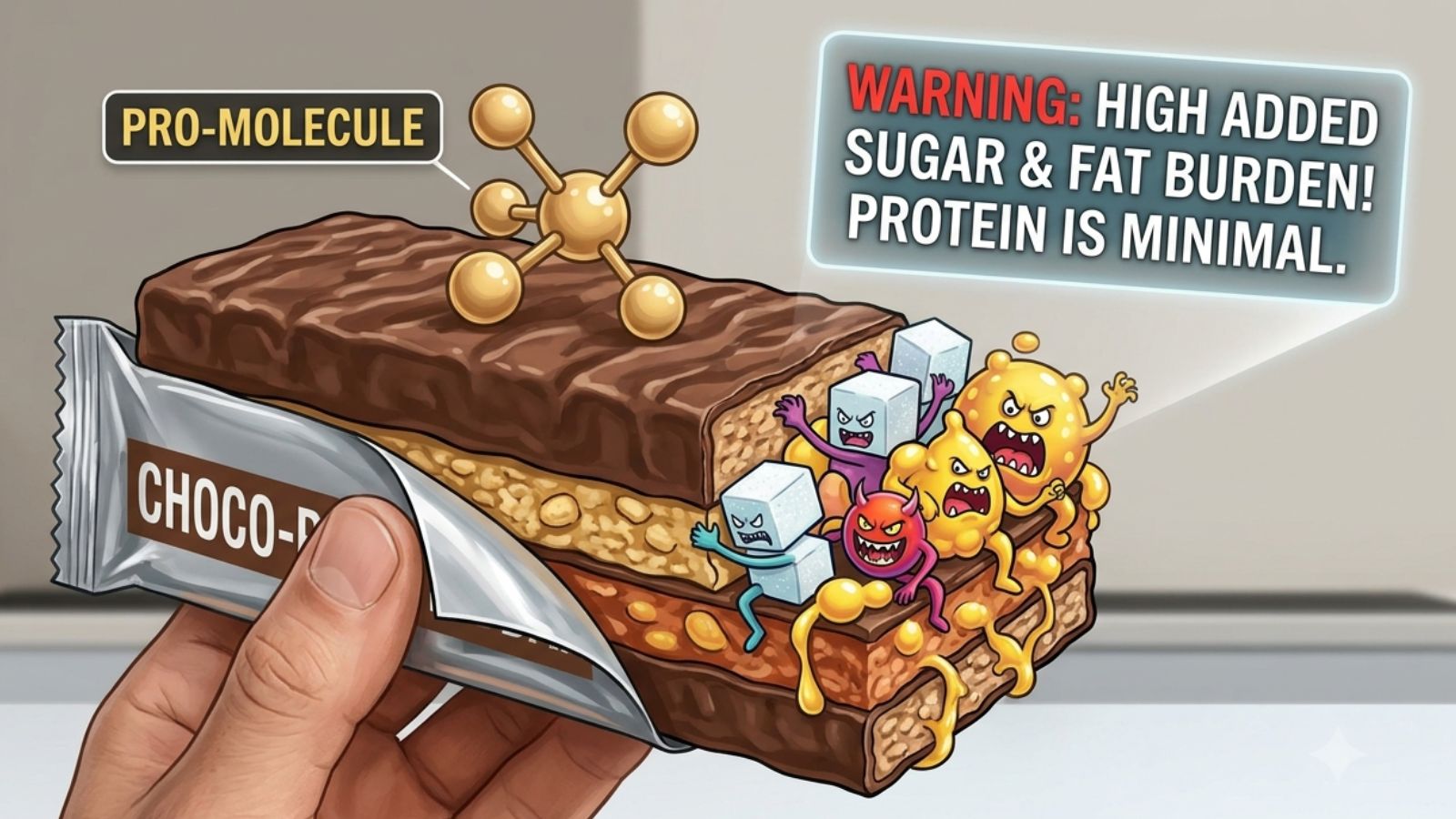 High-protein claims are increasingly common across packaged food categories, from cereals and biscuits to snacks. (AI-generated image for representational purposes only)
4. Identify the protein source:
Ingredients such as milk solids, whey, soy protein, pea protein, and other protein-rich ingredients may be used to increase protein content. Their nutritional characteristics differ, but the presence of a protein ingredient alone does not establish how much protein the final product provides. The nutrition panel remains essential.
Story continues below this ad
5. Understand what the claim actually means:
In India, the Food Safety and Standards Authority of India (FSSAI) governs nutrition claims on packaged foods. Under its Advertising and Claims Regulations, a ‘high protein’ claim must meet specified criteria; it is not simply a marketing phrase that manufacturers can use without substantiation.
Protein, however, does not have to come only from packaged foods. “Milk, curd, paneer, eggs, fish, chicken, soy, pulses and legumes can all contribute to daily protein requirements. The appropriate amount depends on factors such as age, activity level, and health status,” Goyal says.
A genuinely nutritious choice fits your dietary needs, not simply one with a high-protein label.
DISCLAIMER: This article is based on information from the public domain and/or the experts we spoke to. Always consult your health practitioner before starting any routine.

Leave a Reply