

A borderline blood test result is a reading that approaches the upper or lower limit of the expected reference range, or falls marginally outside it, without necessarily indicating an underlying disease. Such results may reflect early metabolic changes, temporary variations or normal biological and physiological fluctuations, particularly in the absence of symptoms.
However, in some cases, a borderline result may point to an underlying health concern, making timely intervention important to prevent potential complications down the line.
DISCLAIMER: This article is based on information from the public domain and/or the experts we spoke to. Always consult your health practitioner before starting any routine.
Important parameters that need consideration
Dr Sfurti Mann, clinical director, internal medicine and diabetology, Marengo Asia Hospitals, Gurugram, suggests the following:
1) Blood sugar: Fasting glucose of 100–125 mg/dL or HbA1c of 5.7–6.4% indicates prediabetes, suggesting a future risk of diabetes.
However, age also plays a role. An HbA1c of 6% at 70 is not taken as an immediate problem compared with that number in a young adult, because a younger adult must take immediate and sustained action through lifestyle changes to prevent full-blown diabetes.
2) Cholesterol: Borderline LDL or triglyceride levels may indicate an evolving cardiovascular risk, particularly in people with hypertension, diabetes, obesity, or a family history of premature heart disease.
Story continues below this ad
Here, age also plays a role. Being over 50 years old increases the risk of atherosclerotic heart, brain, or leg vessel-related blockages and complications, while LDL cholesterol of 120 mg/dl may be considered borderline in a young adult with any other disease like diabetes or hypertension.
3) Thyroid (TSH): Mildly elevated TSH may suggest subclinical hypothyroidism, especially when persistent or associated with symptoms. It requires treatment in a female wanting to start a family, but may not require immediate treatment in the elderly age group and can be simply monitored in 3-6 months’ time.
4) Haemoglobin: Borderline low haemoglobin may indicate early iron deficiency, vitamin B12 deficiency, or anaemia due to chronic disease.
5) Vitamin B12: Borderline levels may indicate early deficiency, particularly when accompanied by fatigue, tingling, numbness or memory difficulties. Especially in vegetarians and people over 50, vitamin B12 supplementation usually helps, as needed.
Story continues below this ad
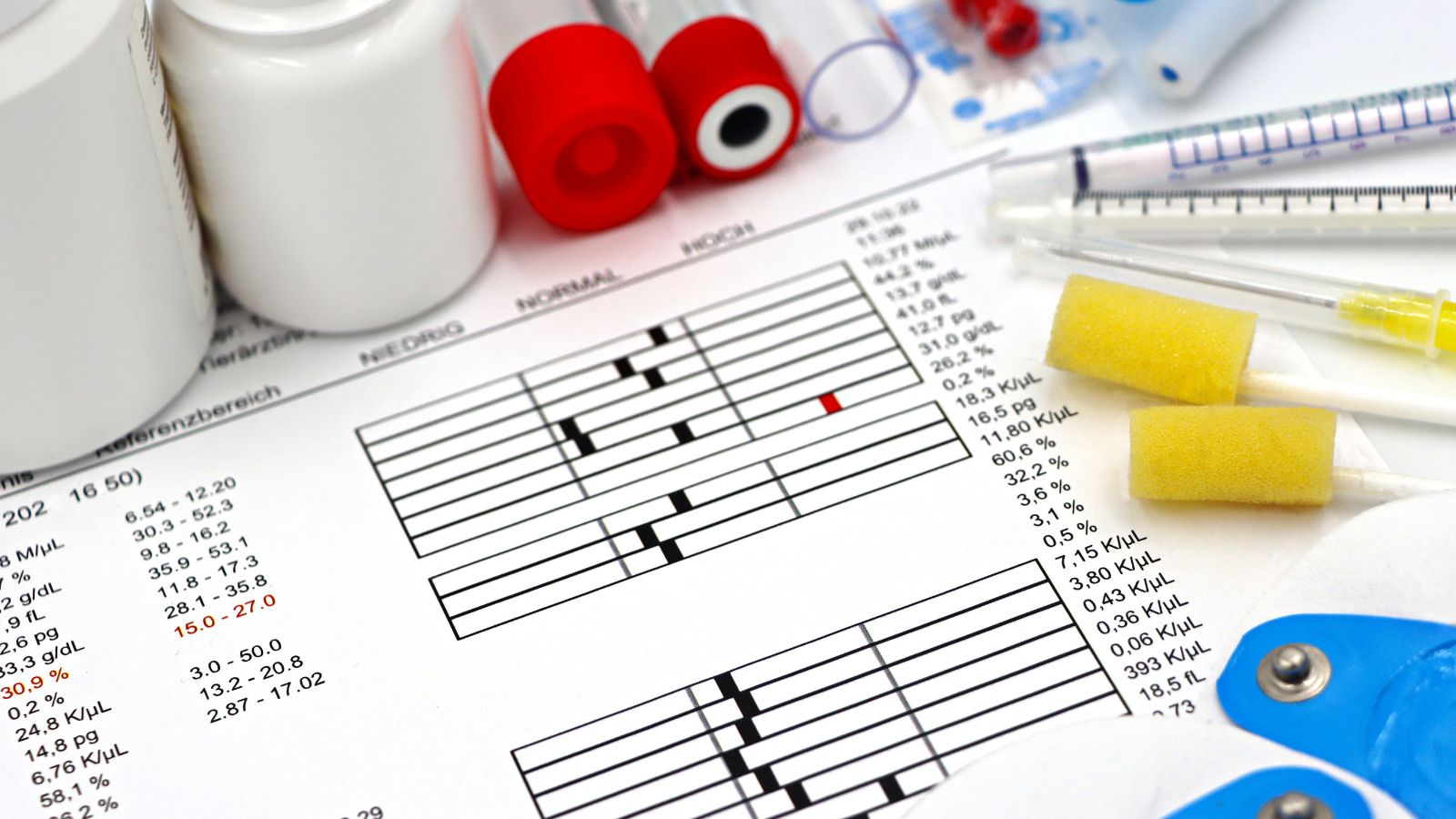 A borderline blood test result may not indicate an illness but could signal an early metabolic change that needs monitoring. (Image Source: Pexels)
When does a borderline result warrant attention
Mann explains that a borderline result deserves attention when there are associated symptoms such as unexplained fatigue, weight changes, excessive thirst, hair loss, or numbness, and when there is a strong family history of diabetes, thyroid disorders, or cardiovascular disease.
However, she says that a borderline result should be interpreted in the context of age, symptoms, medications, lifestyle, medical history, and previous reports.
Sometimes repeating the test, pursuing additional investigations, or making lifestyle changes is enough.
“Supplements or medications should be started only when clinically indicated,” she adds.
Story continues below this ad
Early detection and timely intervention can prevent many chronic diseases.
DISCLAIMER: This article is based on information from the public domain and/or the experts we spoke to. Always consult your health practitioner before starting any routine.

Leave a Reply