
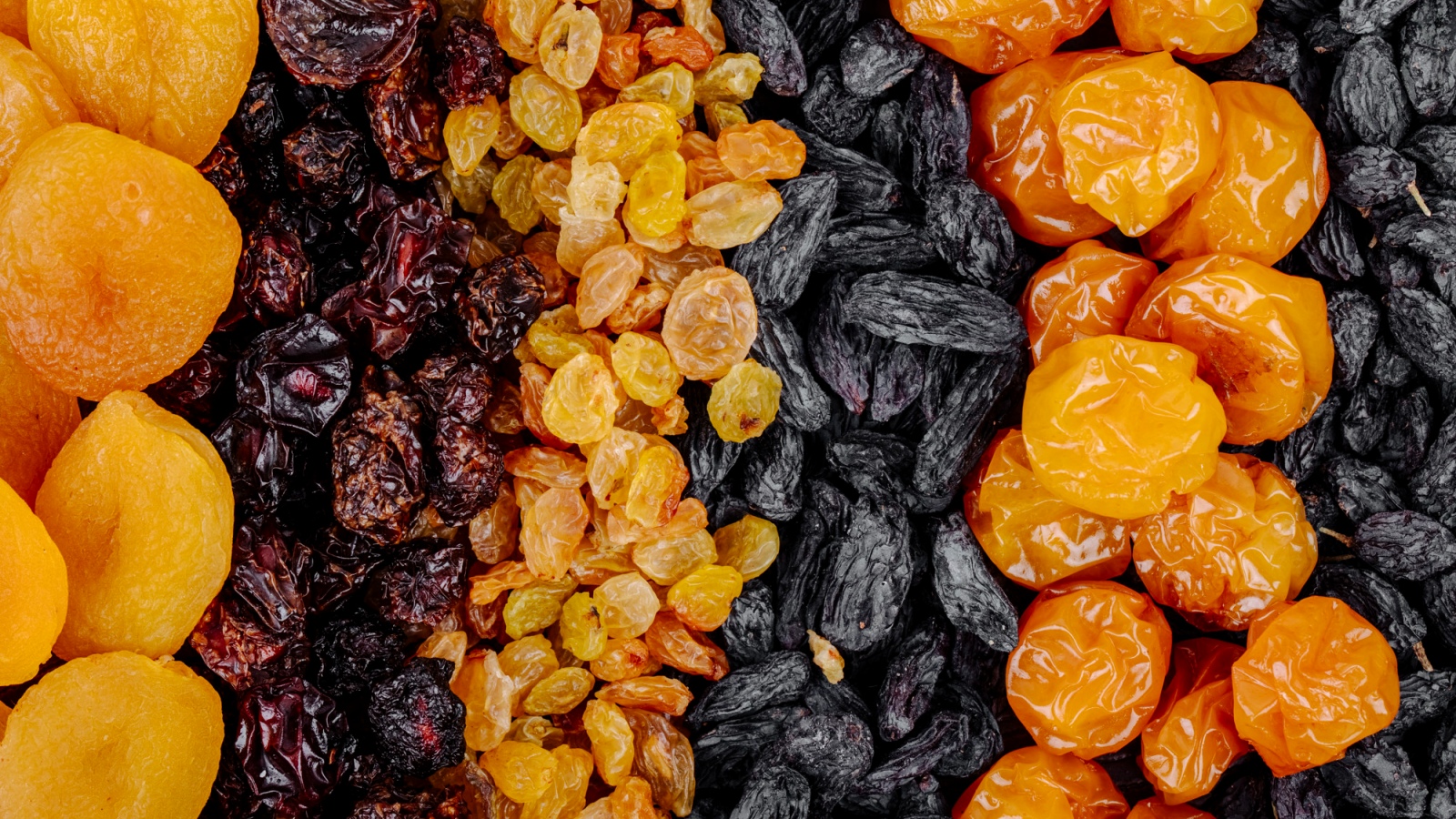
People with diabetes often wonder whether dried fruits such as black raisins and prunes are safe to eat, given their naturally occurring sugar content. While these fruits offer essential nutrients, their concentrated carbohydrates mean that portion sizes matter.
According to Dr Sukirti Misra, Consultant Endocrinologist, KIMS Hospitals, Thane, people with diabetes do not necessarily need to eliminate dried fruits from their diet, but they should account for their carbohydrate content.
DISCLAIMER: This article is based on information from the public domain and/or the experts we spoke to. Always consult your health practitioner before starting any routine.
“Yes, individuals who have diabetes may eat black raisins and prunes in moderate amounts. The issue does not lie with the fruit itself but with the high level of sugar and carbohydrates that results from the drying process,” says Dr Misra.
Black raisins are rich in natural sugars, while prunes, which are dried plums, contain carbohydrates alongside fibre and sorbitol, a naturally occurring sugar alcohol. Both can raise blood glucose levels, depending on the quantity consumed, an individual’s existing blood sugar control and the composition of the meal.
“Both fruits also provide useful nutrients, including potassium and antioxidants. Therefore, it is not necessary to avoid them altogether; portion control is important,” she adds.
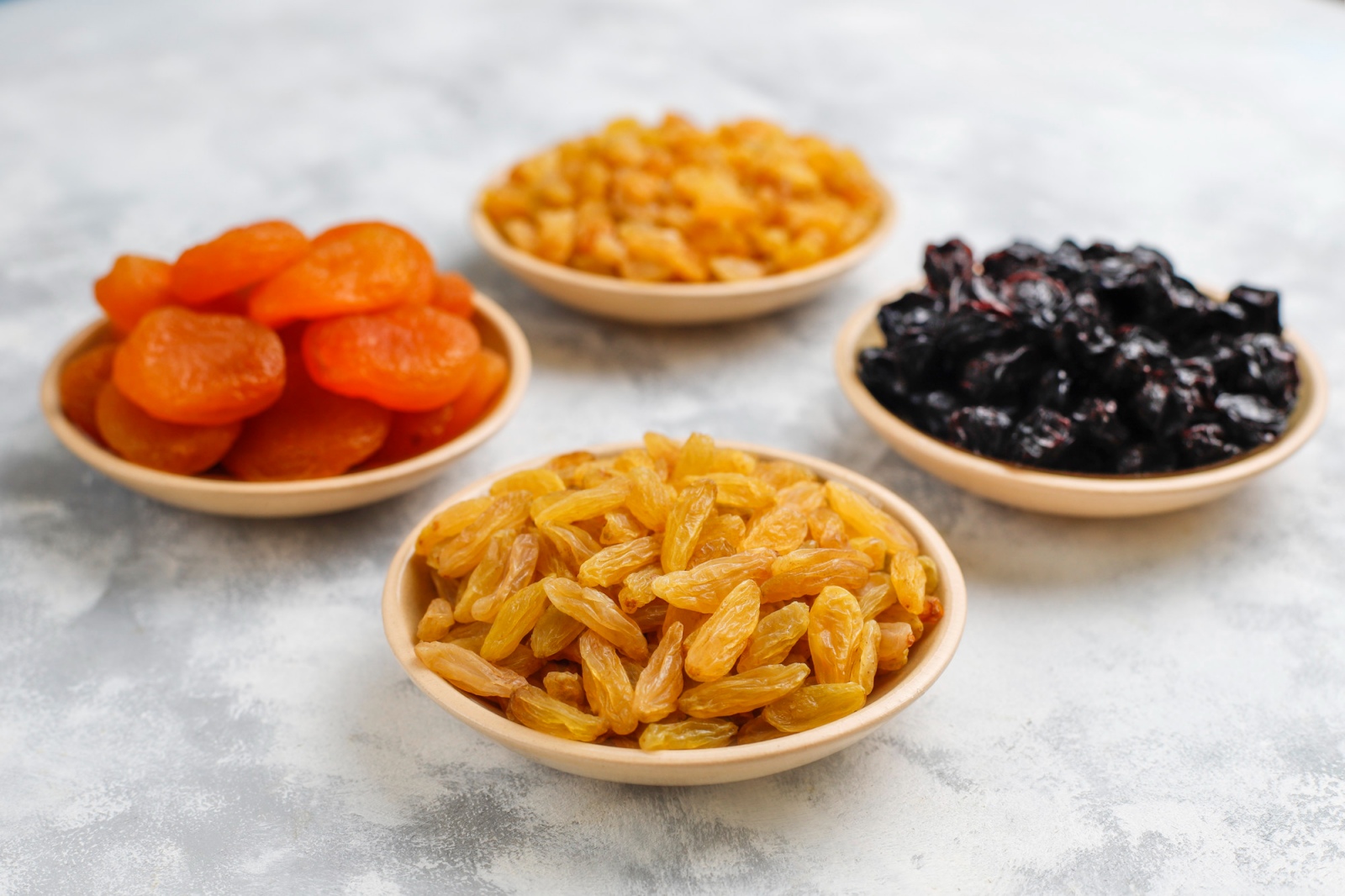 Are raisins good for diabetics? (Photo: Magnific)
What is a safe portion size?
Dr Misra recommends starting with approximately one tablespoon of black raisins (10–15 grams) or two to three small prunes. These quantities should count toward the person’s daily carbohydrate intake rather than being treated as an additional snack.
Story continues below this ad
Whether they can be eaten daily depends on individual glucose levels, medication, physical activity and overall dietary intake.
“Eating dried fruit as part of a balanced meal containing protein, healthy fats and fibre may help slow glucose absorption compared with eating it on its own,” she explains.
Although consuming dried fruit on an empty stomach is not inherently harmful, eating a large quantity at once may cause a sharper rise in blood glucose. Monitoring blood sugar after consumption can help individuals understand their response.
What precautions should diabetics take?
The first step is to watch portion sizes, as the small size of dried fruits can make it easy to overeat. Dr Misra advises choosing unsweetened varieties and checking labels for added sugar, syrups or coatings.
Story continues below this ad
“People with diabetes should account for the carbohydrates in dried fruits and monitor their blood glucose levels, particularly when introducing them into their regular diet,” she says. They should also avoid combining them with other high-sugar foods, such as sweetened cereals and desserts.
Those with poorly controlled diabetes or specific dietary restrictions should consult their endocrinologist or dietitian for individualised advice.
“The objective is not to remove fruit from the diet, but to incorporate it in a way that helps maintain steady blood sugar levels,” Dr Misra adds.
DISCLAIMER: This article is based on information from the public domain and/or the experts we spoke to. Always consult your health practitioner before starting any routine.

Leave a Reply