
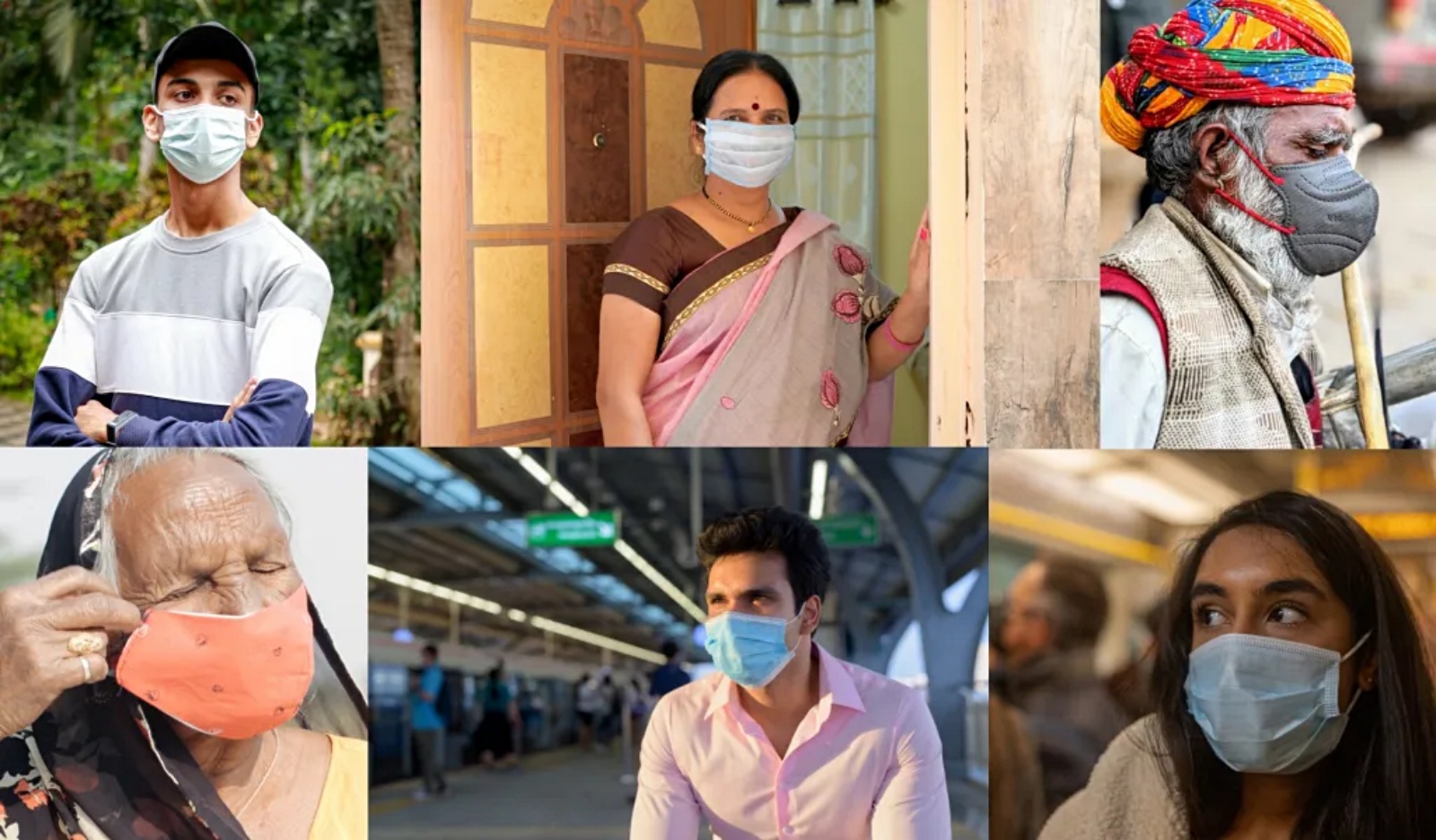
Anamika found herself asking this after a close family friend advised her not to tell anybody in her office about her tuberculosis (TB) diagnosis, except for HR and her immediate manager.
This is when it hit her like a brick. The 26-year-old embarrassingly admits that until now, even she had thought of TB as a deadly disease that only infected the “poor or unhygienic ones” in colonial times.
And now that she had been diagnosed with pulmonary tuberculosis herself, a truck of emotions hit her. Fear, guilt, embarrassment, helplessness – all that on top of chilling fevers, extreme lethargy, constant coughing and avalanche-like weight loss.
“Is it something shameful? Do I need to hide it from people? Are they going to start treating me differently just because I caught a disease that was beyond my control?” the young professional thought on a loop.
DISCLAIMER: This article is based on information from the public domain and/or the experts we spoke to. Always consult your health practitioner before starting any routine.
She followed the advice and kept it a secret – only for her coworkers to start accusing her of getting an unfair privilege of “working from home.” What was meant to protect her privacy left her dealing with another uncomfortable situation.
Story continues below this ad
Sadly, this isn’t just Anamika’s story. In an age of artificial intelligence, space exploration, Botox variations, and quick-commerce ambulances, a centuries-old stigma has persisted. Many people have these baseless assumptions about tuberculosis.
 “Grandmother asked me to hide it from my boyfriend else his mother would not let us marry 😂”
For Arachika Kapoor, her TB diagnosis came with clear matrimonial advice: “Do not tell your boyfriend”
When she was diagnosed with TB, Kapoor’s grandmother feared that if her boyfriend’s mother found out, she might not let them marry.
“She said if my kids get it later on, then I will be blamed for it my entire life,” Kapoor, laughing, recalls, adding that the advice came with other obviouses – “Stuff like I should not tell people or I will be judged, etc”
Thankfully, her then-boyfriend— and now husband — did not give in to this stone age thinking.
Story continues below this ad
Discrimination from a few ‘friends’
Not every response to TB comes as a direct warning to hide the diagnosis. Sometimes, the unease shows up in less obvious ways: people behaving slightly differently without being directly hurtful, or having to say it’s okay when your childhood friends can’t hang out with you because their parents aren’t comfortable.
For Prachi Kumari, a PR professional diagnosed with pulmonary TB in 2022, the hurt was more direct. Some of her college friends began keeping their distance.
Prachi was in her second year of college when she suddenly struggled to breathe after returning home. Her friends took her to the hospital. The illness severely affected her left lung and forced her to put college life on hold.
“No, I never felt ashamed of having TB. I saw it as a health problem that needed treatment, and my main concern was getting better,” she says.
Story continues below this ad
But some friends who usually sat with her began keeping their distance or asked her not to sit near them.
 “There were times when they asked me not to sit near them, and honestly, that did hurt.”
“There were times when they asked me not to sit near them, and honestly, that did hurt. I was already trying to understand what was happening to my health, and dealing with such behaviour made things more difficult,” she recalls with pain in her voice.
At the TB centre, she found a different atmosphere. Staff and other patients were friendly and approachable, asking about her symptoms, the type of TB she had and the difficulties she was facing. She felt comfortable speaking openly without being judged.
The contrast stayed with her. People she knew socially were pulling away, while people who understood the illness were willing to listen.
Story continues below this ad
“It’s less about compassion and more about, ‘Don’t get close to this person.’ A lot of it is a lack of understanding about the disease and how to treat TB and what’s the risk,” she says.
Prachi believes that people need to listen to patients instead of relying on assumptions. “Rather than listening to what health professionals tell you, people have got to listen to other people tell their stories. You have to have a proper discussion about TB,” she says.
‘It wasn’t even contagious and yet people hesitated’
 “I was non contagious, and cleared by my doctor, but still my office pushed me work from home, out of fear of contamination”
Lack of information caught up with Naveli Kamble, 28, too. “I had TB in a lymph node around my neck. It wasn’t even contagious,” Kamble recalls.
“My friend was looking at my pendant,” she says, “and that’s how I noticed something was wrong.” At the time, her father was recovering from a paralytic stroke, and she was frequently travelling to the hospital. She thought it was stress, or her tonsils, and even cancer at one stage.
Story continues below this ad
“Then I discovered that it’s not a fatty lymph node; it’s actually a watery lymph node,” followed by her official diagnosis.
Naveli wasn’t totally oblivious to tuberculosis. Her mother and some of her relatives have had it too. But the hush around it existed nevertheless.
“Even my parents were saying don’t disclose because it will hamper your surroundings because people might keep a distance towards you,” says Kambale while admitting that the advice left her confused because it wasn’t something to be ashamed of in her mind – although she ended up keeping it from her extended family at the time.
“In older days there was no treatment for this and people used to die of TB. Maybe that’s why they still think that a TB diagnosis is the end of the world and that TB patients should be avoided.”
Story continues below this ad
Like Anamika, she had the diagnosis spill over into her workplace too. Although she was initially allowed to work from home, her employers became too uncomfortable with the situation, and she quit.
‘We did not believe in this nonsense’
Not everyone, however, approaches a TB diagnosis with fear or secrecy. Viveka Nagar, who is currently caring for her ageing father, who is ailing from pulmonary TB, says her family treated the diagnosis as a medical condition that required care and precautions.
“He had been coughing for one to two months but was not tested during that period, out of medical negligence. When he developed a fever, tests were conducted, and he was diagnosed with advanced TB.”
He was admitted to hospital, where the doctor reassured the family that he would recover.
Story continues below this ad
“We have doctors in our family. We did not believe in this TB taboo nonsense. There was just one rule: my father stayed in a separate room. Anybody who entered his room needed to wear a mask. Upon leaving, we would throw away the mask, wash our hands properly, and sanitise.”
That being said, she acknowledges the taboo and recalls a caretaker in her family who had TB years ago. “Usko khoon ki ulti hoti thi…Log kehte the ki isse door raho.” (He used to puke blood.. people would suggest staying away from him)
Viveka remembers being frightened by the illness herself at the time. She says her understanding has changed since then. With her father, the family focused on caring for someone unwell. With the caretaker, she remembers people responding with fear and keeping their distance.
The difference is not whether precautions are needed. It is whether those precautions become a reason to treat the ill person as someone to be avoided.
Very often the stigma is also because people have seen too many mishandled TB cases. The bacterial infection requires patients to complete a proper course of medicines, along with good nutrition, and when that doesn’t happen, things get out of hand.
“When TB medicines are not taken regularly, or the full course is not completed, the bacteria causing TB are not completely killed. This allows some of them to survive and become resistant to standard drugs — a condition known as drug-resistant TB,” explains Dr Kashmira Jhala, consultant pulmonologist and international sleep disorder specialist, Apollo Hospitals, Ahmedabad.
In many such cases, people get stuck with worsening symptoms for years. For those who don’t know their indiscipline with the medication, they mistake it for the standard TB experience, adding to the stigma.
But why the stigma?
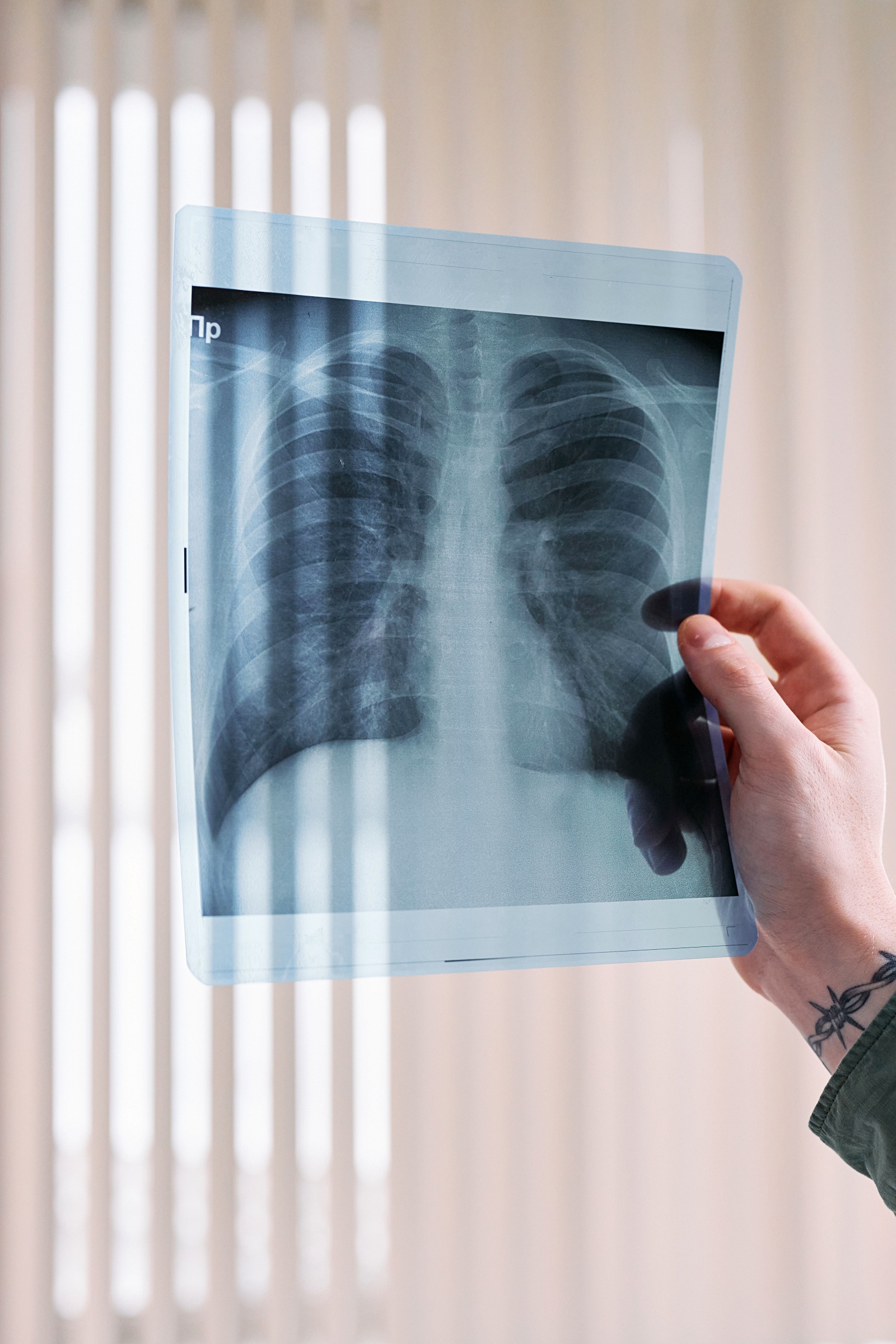 If a TB patient isn’t regular with their medicines, they could develop resistant TB, which is harder to treat
Dr Lancelot Mark Pinto, consultant pulmonologist and epidemiologist at P.D. Hinduja Hospital and Medical Research Centre, Mumbai, says stigma surrounding TB persists across socio-economic groups.
“There is a huge stigma associated with the diagnosis of tuberculosis,” he tells indianexpress.com. “Most patients, when told that they have tuberculosis, go through a phase of denial, especially if they are from a higher socio-economic background.”
He says some people assume TB affects only those living in poverty.
“There is an assumption that tuberculosis can only happen to those who are impoverished, or from a lower socio-economic stratum of society.”
Dr Pinto adds that some people blame domestic workers, drivers and others from lower socio-economic backgrounds for their diagnosis, assuming TB could not otherwise affect them. Others fear being ostracised or excluded from social gatherings if their diagnosis becomes known.
Anamika recalls seeing a security guard at her TB centre being reprimanded by officials for being irregular. “He is the one who isn’t taking the medicine. Naturally, he will be contagious longer, and his symptoms will worsen. But when any judgmental people would know about his case, they’d automatically assume, “Oh, he is poor; that’s why he has TB.”
Rima Bhandekar, senior psychologist at Mpower Helpline, Aditya Birla Education Trust, echoes this, explaining that the diagnosis itself can shock patients and their families. The time needed to recover, alongside medication and the demands of work and personal responsibilities, can add to the emotional burden.
“Even if patients may be open about their condition, others around them might start distancing due to misinformation about the illness,” she says.
Bhandekar adds that people may fear losing their jobs, being rejected in relationships or becoming socially isolated. Some hide their diagnosis to avoid gossip, while others may delay seeking treatment or stop medication because of exhaustion and frustration.
This is what makes the advice to keep quiet so consequential. “This could lead to harmful consequences such as delaying seeking treatment, going to great lengths to prevent being gossiped about, lying about their diagnosis, or leaving their treatment midway due to sheer exhaustion and frustration.
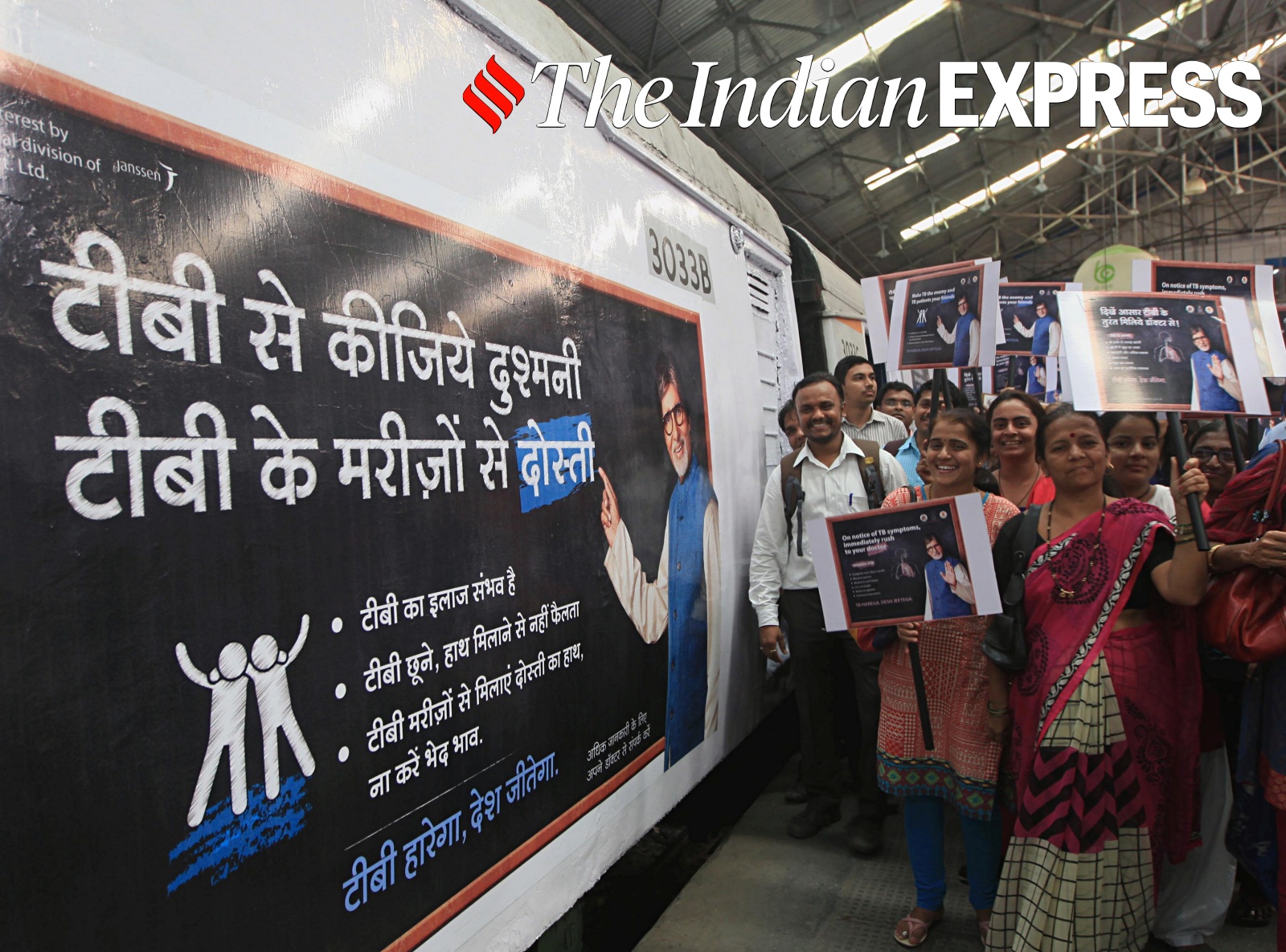 Awareness, compassion, and open conversation can help remove the shame and encourage more people to seek early and complete treatment : Psychologist Bhavika Shirodkar (Image: Express Archive)
Prachi knows this firsthand and believes support doesn’t require grand gestures. Sometimes, it means simply not treating someone as though a diagnosis has changed who they are.
“I would like people to know that a person with TB is the same person they have always been before they were diagnosed. They have friends, family, goals and commitments, like everyone else,” she says.
“You do not have to do anything too special for the person; sometimes just chatting normally and being considerate can make all the difference.”
For Anamika, the advice to keep her diagnosis private raised the fear that people might see her differently. Arachika worried the news could affect her marriage. Naveli wanted to return to work, while Prachi found that some friends no longer wanted to sit beside her.
Their experiences are different, but they point to the same uncomfortable question: why should telling people you have an illness make you worry about losing their acceptance? Why should a medical condition that is, in many cases, totally treatable be looked down upon? Why is a patient who needs love, support, and care treated with shame and hushing instead?
Maybe it is time we stop projecting our judgmental prejudices as a society, and start acting like rational people of a civilised society. Being diagnosed with a serious medical condition is not the end of the world, and neither should it be the end of your common sense and empathy.
‘Tuberculosis’ has been trending on Google for the past 24 hours.
DISCLAIMER: This article is based on information from the public domain and/or the experts we spoke to. Always consult your health practitioner before starting any routine.

Leave a Reply