
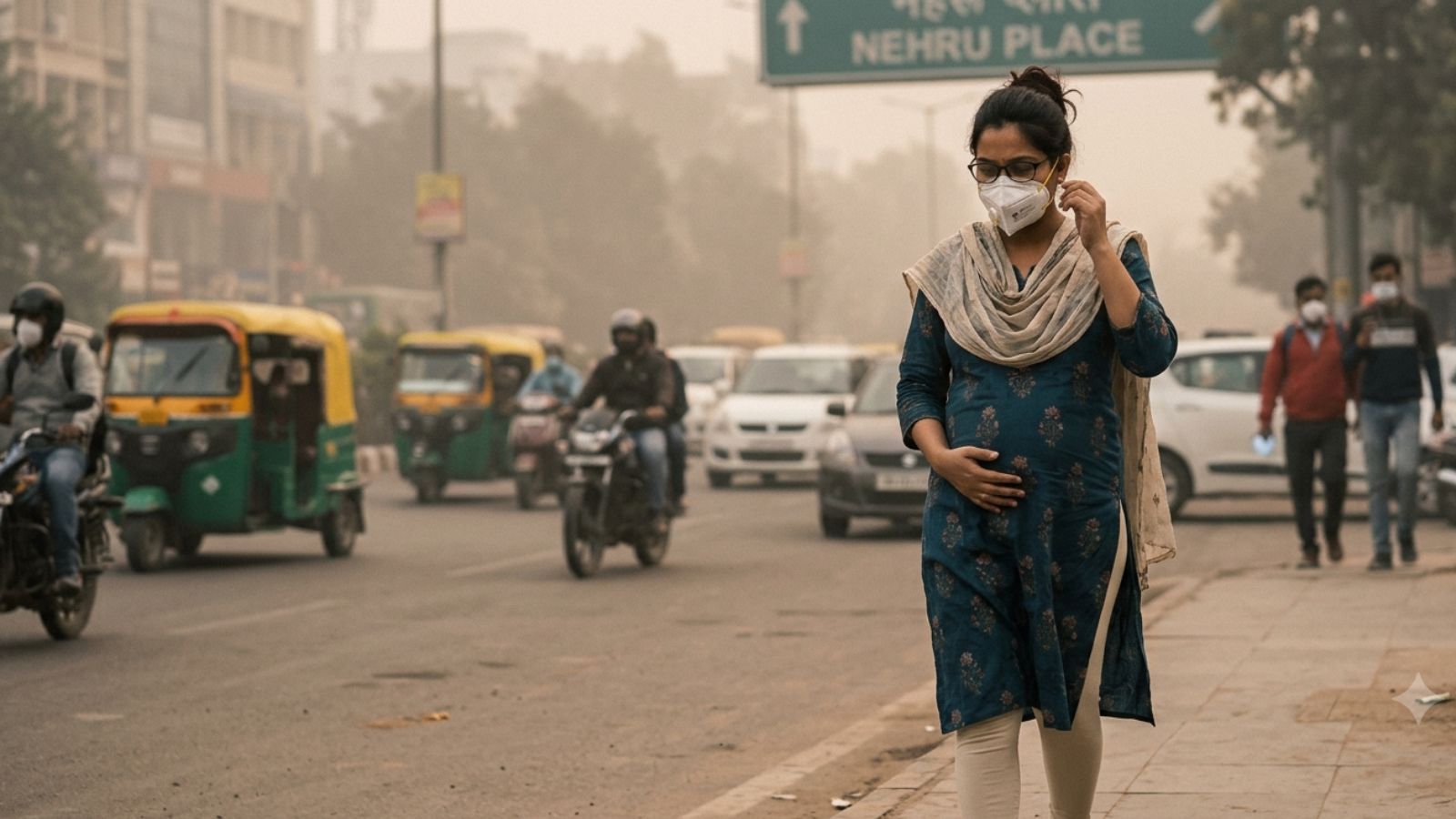
Delhi recorded a season-low minimum temperature of 16.2°C on Monday morning, while air quality reached the upper end of the moderate category. The Air Quality Index (AQI) stood at 178 at 10 am, according to the India Meteorological Department (IMD) and Central Pollution Control Board (CPCB). As air quality worsens, citizens should take preventive measures to protect their health.
Pregnant women should be especially cautious during periods of high air pollution, as exposure to fine particulate matter (PM2.5) and other harmful pollutants can irritate the airways, aggravate existing respiratory conditions, and affect overall maternal health.
Explaining this, Dr Harish Verma, Director, Pulmonology, ShardaCare – Healthcity says, “These particles can penetrate deep into the lungs and may enter the bloodstream, potentially contributing to inflammation and reduced oxygen delivery. Prolonged exposure to polluted air during pregnancy has also been associated with adverse outcomes, including an increased risk of preterm birth and low birth weight.”
DISCLAIMER: This article is based on information from the public domain and/or the experts we spoke to. Always consult your health practitioner before starting any routine.
What precautions should pregnant women take?
The first step is to minimise exposure, especially when pollution levels are high.
Dr Verma says, “Pregnant women should avoid outdoor walks, jogging and strenuous physical activity near busy roads or during peak pollution hours.”
Checking the daily Air Quality Index (AQI) before stepping outdoors can help them plan essential activities when conditions are relatively better.
Story continues below this ad
“If going outside is unavoidable, a well-fitting N95 mask can help reduce exposure to fine particles, although it does not eliminate all pollutants,” he adds.
However, most people usually overlook indoor air quality.
“Keeping windows and doors closed during periods of severe pollution, using a HEPA air purifier where feasible, and avoiding incense, mosquito coils, smoking and other sources of indoor smoke can help reduce exposure,” Dr Verma says.
He adds that along with these preventive measures, adequate hydration, a balanced diet and regular antenatal check-ups are also important for maintaining maternal health, although they cannot neutralise the effects of pollution.
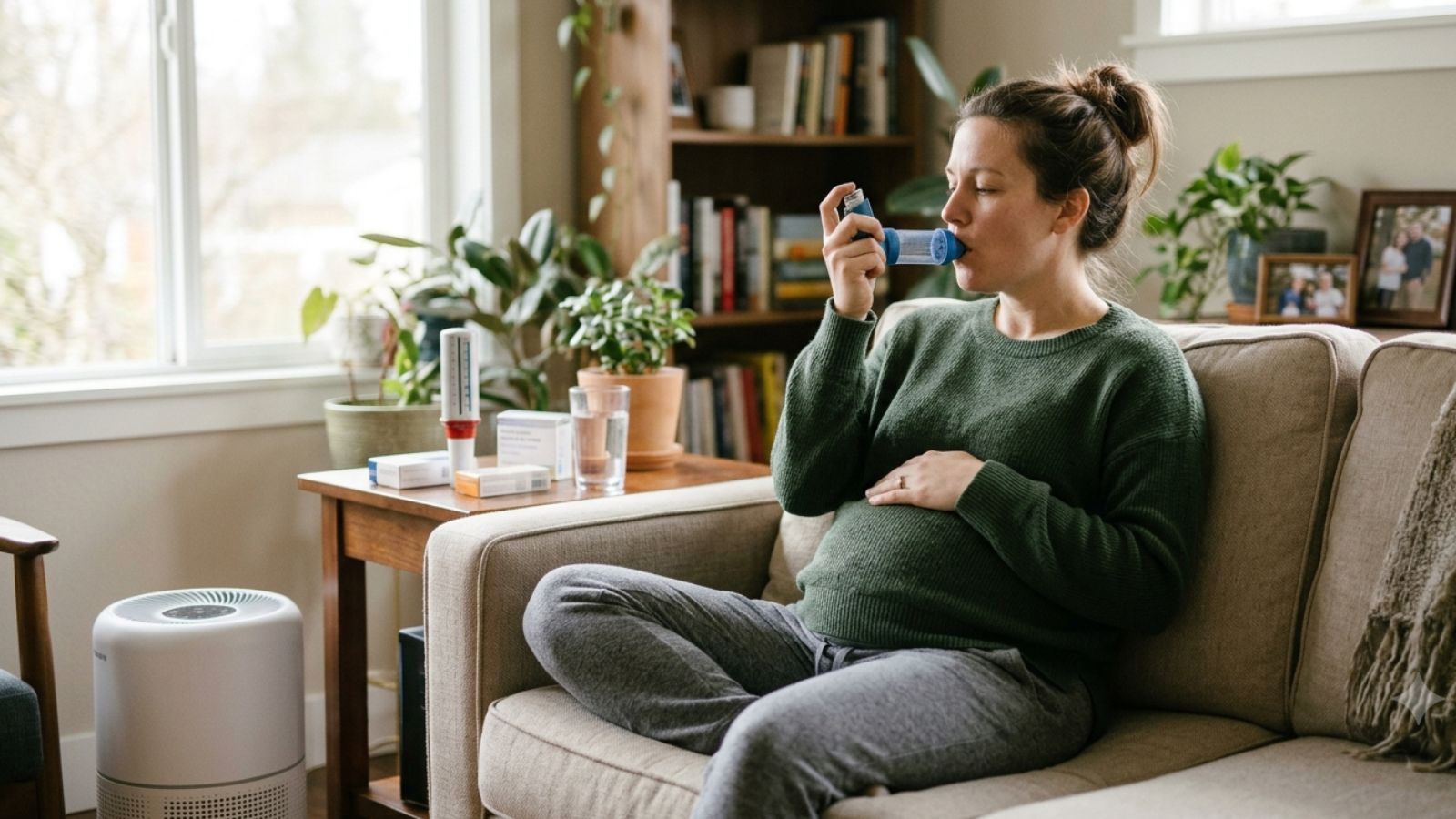 A HEPA air purifier and closed windows can help reduce exposure to indoor air pollutants during periods of poor air quality. (AI generated image)
What about women with respiratory conditions
“Women with asthma or other respiratory conditions should continue prescribed medication and consult their doctor if symptoms worsen,” advises Dr Verma, adding, “Persistent coughing, wheezing, chest tightness or breathlessness should not be ignored, while sudden or severe breathing difficulty requires urgent medical attention.”
Story continues below this ad
Pregnant women should not start medication or change existing treatment without medical advice. The aim is to reduce avoidable exposure while ensuring that both maternal respiratory health and the pregnancy are monitored appropriately.
DISCLAIMER: This article is based on information from the public domain and/or the experts we spoke to. Always consult your health practitioner before starting any routine.

Leave a Reply