
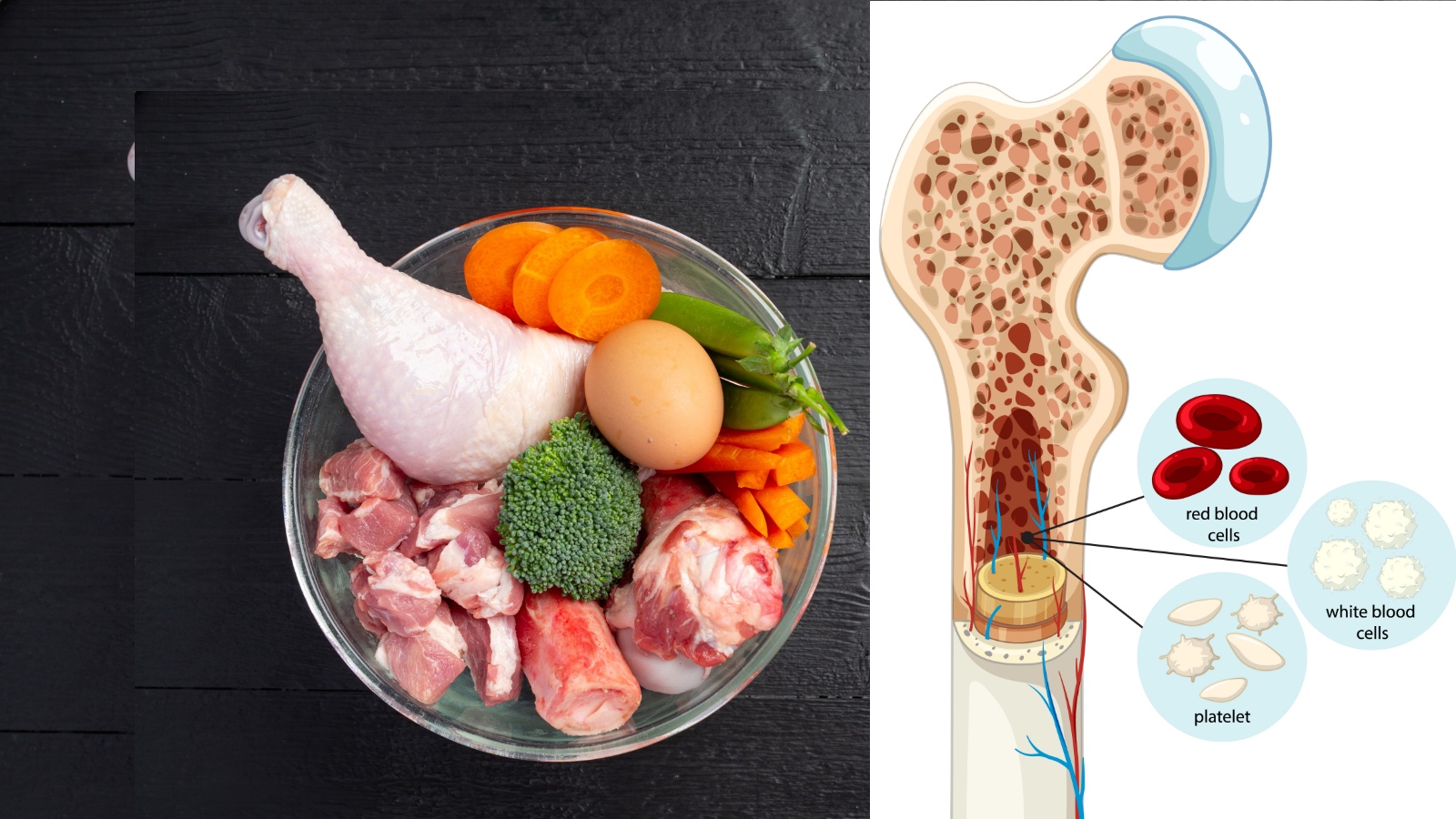
Protein is often associated with muscle growth, recovery and strength, but could consuming too much of it affect bone health? A common concern is that high protein intake increases calcium loss through urine, potentially weakening bones over time. However, the relationship between protein and bone health is more complex.
According to Dr Sarang Deshpande, Consultant Orthopaedics & Joint Replacement at KIMS Hospitals, Thane, a temporary increase in urinary calcium does not necessarily mean the body is losing calcium from its bones. Protein is essential for building the collagen framework of bones and maintaining muscle strength, which helps reduce the risk of falls.
“The problem arises when a high-protein diet is not balanced with adequate calcium, vitamin D and overall nutrition,” says Dr Deshpande. Bone health, therefore, depends on the quality and balance of the overall diet rather than protein intake alone.
DISCLAIMER: This article is based on information from the public domain and/or the experts we spoke to. Always consult your health practitioner before starting any routine.
Does too much protein cause calcium loss?
Dr Deshpande explains that protein plays an important role in maintaining the collagen structure of bones, which provides a framework for bone strength. It also helps preserve muscle mass and strength, both of which are important for balance and reducing the risk of falls, particularly as people age.
Rather than cutting down on protein unnecessarily, people should ensure that their diet supplies enough calcium and vitamin D. These nutrients support bone mineralisation and help maintain skeletal health. explains Dr Deshpande.
Does animal protein affect bones differently from plant protein?
“Animal and plant proteins are both capable of supporting bone health,” says Dr Deshpande. He recommends a varied diet rather than avoiding one category of protein-rich foods.
Story continues below this ad
The nutritional composition of these foods also matters. Dairy products provide calcium alongside protein, while plant-based protein sources often supply fibre and other nutrients. However, not every protein-rich food provides the same amounts of calcium or vitamin D.
The practical approach is to combine different protein sources with calcium-rich foods and ensure adequate vitamin D intake. People following vegetarian or vegan diets should pay particular attention to meeting their calcium and vitamin D requirements.
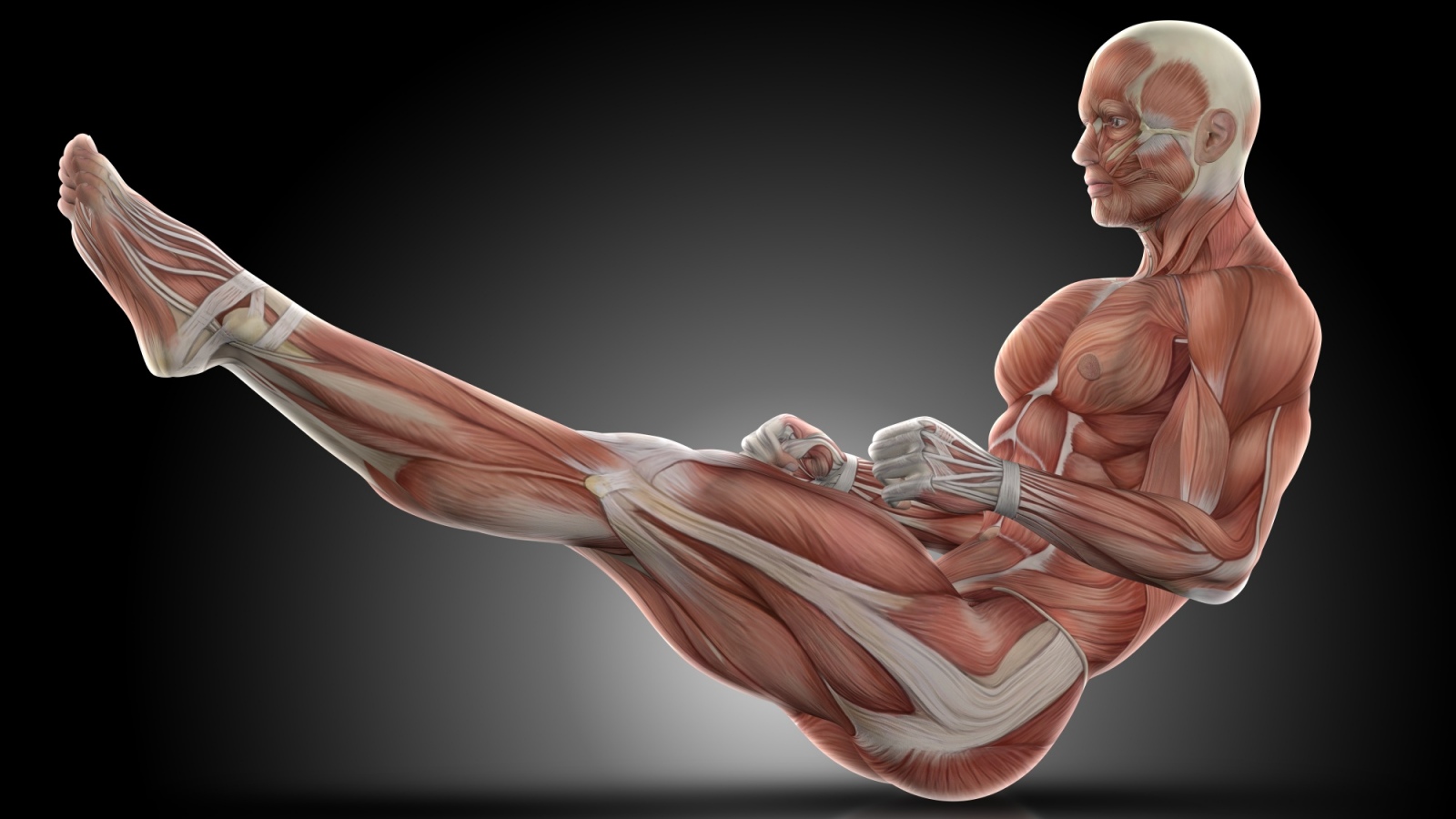 Can too much protein harm your bones? (Photo: Magnific)
How much protein should you consume daily?
For a generally healthy adult, a basic protein requirement is approximately 0.8 grams per kilogram of body weight per day. For instance, an adult weighing 60 kg would require around 48 grams of protein daily as a baseline.
However, individual requirements can vary depending on age, physical activity, health status and recovery needs.
Story continues below this ad
“Protein needs may be greater for older people, those who are physically active and individuals recovering from an illness,” says Dr Deshpande.
Who should be more careful about protein intake?
“For people at risk of osteoporosis, it is important to maintain a balanced diet with adequate protein, calcium and vitamin D, along with weight-bearing exercise,” says Dr Deshpande. He also advises those considering high-dose supplements to seek medical guidance, particularly if they have underlying health conditions.
DISCLAIMER: This article is based on information from the public domain and/or the experts we spoke to. Always consult your health practitioner before starting any routine.

Leave a Reply