
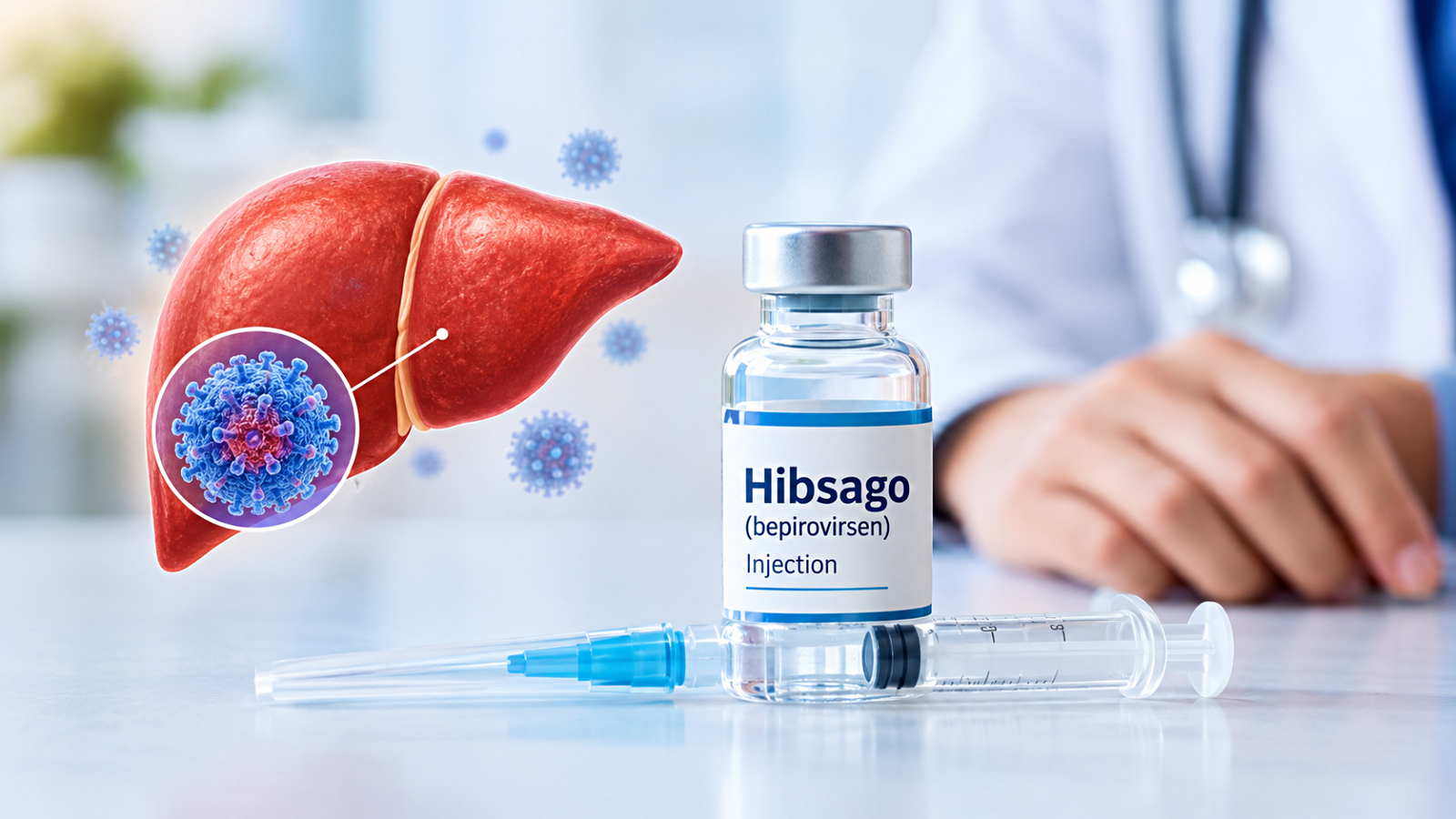
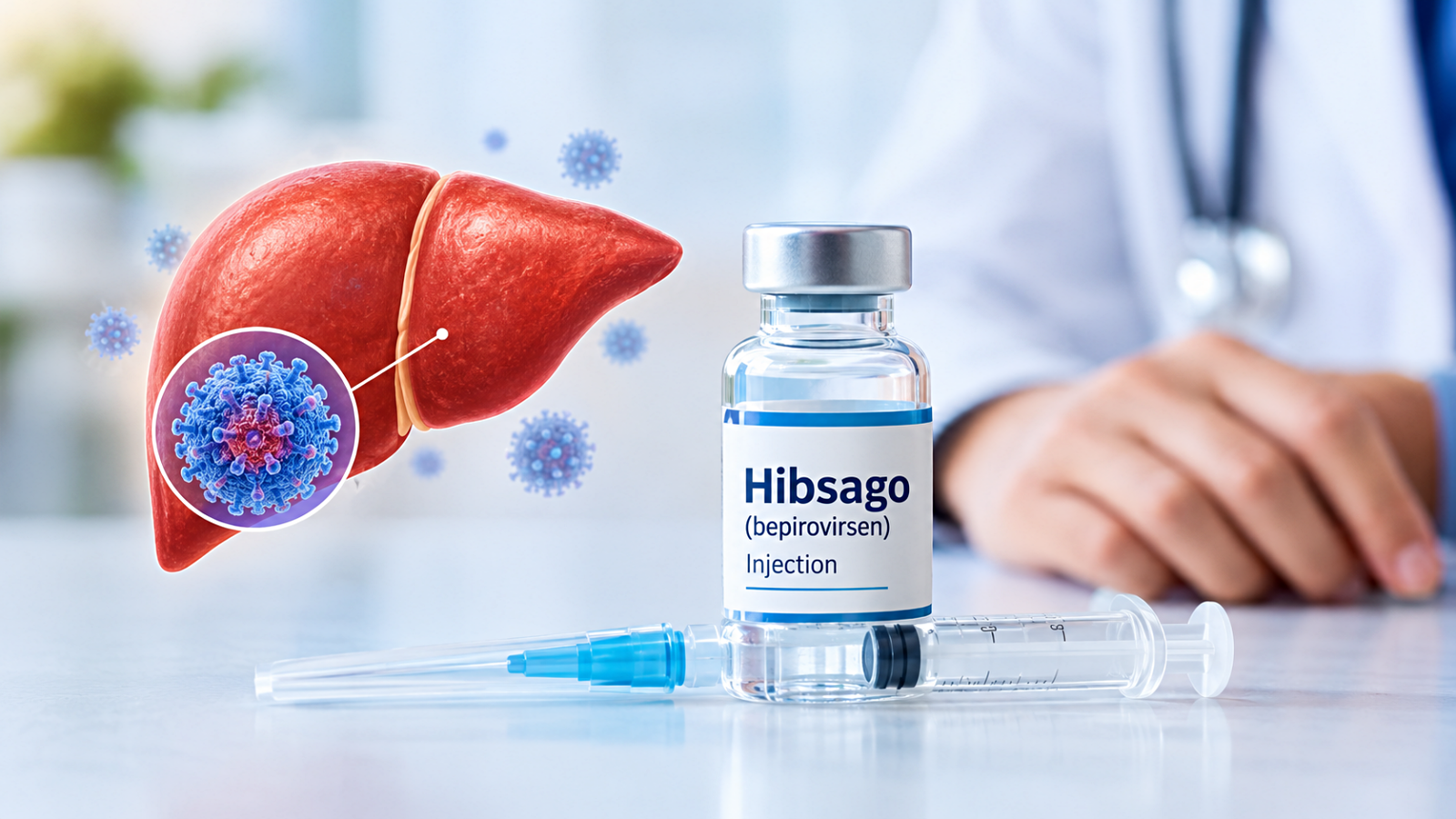
The US Food and Drug Administration (FDA) has approved a new treatment for certain adults with chronic hepatitis B, offering some patients the possibility of keeping the virus under control even after stopping all hepatitis B medicines.
The treatment, called Hibsago (bepirovirsen), was approved on October 20, 2026. It is given as an injection alongside existing antiviral medicines and is intended for eligible adults who do not have cirrhosis or advanced scarring of the liver.
Chronic hepatitis B is a long-term liver infection caused by the hepatitis B virus (HBV). Over time, it can lead to serious liver disease, including cirrhosis, and increase the risk of liver cancer. Many patients need antiviral medicines for years to keep the virus under control.
DISCLAIMER: This article is based on information from the public domain and/or the experts we spoke to. Always consult your health practitioner before starting any routine.
We reached out to Dr Ameet Mandot, Director of Hepatology at Gleneagles Hospital, Parel, to understand more about this new hepatitis treatment and how it could change the current medical approach towards the infection.
The hepatologist explains that Hibsago works by targeting the genetic instructions the virus uses to make copies of itself and produce viral proteins.
“Hibsago (bepirovirsen) is a new treatment for certain adults with chronic hepatitis B who do not have cirrhosis. It is the first approved antisense oligonucleotide for this infection and works by targeting the genetic instructions the virus uses to make copies of itself and produce viral proteins.”
Story continues below this ad
This helps reduce the amount of virus and hepatitis B surface antigen in the body. Hepatitis B surface antigen is a protein associated with the infection.
Hibsago is the first treatment of its kind, known as an antisense oligonucleotide, approved by the FDA for chronic hepatitis B.
Could patients stop taking their regular medicines?
FDA approved a new first-in-class treatment for certain adults with chronic hepatitis B virus (HBV) infection. https://t.co/PsuhuAgu66
For some patients, it may allow viral control even after stopping all HBV therapy, a major step forward for a disease that often requires lifelong treatment.
— FDA Drugs and Biologics (@FDADrugs) October 20, 2026
In two clinical trials, researchers compared Hibsago with a placebo, an inactive treatment. Patients received the injection for up to 24 weeks alongside existing hepatitis B medicines. Patients continued taking those medicines for at least 24 weeks after their last Hibsago injection.
Across the two trials, 24 per cent of patients who received Hibsago met the requirements to stop their existing medicines, compared with none in the placebo group.
Twenty-four weeks after stopping all hepatitis B treatment, 19 per cent of patients who had received Hibsago still had the virus under control, and hepatitis B surface antigen could no longer be detected in their blood.
Story continues below this ad
These findings are encouraging, but they do not mean that the virus has been completely eliminated from the body or that everyone can stop treatment.
“Hibsago offers some patients the possibility of achieving a functional cure, rather than simply suppressing the virus with ongoing medication,” Dr Mandot clarifies.
A functional cure means the infection may remain under control without ongoing treatment, even though the virus may not be “completely eliminated” from the body.
Dr Mandot added that long-term monitoring is necessary to understand how long this response lasts.
Story continues below this ad
“Some eligible patients may be able to stop their existing antiviral medicines after completing Hibsago treatment, provided they meet specific health and laboratory criteria,” the hepatologist notes, adding that patients in the trial continued their existing antiviral therapy after their last Hibsago injection.
“Stopping treatment must be decided by a specialist and followed by regular monitoring.”
Who can receive the treatment, and what are the risks?
Hibsago is approved for certain adults who do not have cirrhosis, have taken antiviral medicines for at least six months, and have suppressed levels of the virus in their blood. They must also have hepatitis B surface antigen levels of 3,000 IU/mL or less, confirmed through an FDA-authorised test.
“Not every patient with hepatitis B will qualify for this treatment,” Dr Mandot clarifies. A liver specialist must assess a patient’s liver health, blood test results and treatment history before deciding whether it is suitable.
Story continues below this ad
The treatment also carries important risks. Common side effects include reactions at the injection site, fever, fatigue and headache. More serious warnings include liver reactions and low platelet counts, which can increase the risk of potentially life-threatening bleeding. Other risks include worsening kidney function and serious inflammatory reactions such as vasculitis, a condition involving inflammation of blood vessels.
“Regular blood tests and medical follow-up are essential before and during treatment to identify complications early and ensure patient safety.”
As Dr Mandot notes, the new trial results represent a “promising new approach” for people who have traditionally needed long-term medication.
“However, it is important to remember that the treatment is intended for a specific group of patients and requires careful medical supervision. Its risks, eligibility criteria and follow-up requirements must be clearly understood before treatment begins. Patients should continue their prescribed medicines and never stop treatment without consulting their hepatologist,” Dr Mandot concludes.
Story continues below this ad
DISCLAIMER: This article is based on information from the public domain and/or the experts we spoke to. Always consult your health practitioner before starting any routine.

Leave a Reply