
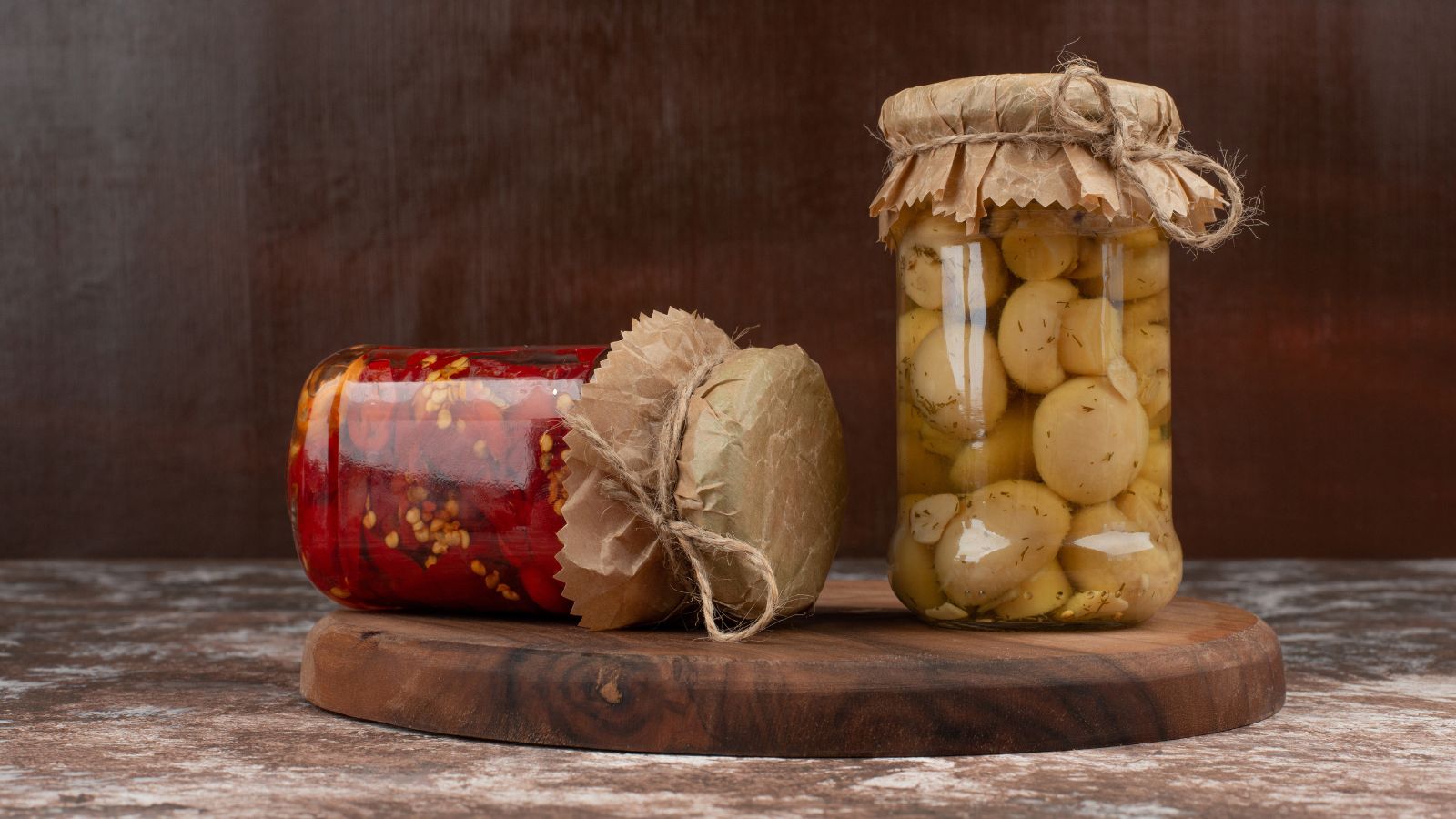
Homemade aachar, or pickle, is a traditional staple in Indian households, valued for its distinctive flavour and ability to complement everyday meals. But does being homemade make them spoil-proof? No, turns out that its shelf life depends on the ingredients used, preparation method, salt and oil content, acidity, moisture levels, and storage conditions. Let’s learn more.
Dietitian Umang Malhotra says that oil-based pickles, such as mango and chilli aachar, may remain usable for several months when prepared hygienically and stored correctly. Fermented or salt-based pickles also have varying shelf lives depending on their acidity and preservation method. Therefore, no single safe storage duration applies to every homemade pickle.
DISCLAIMER: This article is based on information from the public domain and/or the experts we spoke to. Always consult your health practitioner before starting any routine.
Salt, oil, and acidic ingredients such as vinegar help preserve pickles by limiting microbial growth under suitable conditions.
However, he says that a high salt or oil content does not make a pickle immune to spoilage.
“Over time, exposure to air, light, heat, and moisture can trigger oxidation, affecting the quality of the oil and causing changes in flavour, aroma, colour, and texture. Oxidation can also degrade certain sensitive nutrients. While spices such as turmeric and mustard contribute flavour and may contain antioxidant compounds, adding them does not guarantee food safety or prevent spoilage indefinitely,” he adds.
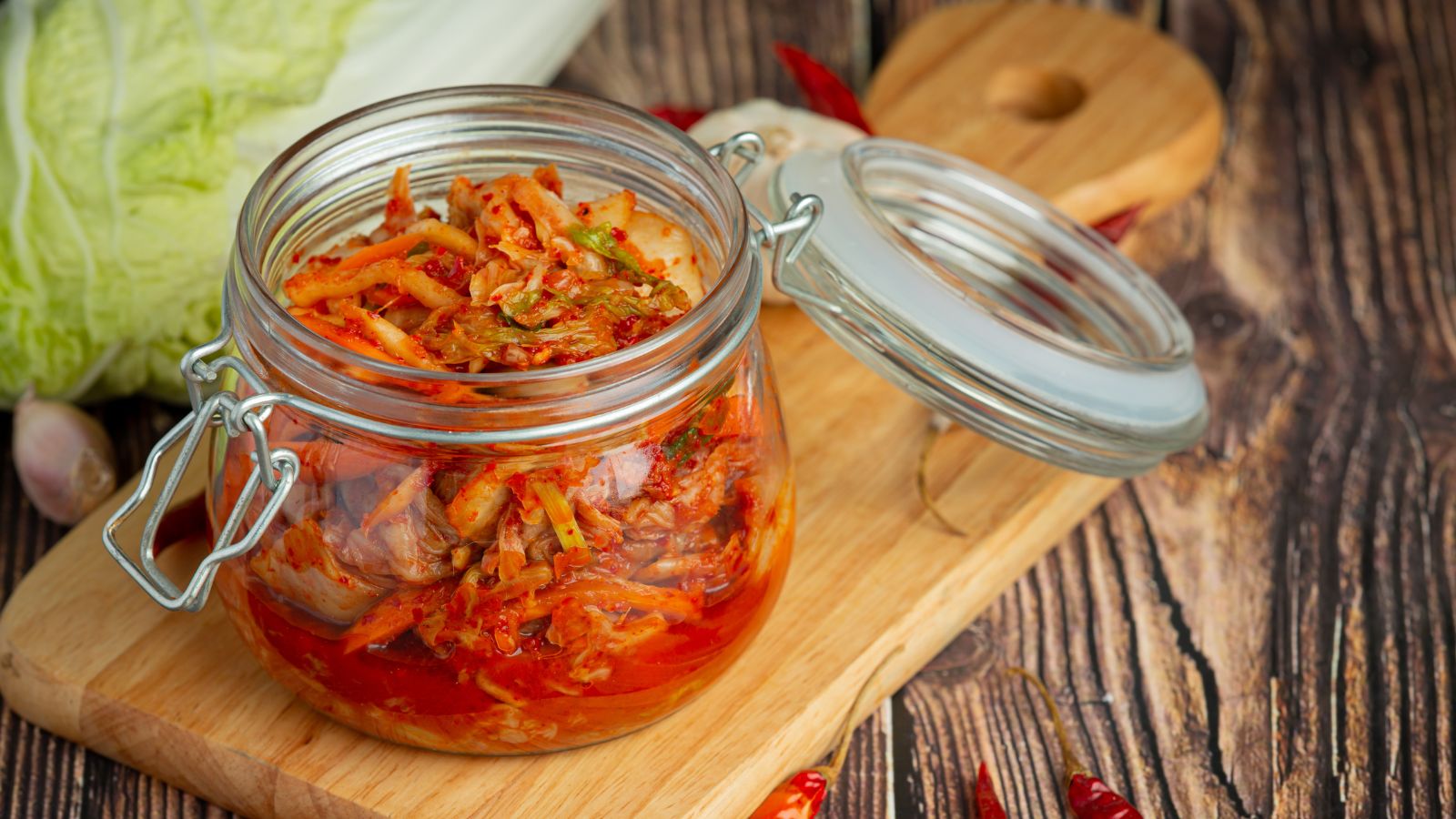 Homemade pickles can add flavour to everyday meals, but oil-rich varieties may contribute extra calories, while salt-heavy aachar can increase sodium intake. (Image Source: Freepik)
From a nutritional perspective, pickles can add flavour and variety to meals, but Malhotra warns that they are generally not a significant source of essential nutrients when consumed in small portions.
Story continues below this ad
“Oil-rich varieties can contribute additional calories, while salt-heavy pickles can increase sodium intake. Excess sodium may be particularly concerning for people with high blood pressure, kidney disease, or other conditions requiring sodium restriction. Oil quality and quantity also matter, especially when pickles are stored for prolonged periods,” he says.
The best approach is to enjoy homemade aachar in moderation, prepare it using a reliable recipe, and follow appropriate storage practices.
A small serving can enhance a meal, but freshness, hygiene, and portion control remain essential for safe and balanced consumption.
DISCLAIMER: This article is based on information from the public domain and/or the experts we spoke to. Always consult your health practitioner before starting any routine.

Leave a Reply