

When you check your blood pressure and see a reading of 122/62, you might wonder whether the lower number is too low or if you should worry.
An internet user recently raised a similar question on Quora: ‘Is a blood pressure of 122/62 good?’
We reached out to Dr Aseem Dhall, Director and HOD, Cardiac Sciences, ISIC Multispeciality Hospital, seeking answers.
DISCLAIMER: This article is based on information from the public domain and/or the experts we spoke to. Always consult your health practitioner before starting any routine.
“A blood pressure reading of 122/62 mmHg is generally reassuring for most adults, especially if there are no symptoms,” Dr Dhall tells indianexpress.com.
The cardiologist further explains that the upper number, which is 122 in this case, is “slightly above the ideal range”, while the lower number, 62, is usually acceptable.
But what are these numbers? The upper number, or systolic pressure, measures the pressure in the arteries when the heart pumps blood. The lower number, or diastolic pressure, measures the pressure when the heart relaxes between beats.
Story continues below this ad
“The difference between the two numbers is called pulse pressure. In a reading of 122/62, it is 60 mmHg. It reflects the change in pressure when the heart pumps blood and then relaxes.”
 Screenshot of the query posted on Quora
But isn’t the diastolic reading of 62 too low?
“A diastolic reading of 62 mmHg is not necessarily too low,” Dr Dhall assures while adding that blood pressure “below 90/60 mmHg” is commonly considered low.
That being said, symptoms and individual health natter as well.
Story continues below this ad
“If a person feels well, this reading usually does not require urgent treatment. However, repeated low readings accompanied by dizziness, weakness or fainting need medical assessment.”
What should you do immediately?
“If you feel well, there is generally no need to panic or take immediate action. Sit quietly for five minutes, keep your feet flat on the floor and repeat the measurement using a properly fitted cuff,” the cardiologist advises.
Dr Dhall further recommends avoiding talking during the test and recording the result and any symptoms. “Do not stop or change prescribed medicines without medical advice.”
“Repeated or unexplained symptoms should be evaluated by a doctor,” he further clarifies.
Story continues below this ad
Can the reading interpretation vary with age?
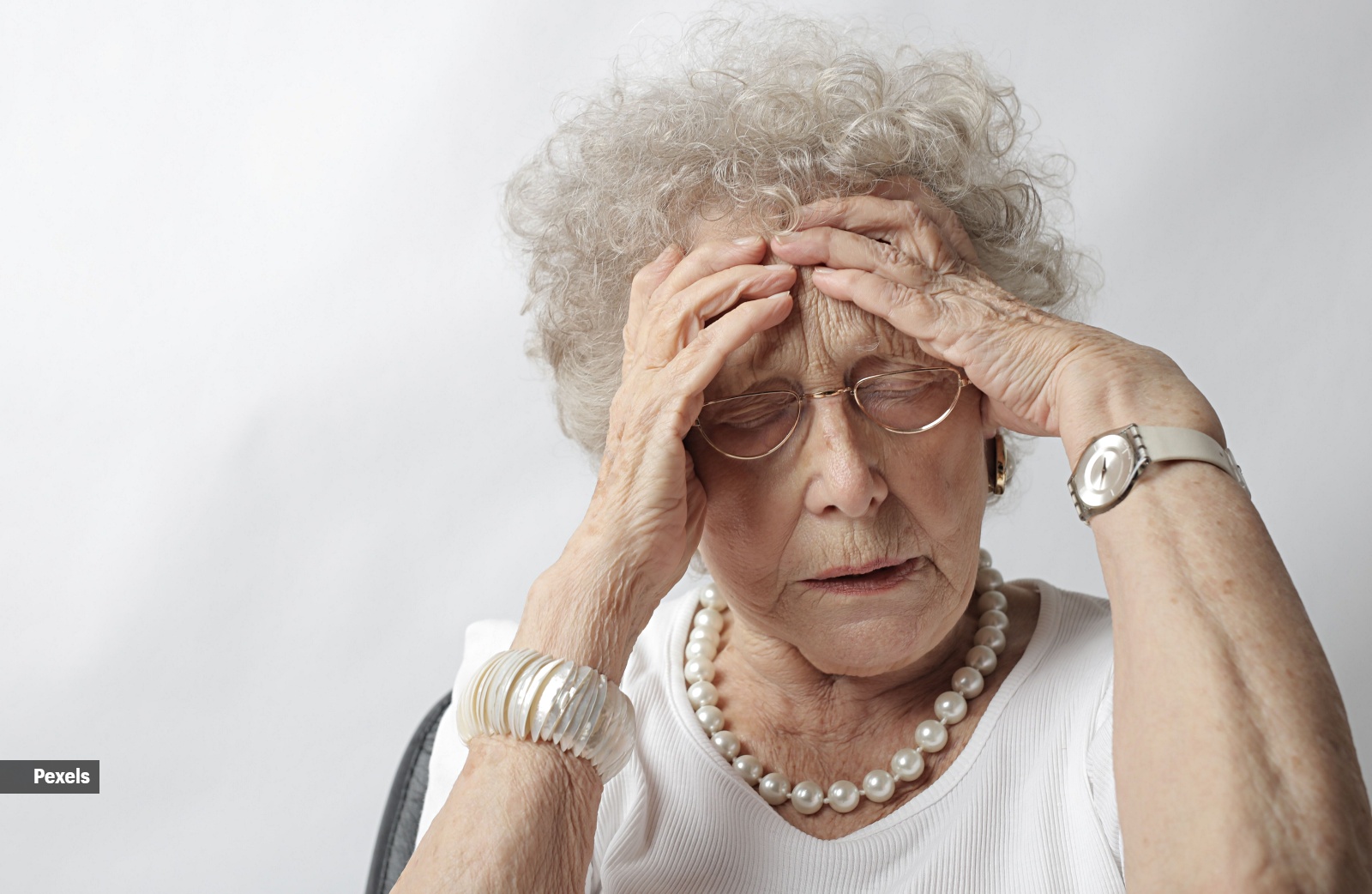 Older adults may have stiffer arteries, causing higher pulse pressure, a.k.a. a wider gap between the upper and lower numbers in the reading
Age, blood vessel flexibility and heart health can influence this difference, so it must be interpreted alongside other readings and medical findings.
“One reading alone cannot diagnose a problem. Your usual readings and overall health also matter.”
That being said, Dr Dhall explains that older adults may have “stiffer arteries”, causing a wider gap between the two numbers.
Story continues below this ad
Similarly, people with coronary artery disease, heart failure, or those taking blood pressure medicines should discuss persistent changes with their doctor, particularly if they experience symptoms or their readings differ from usual.
What should you do if your blood pressure is consistently 122/62?
If you feel well, you generally don’t need to panic. Sit quietly for five minutes before checking your blood pressure again. Keep your feet flat on the floor, use a properly fitted cuff and avoid talking during the measurement. Record your readings and any symptoms.
“If readings consistently remain around 122/62 mmHg and you feel well, they are generally not a cause for concern,” says Dr Dhall.
Story continues below this ad
However, consult your doctor if the lower number continues to fall, you experience repeated dizziness, fainting or unusual weakness, or your readings change persistently. Do not stop or adjust prescribed medication without medical advice.
DISCLAIMER: This article is based on information from the public domain and/or the experts we spoke to. Always consult your health practitioner before starting any routine.

Leave a Reply