
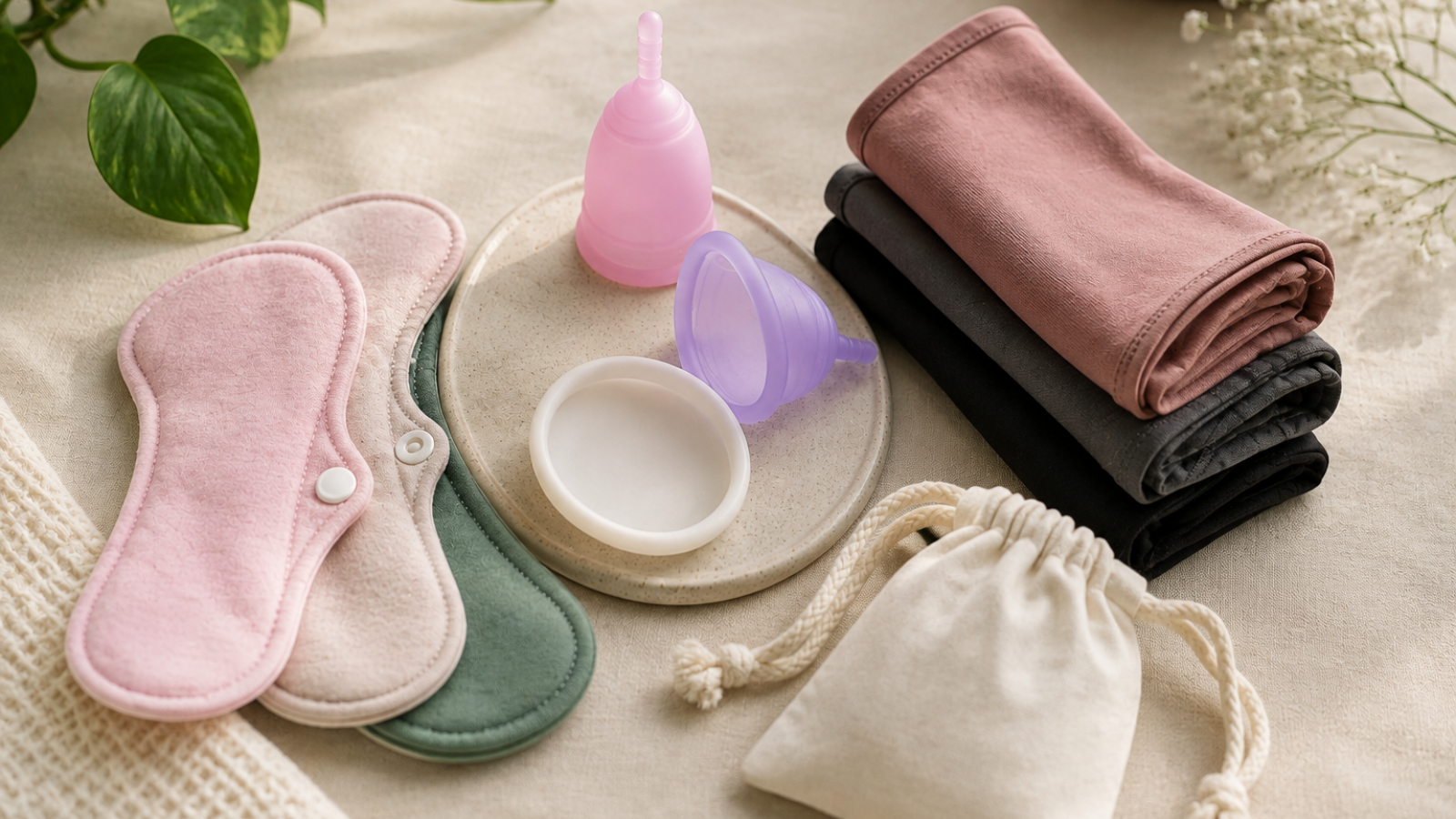
If you have ever looked at a menstrual cup, disc, or period underwear and thought, “Could I actually use this?”, you are not alone. For first-time users, the biggest hurdle is often not the product itself but figuring out how it works, how to care for it, and whether it will suit their routine. And so many products flooding the market only add to the overwhelm.
Sujata Pawar, Founder of Avni Wellness and Certified Functional Nutritionist, confirms the growing popularity and the ‘gradual shift’ in period product preference. That said, she clarifies that women have not completely moved away from disposable products yet.
“When we first talked to women about menstrual health, we found that many had never thought about other options. Today, women are asking more questions about materials, irritation, how long products last, cleaning, and whether they fit into their routines. Sustainability is one consideration, but comfort, skin sensitivity, convenience, cost, and menstrual health awareness also influence the decision,” she says.
DISCLAIMER: This article is based on information from the public domain and/or the experts we spoke to. Always consult your health practitioner before starting any routine.
First, know what you are choosing
Menstrual cups, discs, reusable pads and period underwear work differently, so there is no single reusable product that suits every woman.
“If you’re already comfortable with pads, starting with a reusable pad can be easier since the method is familiar. Just make sure you know how to wash, dry, and store it properly,” the entrepreneur and fitness expert recommends.
Period underwear can be an option for those who want more freedom of movement or do not want to use a conventional pad. However, users need to check the product’s absorbency and choose one appropriate for their flow, particularly on heavier days.
Story continues below this ad
Menstrual cups and discs are internal products and can require a learning period. With a cup, for example, a first-time user needs to become comfortable with insertion and removal, understand when it needs to be emptied, and learn how to clean and store it correctly.
“It’s normal to need some time to adjust, and you’re not doing anything wrong if it takes a while to feel comfortable,” Pawar says.
For someone unsure about making the switch, there is no need to go all in immediately. Pawar suggests trying a product at home, preferably on a lighter-flow day, before deciding whether to use it more regularly.
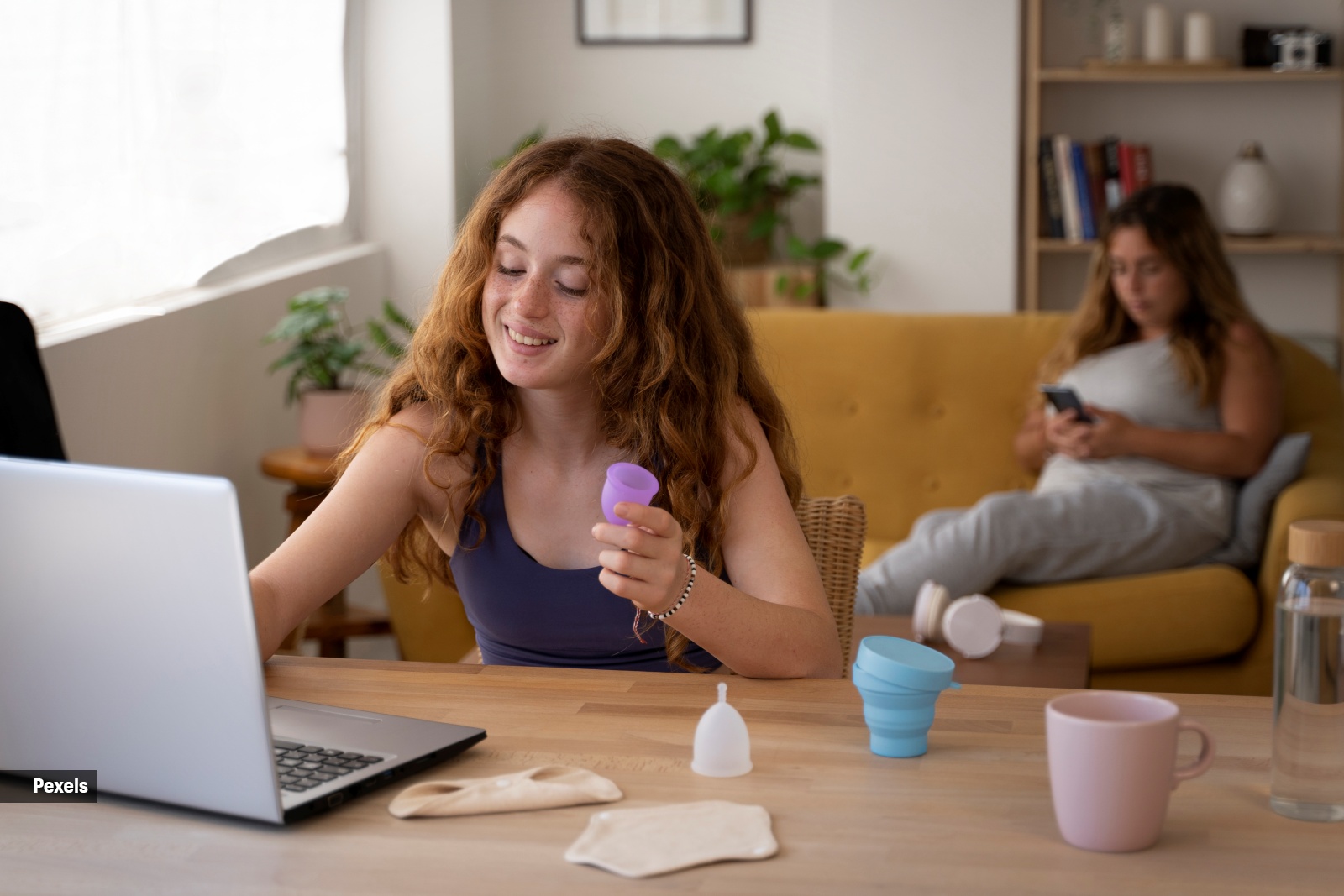 “You can try a new product at home on a lighter day, see how it works, and then decide if you want to use it more often”: Sujata Pawar
Is reusable really hygienic?
Hygiene is one of the biggest concerns among first-time users. However, the safety of a reusable period product depends largely on how it is made, used, cleaned, and stored.
Story continues below this ad
Dr Kiran Yadav, Senior Consultant – Obstetrics & Gynaecology, Motherhood Hospital Gurgaon, tells indianexpress.com that reusable period products can be safe for regular use if used correctly and maintained properly.
“First-time users should choose the right size and material, follow the manufacturer’s instructions and maintain good hygiene. Incorrect insertion, prolonged use or poor cleaning can increase the risk of irritation, discomfort or infection.”
For reusable pads and period underwear, Pawar recommends following the manufacturer’s washing instructions, ensuring the product is completely dry and storing it in a clean, dry place. A damp product should never be folded away for the next cycle.
Different products and materials may require different cleaning methods, so assuming that every reusable product can be washed in exactly the same way is another common mistake.
Story continues below this ad
As Dr Yadav suggests, for cups and discs, users should wash their hands before handling the product and clean and sterilise them as recommended by the manufacturer. They should also be emptied and cleaned according to their flow and the product’s instructions rather than being left in place simply because they are reusable.
“An additional mistake is wearing a reusable product for too long just because it’s reusable. You still need to change or empty it as needed, following your flow and the product’s instructions,” Pawar says.
What about leaks, irritation and infections?
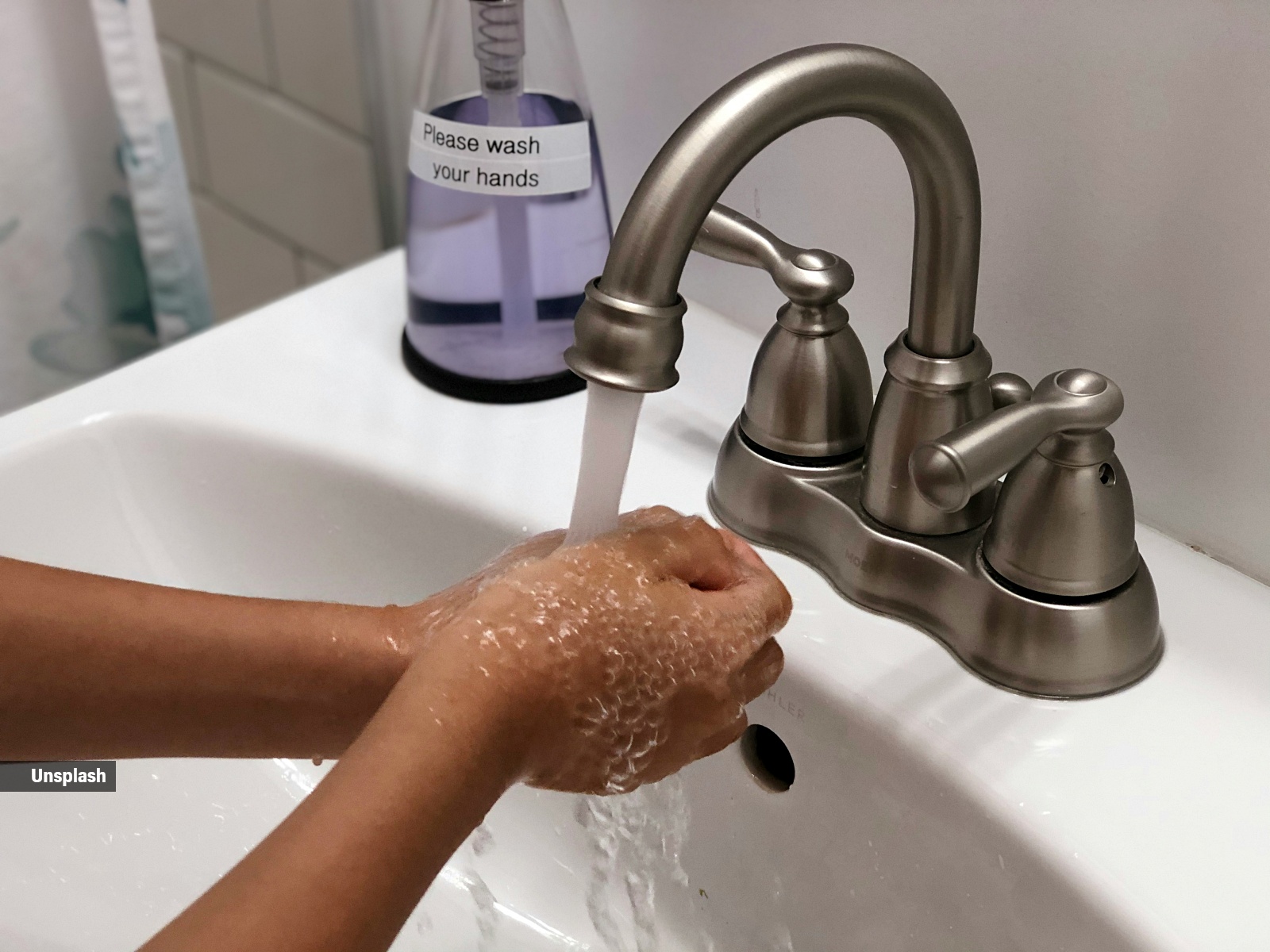 Dr Yadav recommends washing hands before handling reusable period products (Image: Unsplash)
Leakage is another major reason women hesitate to try reusable products, particularly when they are at work, travelling or away from home. The right size, fit and absorbency can make a difference, but first-time users may still need some trial and error.
Incorrect use can also cause discomfort or leakage. Dr Yadav says common mistakes include choosing the wrong size, inserting or removing a cup incorrectly, inadequate cleaning and wearing a product for too long.
Story continues below this ad
“These practices can cause leakage, pain, skin irritation or increase the risk of infection. Persistent discomfort or unusual symptoms should not be ignored,” she says.
Reusable products can also cause irritation or allergic reactions if the material is unsuitable or if someone reacts to detergents used during cleaning.
Watch out for persistent itching, burning, unusual discharge, foul odour, swelling, pain or fever. “If these symptoms occur, the product should be stopped and a gynaecologist consulted,” Dr Yadav recommends.
Pawar similarly advises women not to assume that persistent discomfort is simply part of adjusting to a new product.
Story continues below this ad
“If you have ongoing irritation, discomfort, unusual symptoms, or repeated problems, don’t just assume you need to get used to the product. Check if the product and your hygiene routine are right for you, and talk to a doctor if needed,” she says.
Who should be more cautious?
A reusable product may not be the right choice for everyone, or at least may require individual medical advice first.
“Women with recurrent infections, unexplained pelvic pain, very heavy bleeding or certain gynaecological conditions may need individual advice before choosing a reusable product. The product should be selected based on comfort, menstrual flow, anatomy and medical history,” Dr Yadav notes.
For everyone else, the simplest approach is to start with their own needs rather than what is trending. Consider your flow, whether you are comfortable with internal products, how often you travel, and whether you have access to facilities where reusable products can be properly washed and dried.
Story continues below this ad
DISCLAIMER: This article is based on information from the public domain and/or the experts we spoke to. Always consult your health practitioner before starting any routine.

Leave a Reply