
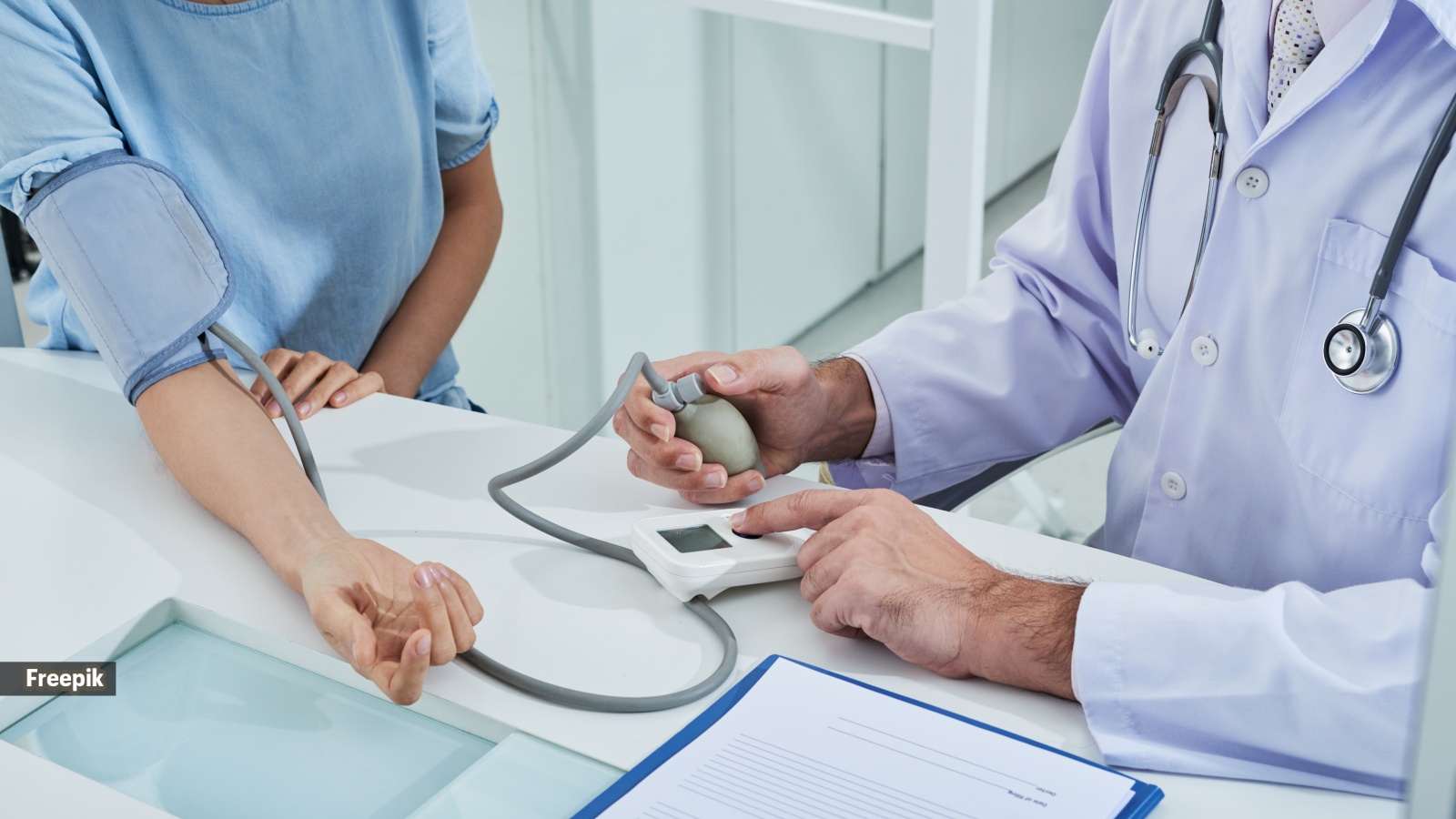
When you check your blood pressure and see a reading of 168/115 mmHg, you might wonder whether you are at risk of a stroke or heart attack, even if you feel perfectly fine. Should you seek medical help immediately, or wait to check your blood pressure again?
An internet user had similar concerns and posted his query on Quora: ‘Is (someone with) a blood pressure of 168/115 in danger of a stroke or heart attack?’
We reached out to Dr Aseem Dhall, Director and HOD, Cardiac Sciences, ISIC Multispeciality Hospital, to understand the risks associated with this reading and what someone should do next.
DISCLAIMER: This article is based on information from the public domain and/or the experts we spoke to. Always consult your health practitioner before starting any routine.
Can a blood pressure of 168/115 cause a stroke or heart attack?
The cardiologist confirms that a reading of 168/115 mmHg is “significantly high” and increases the risk of a heart attack, stroke and organ damage if it remains uncontrolled.
“However, the exact risk cannot be calculated from one reading alone,” he clarifies while explaining that age, diabetes, smoking, cholesterol levels and existing heart disease also influence a person’s overall risk.
“High blood pressure often has no noticeable symptoms, which is why it is called a silent condition,” Dr Dhall further points out.
Story continues below this ad
This means a person may feel completely normal despite having high blood pressure. A reading of 168/115 should not be ignored simply because there is no headache, dizziness or other obvious discomfort.
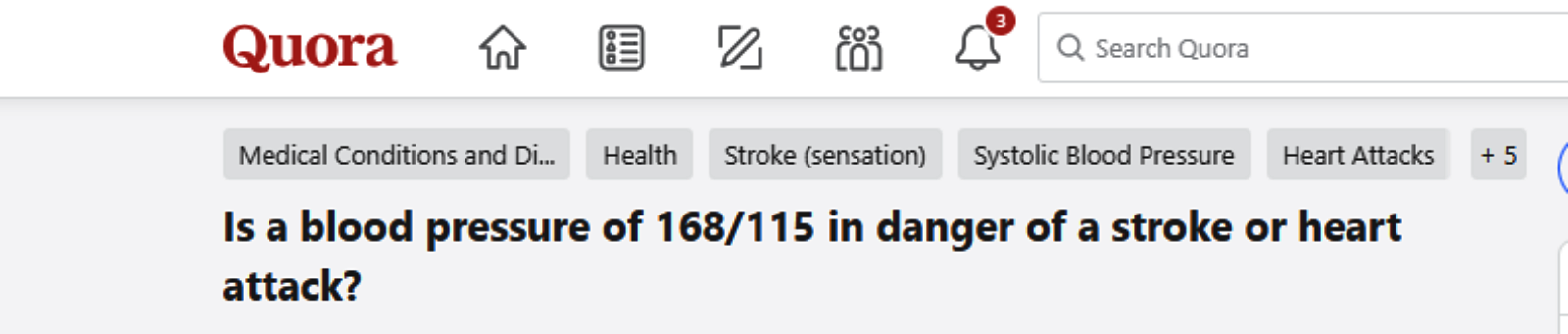 Screenshot of the query posted on Quora
What symptoms mean you need emergency medical help?
Certain symptoms alongside high blood pressure may indicate a medical emergency. These include:
– Chest pain or difficulty breathing
– A sudden, severe headache
– Weakness or numbness on one side of the body
– Difficulty speaking or confusion
– Sudden changes in vision
– Fainting
“If any of these occur, seek emergency medical help immediately, regardless of the blood pressure reading,” Dr Dhall strictly cautions. Do not wait for the blood pressure to rise further if any of these warning signs appear.
Story continues below this ad
What should you do if your blood pressure is 168/115?
“Do not panic, but take the reading seriously,” the cardiologist advises.
If you have no emergency symptoms, sit quietly in a comfortable position for five minutes before repeating the measurement. Keep your back supported and feet flat on the floor. Avoid exercise, smoking and caffeine before checking again.
If the repeat reading remains around 168/115 mmHg, contact a doctor for a same-day medical assessment, even if you feel well. Your doctor may need to review your medication and check for complications.
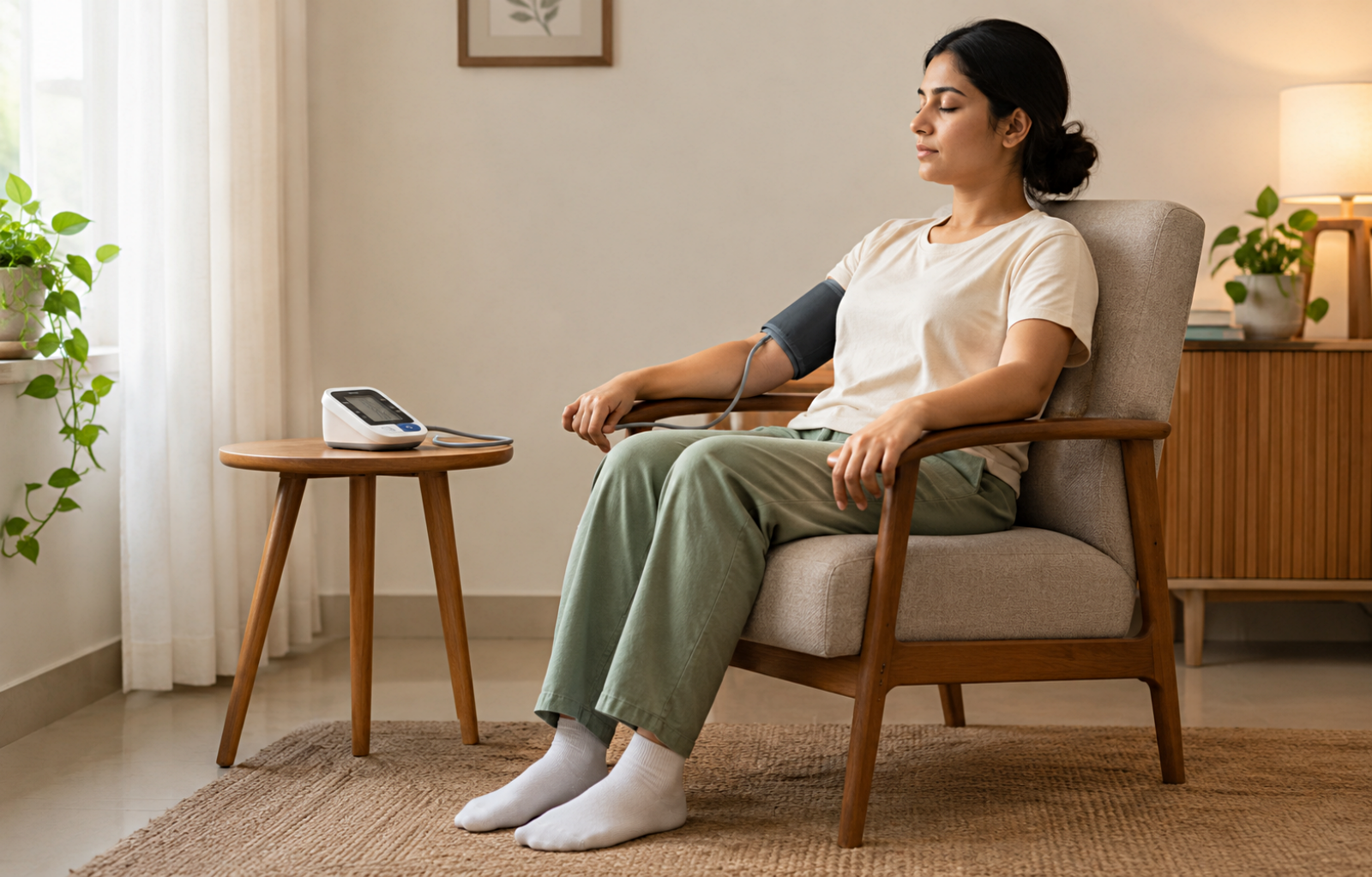 Immediately after the reading, Sit quietly in a comfortable position for 5 minutes, with your back supported and feet flat on the floor
“Avoid strenuous activity while arranging medical advice, and continue prescribed medicines as directed.”
Story continues below this ad
It is also important not to take any extra medication out of panic, unless specifically instructed by your doctor. “Do not double doses or try to lower blood pressure rapidly using home remedies. ”
Keep a record of your readings, medication and any symptoms to help your doctor assess your condition. ” Your doctor may need to review your medication and check for complications. ”
A single reading cannot predict whether a heart attack or stroke will occur, but persistently high blood pressure needs prompt medical attention. If you develop chest pain, difficulty breathing, weakness on one side, difficulty speaking or other severe warning signs, seek emergency care immediately rather than waiting for an appointment.
DISCLAIMER: This article is based on information from the public domain and/or the experts we spoke to. Always consult your health practitioner before starting any routine.

Leave a Reply